




The Synaptic Vesicle Quantifier: Unlocking Neurological Insights with the Human Synaptogyrin-1 (SYNGR1) ELISA Kit
What if a single protein, residing on the membrane of tiny synaptic vesicles, holds clues to unraveling the molecular chaos of schizophrenia, Alzheimer's disease, and other complex brain disorders? Synaptogyrin-1 (SYNGR1) is precisely such a protein. As an integral membrane component highly enriched in presynaptic vesicles, SYNGR1 is a pivotal player in regulating the synaptic vesicle cycle—governing their biogenesis, trafficking, and recycling—which is fundamental to neurotransmission and synaptic plasticity . Its genomic location on chromosome 22q13.1, a hotspot linked to neuropsychiatric conditions, further underscores its clinical significance . Dysregulation of SYNGR1 expression has been implicated in the pathophysiology of schizophrenia, where it is observed to be downregulated in the prefrontal cortex, and its expression is also altered in Alzheimer's-like pathology . Therefore, accurately measuring SYNGR1 protein levels is not just a biochemical assay; it's a direct window into synaptic integrity and a potential gateway for biomarker discovery and therapeutic development. The Human Synaptogyrin-1 (SYNGR1) ELISA Kit (KTE60417) from Abbkine provides neuroscientists with a highly sensitive, specific, and robust tool for the precise quantitative detection of SYNGR1 in complex samples like brain homogenates, cell lysates, serum, and plasma, enabling critical research into synaptic health and disease mechanisms.
SYNGR1: A Multifunctional Architect of the Synaptic Vesicle Lifecycle
Far from being a passive structural component, SYNGR1 is an active regulator embedded in the synaptic vesicle membrane. It belongs to the synaptogyrin family of tetraspan proteins and plays overlapping roles with proteins like synaptophysin in determining the characteristic small size of synaptic vesicles, a fundamental property for efficient neurotransmission . Functionally, SYNGR1 is involved in modulating intracellular calcium dynamics, interacting with other key synaptic proteins such as synaptophysin and synaptotagmin, and is crucial for regulating both short-term and long-term synaptic plasticity—the cellular basis of learning and memory . Its expression is particularly high in brain regions associated with cognitive and motor functions. Genetic and proteomic studies have consistently linked SYNGR1 abnormalities to a spectrum of neurological conditions, including schizophrenia, bipolar disorder, Alzheimer's disease, and Parkinson's disease, making it a protein of intense research interest .
The Critical Need for Precise Protein Quantification in Synaptic Research
Understanding the role of SYNGR1 in health and disease transitions from qualitative observation to quantitative science. While techniques like immunohistochemistry or Western blotting can show the presence and approximate location of SYNGR1, they often lack the precision, throughput, and absolute quantification needed for comparative studies, biomarker validation, or drug screening. Detecting subtle changes in SYNGR1 concentration across different disease stages, brain regions, or in response to pharmacological intervention requires a method that is both highly accurate and reproducible. An Enzyme-Linked Immunosorbent Assay (ELISA) specifically designed for human SYNGR1 fills this crucial gap, transforming synaptic protein research from descriptive to analytical.
Assay Principle: Sandwich ELISA for Uncompromised Specificity
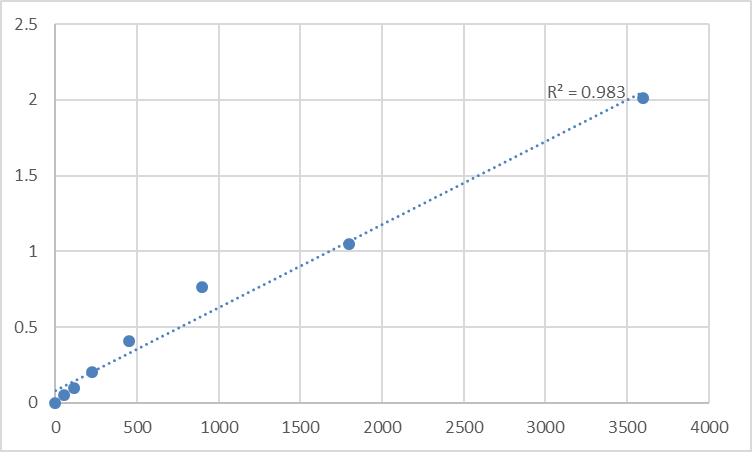
The Abbkine Human SYNGR1 ELISA Kit is based on a well-established sandwich ELISA format, engineered to minimize cross-reactivity and deliver reliable quantitative data. A microplate is pre-coated with a capture antibody specific for human SYNGR1. During incubation, the SYNGR1 antigen present in samples or standards binds to these immobilized antibodies. After washing away unbound substances, a biotin-conjugated detection antibody, directed against a different epitope on the SYNGR1 protein, is added to form an antibody-antigen-antibody "sandwich" complex. Following another wash, a Streptavidin-Horseradish Peroxidase (SA-HRP) conjugate is introduced, which binds with high affinity to the biotin. The final addition of a TMB substrate solution initiates an HRP-catalyzed reaction, producing a blue color directly proportional to the amount of captured SYNGR1. The reaction is stopped with acid, turning the solution yellow, and the absorbance is measured at 450 nm. A standard curve generated from known concentrations of recombinant human SYNGR1 allows for the precise interpolation of unknown sample concentrations .
Key Features and Performance Advantages
The Human Synaptogyrin-1 ELISA Kit (KTE60417) is designed to meet the rigorous demands of modern neuroscience research:
• High Sensitivity and Broad Dynamic Range: The assay can detect SYNGR1 at very low concentrations, typically with a detection range from pg/mL to ng/mL, enabling accurate measurement even in samples with low protein abundance like cerebrospinal fluid .
• Excellent Specificity: The carefully selected antibody pair ensures minimal cross-reactivity with other synaptogyrin family members or unrelated synaptic proteins, guaranteeing that the measured signal is specific to human SYNGR1.
• Superior Reproducibility: The kit demonstrates high precision with low intra-assay and inter-assay coefficients of variation (CV), ensuring consistent and reliable results across experiments and operators .
• Ready-to-Use Convenience: All necessary components—pre-coated plate, standards, detection antibodies, conjugates, buffers, and substrates—are provided in optimized, ready-to-use formats, saving valuable preparation time and reducing procedural errors.
• Streamlined Protocol: The user-friendly procedure involves simple sample addition, incubation, and wash steps, typically completed within 4-5 hours, allowing for high-throughput processing of multiple samples in a single day.
• Validated for Multiple Sample Types: The kit is suitable for quantifying SYNGR1 in a wide array of biologically relevant matrices, including serum, plasma, tissue homogenates (especially brain), cell culture supernatants, and cell lysates .
Diverse Applications in Cutting-Edge Neuroscience and Translational Medicine
- Neurodegenerative Disease Research: Quantify alterations in SYNGR1 levels in post-mortem brain tissues from Alzheimer's or Parkinson's disease patients, or in relevant animal models, to investigate its role in synaptic loss and cognitive decline .
- Psychiatric Disorder Biomarker Studies: Measure SYNGR1 concentration in patient-derived samples (e.g., iPSC-derived neurons, biofluids) to explore its potential as a biomarker for schizophrenia or bipolar disorder and correlate protein expression with clinical phenotypes .
- Fundamental Synaptic Biology: Investigate how SYNGR1 protein expression changes during neuronal development, in response to synaptic activity, or under various pharmacological manipulations in primary neuronal cultures or brain slices.
- Drug Discovery and Neurotoxicology: Utilize the kit as a quantitative endpoint in high-throughput screens to identify compounds that can modulate SYNGR1 expression or to assess the synaptic toxicity of new chemical entities.
- Validation of Omics Data: Provide orthogonal, protein-level validation for findings from transcriptomic (RNA-seq) or proteomic studies that indicate differential expression of the SYNGR1 gene.
- Genetic Model Characterization: Accurately assess SYNGR1 protein expression in knockout or knockdown cellular and animal models to confirm the efficacy of genetic manipulations at the functional protein level.
A Precise Tool for a Complex Field
In the quest to decode the synaptic underpinnings of brain function and dysfunction, reliable quantification of key players like SYNGR1 is indispensable. The Human Synaptogyrin-1 (SYNGR1) ELISA Kit from Abbkine delivers a trusted, high-performance solution that bridges the gap between genetic association, protein expression, and functional consequence. By offering exceptional sensitivity, specificity, and ease of use, it empowers researchers to generate robust, quantitative data on a protein central to synaptic vesicle biology and neurological disease. This kit is an essential resource for any laboratory dedicated to advancing our understanding of synaptic mechanisms and developing new strategies for neurological disorders.
Product Reference: KTE60417 – Human Synaptogyrin-1 (SYNGR1) ELISA Kit
Learn more and order: https://www.abbkine.com/product/human-synaptogyrin-1-syngr1-elisa-kit-kte60417/





