




The Enigmatic Synaptic Regulator: Quantifying Human Synaptogyrin-3 (SYNGR3) with Precision ELISA Technology
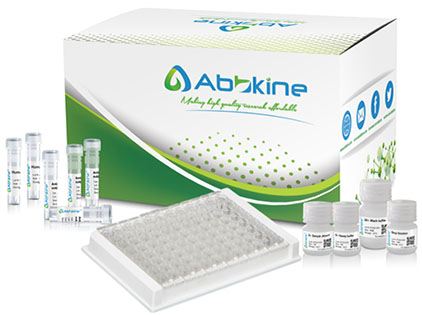
Amidst the well-known molecular machinery of the synapse—SNAREs, synaptotagmins, and synaptophysins—lies a family of integral membrane proteins whose functions are still being deciphered: the synaptogyrins. Synaptogyrin-3 (SYNGR3), a member of this family, is a 206-amino acid protein containing four transmembrane domains, predominantly expressed in the brain and placenta . While its exact physiological role remains less defined than its homolog SYNGR1, emerging evidence suggests SYNGR3 is not a mere bystander. It is implicated in modulating synaptic vesicle cycling, influencing neurotransmitter release dynamics, and potentially playing a role in neurodevelopmental processes . Its specific expression pattern hints at specialized functions in certain neuronal circuits or developmental stages. Quantifying SYNGR3 protein levels is therefore a critical step for researchers aiming to unravel its contribution to synaptic physiology and its potential dysregulation in neurological disorders. The Human Synaptogyrin-3 (SYNGR3) ELISA Kit (KTE60419) from Abbkine provides neuroscientists with a highly sensitive and specific tool for the accurate, quantitative detection of SYNGR3 in complex biological samples, bridging the gap from protein presence to measurable concentration.
Why Focus on SYNGR3? The Case for Targeted Protein Quantification
Understanding a protein's function often begins with the ability to measure it accurately. While techniques like Western blotting can confirm presence, they are semi-quantitative at best and lack the precision for detecting subtle changes across conditions or sample types. For a protein like SYNGR3, whose expression might be modulated in disease states, during development, or in response to pharmacological agents, a robust quantitative assay is indispensable. An Enzyme-Linked Immunosorbent Assay (ELISA) specifically designed for human SYNGR3 offers this capability, enabling researchers to perform comparative studies, validate omics data, and screen for biomarkers with confidence and reproducibility.
Assay Principle: The Robustness of a Sandwich ELISA
The Abbkine Human SYNGR3 ELISA Kit is based on a reliable two-site sandwich ELISA format, engineered for minimal cross-reactivity and high accuracy. A microplate is pre-coated with a capture antibody specific for human SYNGR3. During incubation, the SYNGR3 present in samples or standards binds to these immobilized antibodies. After washing, a biotin-conjugated detection antibody targeting a different epitope on the SYNGR3 protein is added, forming the characteristic "sandwich" complex. Following another wash step, a Streptavidin-Horseradish Peroxidase (SA-HRP) conjugate is introduced, binding to the biotin. The addition of a TMB substrate solution initiates an HRP-catalyzed colorimetric reaction, producing a blue color directly proportional to the amount of captured SYNGR3. The reaction is stopped with acid, turning the solution yellow, and the absorbance is measured at 450 nm. A standard curve generated from known concentrations of recombinant human SYNGR3 allows for precise quantification of unknown samples .
Key Features and Performance Specifications
Designed for reliability and ease of use, the SYNGR3 ELISA Kit delivers performance metrics essential for rigorous research:
• High Sensitivity and Defined Range: The assay exhibits a broad dynamic range, typically from 20 pg/mL to 320 pg/mL, with a low limit of detection (LOD) of 1.0 pg/mL, allowing for the detection of SYNGR3 even in samples with low abundance .
• Excellent Specificity: The antibody pair is selected for high specificity to human SYNGR3, minimizing cross-reactivity with other synaptogyrin family members or unrelated synaptic proteins, ensuring the signal is truly representative of the target .
• Superior Reproducibility: The kit demonstrates high precision, with intra-assay and inter-assay coefficients of variation (CV) typically below 6.7% and 8.8% respectively, guaranteeing consistent results across replicates and experimental runs .
• Ready-to-Use Convenience: All necessary components—pre-coated plate, standards, detection antibodies, conjugates, buffers, and substrates—are provided in optimized, ready-to-use formats, streamlining workflow and reducing preparation time.
• Broad Sample Compatibility: The kit is validated for use with a variety of biologically relevant matrices, including serum, plasma, cell culture supernatants, and tissue homogenates (particularly brain), offering great flexibility for diverse experimental designs .
• Stability and Reliability: The kit components are stable under recommended storage conditions, with a loss rate of less than 5% within the expiration date, ensuring reliable performance over time .
Diverse Applications in Neuroscience and Cell Biology Research
- Neurodevelopmental and Psychiatric Disorder Research: Investigate potential alterations in SYNGR3 expression levels in post-mortem brain tissues from subjects with schizophrenia, autism spectrum disorder, or other neuropsychiatric conditions to explore its role in disease etiology.
- Synaptic Biology and Plasticity Studies: Measure changes in SYNGR3 protein concentration in neuronal cultures or brain slices in response to synaptic activity, neurotrophic factors, or pharmacological agents to understand its regulation and function in synaptic plasticity.
- Biomarker Discovery Efforts: Quantify SYNGR3 levels in accessible biofluids like serum or plasma as a potential peripheral biomarker for neurological conditions, aiding in diagnosis or monitoring disease progression.
- Characterization of Genetic Models: Accurately assess SYNGR3 protein expression in knockout, knockdown, or transgenic cellular and animal models to confirm the efficacy of genetic manipulations at the protein level.
- Drug Discovery and Toxicology Screening: Utilize the kit as a quantitative readout in high-throughput screens to identify compounds that modulate SYNGR3 expression or to assess the impact of neurotoxicants on synaptic protein profiles.
- Validation of Transcriptomic/Proteomic Data: Provide orthogonal protein-level validation for findings from RNA sequencing or mass spectrometry studies that indicate differential expression of the SYNGR3 gene.
Illuminating the Unexplored Territories of Synaptic Function
The journey to fully understand the synaptic proteome requires tools that are as precise as the questions we ask. The Human Synaptogyrin-3 (SYNGR3) ELISA Kit from Abbkine is precisely such a tool. By enabling accurate, reproducible quantification of this enigmatic synaptic protein, it empowers researchers to move beyond qualitative observations and generate robust, quantitative data. Whether probing fundamental synaptic mechanisms, investigating disease pathology, or screening for novel therapeutics, this kit provides a reliable foundation for discoveries related to SYNGR3 and its role in the nervous system.
Product Reference: KTE60419 – Human Synaptogyrin-3 (SYNGR3) ELISA Kit
Learn more and order: https://www.abbkine.com/product/human-synaptogyrin-3-syngr3-elisa-kit-kte60419/





