




The Calcium-Sensing Trigger: Decoding Neurotransmission with the Human Synaptotagmin-1 (SYT1) ELISA Kit
Imagine the precise moment a thought is formed or a memory is recalled: it hinges on the exquisitely timed release of neurotransmitters from one neuron to the next. At the heart of this millisecond-scale event stands Synaptotagmin-1 (SYT1), the primary calcium sensor for synchronous neurotransmitter release. This integral synaptic vesicle protein acts as the molecular trigger, translating a fleeting influx of calcium ions into the mechanical force that drives vesicle fusion with the presynaptic membrane . Mutations in the SYT1 gene are directly linked to severe neurodevelopmental disorders characterized by profound motor and cognitive impairments, highlighting its non-redundant role in brain function . Therefore, accurately quantifying SYT1 protein levels is not merely a biochemical measurement; it is a direct probe into the fundamental machinery of synaptic communication and its potential dysfunction in disease. The Human Synaptotagmin-1 (SYT1) ELISA Kit (KTE60424) from Abbkine provides neuroscientists with a highly sensitive, specific, and quantitative tool to measure this critical protein in complex samples like brain homogenates, neuronal cultures, and biofluids, enabling groundbreaking research into synaptic physiology and pathology.
SYT1: The Master Calcium Sensor Orchestrating Synaptic Vesicle Fusion
SYT1 is not a passive component but the central executive of the fast, synchronous release pathway. It is a transmembrane protein located on synaptic vesicles, featuring two calcium-binding C2 domains (C2A and C2B) . In the resting state, SYT1 interacts with the SNARE complex and phospholipids, priming vesicles for release. Upon action potential arrival and subsequent calcium influx through voltage-gated channels, calcium ions bind to SYT1's C2 domains with high affinity. This binding induces a conformational change, driving the penetration of the C2 domains into the presynaptic membrane and facilitating the final, rapid zippering of the SNARE complex . This action catalyzes the fusion pore opening and quantal neurotransmitter release into the synaptic cleft. Its function is so critical that even heterozygous loss-of-function mutations can cause severe syndromes, often termed "SYT1-associated neurodevelopmental disorder," featuring developmental delay, movement disorders, and visual impairments .
Why Precise SYT1 Quantification is a Neuroscientific Imperative
Moving from genetic association to mechanistic understanding requires tools that quantify the functional protein product. While genetic sequencing can identify SYT1 mutations, the downstream consequences—altered protein expression, stability, or function—must be measured directly. Western blotting offers qualitative or semi-quantitative data but often lacks the precision, throughput, and absolute quantification needed for comparative studies across disease models, developmental stages, or drug treatment cohorts. A robust, quantitative Enzyme-Linked Immunosorbent Assay (ELISA) specifically for human SYT1 fills this critical methodological gap, transforming research from descriptive observation to precise analytics.
Assay Principle: The Specificity of a Sandwich ELISA
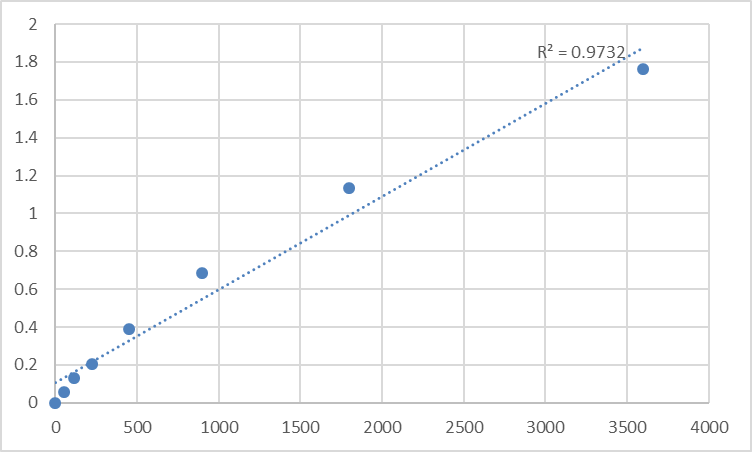
The Abbkine Human SYT1 ELISA Kit employs a sensitive and specific two-site sandwich ELISA format. A microplate is pre-coated with a capture antibody specific for human SYT1. During incubation, SYT1 present in samples or standards binds to these immobilized antibodies. After washing away unbound material, a biotin-conjugated detection antibody, targeting a distinct epitope on the SYT1 protein, is added to form an antibody-antigen-antibody "sandwich" complex. Following another wash, a Streptavidin-Horseradish Peroxidase (SA-HRP) conjugate is introduced, binding to the biotin. The addition of TMB substrate initiates an HRP-catalyzed colorimetric reaction, producing a blue color proportional to the amount of captured SYT1. The reaction is stopped with acid, turning the solution yellow, and absorbance is measured at 450 nm. A standard curve generated from known concentrations of recombinant human SYT1 enables precise quantification of unknown samples .
Key Performance Features and Technical Advantages
Engineered for reliability and ease of use, the SYT1 ELISA Kit delivers performance essential for demanding research:
• High Sensitivity and Broad Dynamic Range: The assay can detect SYT1 across a wide concentration range, typically from pg/mL to ng/mL, with a low limit of detection, enabling accurate measurement in diverse sample types, including diluted brain lysates .
• Exceptional Specificity: The antibody pair is rigorously validated to ensure minimal cross-reactivity with other synaptotagmin isoforms or unrelated synaptic proteins, guaranteeing that the signal is specific to human SYT1 .
• Superior Reproducibility: The kit demonstrates high precision with low intra-assay and inter-assay coefficients of variation (CV), ensuring consistent and reliable results across technical replicates and different experimental days .
• Ready-to-Use Convenience: All critical components—pre-coated plate, lyophilized standards, detection antibodies, conjugates, buffers, and substrates—are provided in optimized, ready-to-use formats, minimizing preparation time and potential errors.
• Streamlined, High-Throughput Protocol: The straightforward procedure involves simple incubation and wash steps, typically completed within 3.5 to 4.5 hours, allowing for the efficient processing of many samples in a single run.
• Validated for Multiple Matrices: The kit is suitable for quantifying SYT1 in a variety of biologically relevant samples, including cell and tissue lysates, serum, plasma, and cell culture supernatants .
Critical Applications in Neuroscience Research and Drug Discovery
- Investigation of SYT1-Associated Disorders: Quantify SYT1 protein expression in patient-derived cellular models (e.g., iPSC-derived neurons) or relevant animal models to correlate genotype with protein-level phenotypes and understand disease mechanisms .
- Fundamental Synaptic Physiology: Measure dynamic changes in SYT1 levels during neuronal development, synaptic maturation, or in response to patterns of electrical activity to elucidate its role in synaptic plasticity.
- Biomarker Discovery for Neurological Conditions: Explore SYT1 concentration in cerebrospinal fluid (CSF) or other biofluids as a potential biomarker for synaptic dysfunction in neurodegenerative diseases like Alzheimer's or Parkinson's.
- Characterization of Genetic and Molecular Tools: Accurately assess SYT1 protein expression following genetic manipulations (knockout, knockdown, overexpression) or treatment with molecular tools to validate their efficacy.
- Drug Discovery and Neurotoxicology: Utilize the kit as a quantitative endpoint in screening campaigns to identify small molecules or biologics that modulate SYT1 expression or function, or to assess the synaptic toxicity of environmental compounds.
- Validation of Omics Studies: Provide orthogonal protein-level validation for findings from transcriptomic or proteomic analyses that indicate changes in SYT1 gene expression.
A Fundamental Tool for Probing the Synaptic Release Machinery
Understanding the exquisite precision of synaptic transmission requires tools that can measure its core components with equal precision. The Human Synaptotagmin-1 (SYT1) ELISA Kit from Abbkine provides a reliable, high-performance solution for quantifying this essential calcium sensor. By enabling accurate and reproducible protein measurement, it empowers researchers to dissect the molecular underpinnings of synaptic function, investigate the pathophysiology of severe neurodevelopmental disorders, and accelerate the discovery of novel therapeutic strategies. For any laboratory focused on synaptic biology, neurotransmission, or neurological disease mechanisms, this kit is an indispensable resource.
Product Reference: KTE60424 – Human Synaptotagmin-1 (SYT1) ELISA Kit
Learn more and order: https://www.abbkine.com/product/human-synaptotagmin-1-syt1-elisa-kit-kte60424/





