




From Notochord to Neoplasia: Quantifying the Embryonic Transcription Factor Brachyury (T) with Precision ELISA
Brachyury, also known as the T-box transcription factor T (TBXT), is a master regulator with a dual life: it is indispensable for embryonic development and, when aberrantly expressed, a potent driver of human cancer. During early embryogenesis, Brachyury orchestrates the formation of the mesoderm and the notochord, the primitive skeletal structure that defines the body axis in all chordates . Its name, derived from the Greek for "short tail," reflects the severe developmental defects observed when its function is disrupted. In adults, however, Brachyury expression is typically silenced in most somatic tissues. Its re-emergence is a hallmark of several aggressive cancers, including chordomas, lung, breast, colon, and prostate carcinomas . In these tumors, Brachyury promotes epithelial-mesenchymal transition (EMT), a process that enhances cell motility, invasion, metastasis, and resistance to therapy . Consequently, Brachyury has emerged as a critical prognostic biomarker and a promising therapeutic target. The Human Brachyury protein (T) ELISA Kit (KTE60447) from Abbkine provides researchers with a highly sensitive, specific, and quantitative tool to accurately measure this pivotal protein in complex biological samples, enabling critical investigations into developmental biology, cancer mechanisms, and translational medicine.
The Critical Need for Accurate Brachyury Quantification in Research and Diagnostics
Transitioning from observing Brachyury's presence to understanding its functional impact requires precise, quantitative measurement. While immunohistochemistry (IHC) can localize Brachyury in tissue sections, it offers only semi-quantitative data. Western blotting, while useful, is less suited for high-throughput analysis and absolute quantification across many samples. For applications demanding precision—such as correlating protein levels with clinical outcomes, monitoring treatment responses, or screening compound libraries—a robust, quantitative assay is essential. An Enzyme-Linked Immunosorbent Assay (ELISA) specifically designed for human Brachyury fills this gap, transforming research from descriptive to analytical and enabling the generation of reproducible, numerical data that can be statistically analyzed.
Assay Principle: The Specificity of a Sandwich ELISA
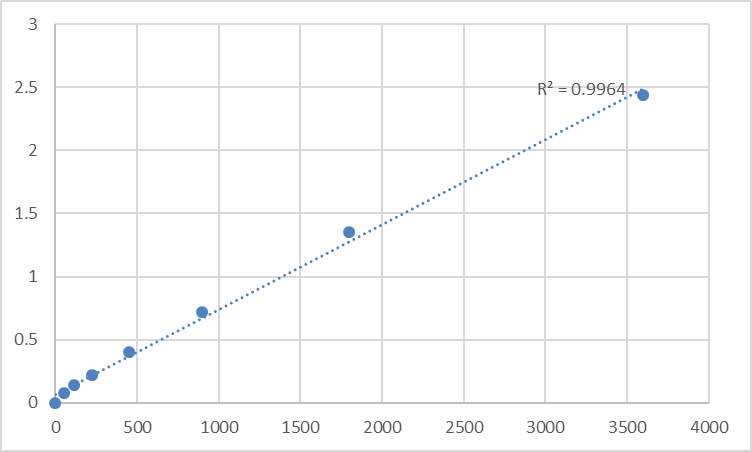
The Abbkine Human Brachyury protein (T) ELISA Kit employs a reliable two-site sandwich ELISA format, engineered for minimal cross-reactivity and high accuracy. A microplate is pre-coated with a capture antibody specific for human Brachyury. During incubation, the Brachyury antigen present in samples or standards binds to these immobilized antibodies. After washing away unbound substances, a biotin-conjugated detection antibody, targeting a distinct epitope on the Brachyury protein, is added to form an antibody-antigen-antibody "sandwich" complex. Following another wash, a Streptavidin-Horseradish Peroxidase (SA-HRP) conjugate is introduced, binding to the biotin. The addition of a TMB substrate solution initiates an HRP-catalyzed colorimetric reaction, producing a blue color directly proportional to the amount of captured Brachyury. The reaction is stopped with acid, turning the solution yellow, and the absorbance is measured at 450 nm. A standard curve generated from known concentrations of recombinant human Brachyury allows for the precise interpolation of unknown sample concentrations .
Key Performance Features and Technical Specifications
Designed for reliability and ease of use, the Brachyury ELISA Kit delivers performance metrics essential for rigorous research:
• High Sensitivity and Broad Dynamic Range: The assay can detect Brachyury across a wide concentration range, typically from pg/mL to ng/mL, with a low limit of detection, enabling accurate measurement in diverse sample types, including cell lysates, tissue homogenates, and serum .
• Exceptional Specificity: The antibody pair is rigorously validated to ensure minimal cross-reactivity with other T-box family members or unrelated proteins, guaranteeing that the measured signal is specific to human Brachyury.
• Superior Reproducibility: The kit demonstrates high precision with low intra-assay and inter-assay coefficients of variation (CV), ensuring consistent and reliable results across technical replicates and different experimental runs .
• Ready-to-Use Convenience: All critical components—pre-coated plate, lyophilized standards, detection antibodies, conjugates, buffers, and substrates—are provided in optimized, ready-to-use formats, minimizing preparation time and potential errors.
• Streamlined, High-Throughput Protocol: The straightforward procedure involves simple incubation and wash steps, typically completed within a few hours, allowing for the efficient processing of many samples in a single run.
• Validated for Multiple Matrices: The kit is suitable for quantifying Brachyury in a variety of biologically relevant samples, including serum, plasma, cell culture supernatants, and tissue/cell lysates .
Diverse Applications in Developmental Biology, Oncology, and Translational Research
- Cancer Biomarker Discovery and Prognosis: Quantify Brachyury expression levels in tumor tissues, patient serum, or plasma to investigate its correlation with tumor stage, metastatic potential, and patient survival. High Brachyury levels are strongly associated with poor prognosis in cancers like lung, colon, and prostate carcinoma .
- Mechanistic Studies of EMT and Metastasis: Measure dynamic changes in Brachyury protein during EMT induction in cell culture models to elucidate its role in promoting invasion, stemness, and therapy resistance .
- Chordoma Research and Diagnosis: As a near-specific marker for chordoma, the kit is invaluable for quantifying Brachyury in chordoma cell lines and patient samples, aiding in both basic research and supporting differential diagnosis .
- Developmental Biology and Stem Cell Research: Investigate Brachyury protein expression during in vitro differentiation of pluripotent stem cells (e.g., embryonic stem cells or iPSCs) into mesodermal lineages, providing a quantitative readout for differentiation efficiency.
- Drug Discovery and Therapeutic Monitoring: Utilize the kit as a quantitative endpoint in high-throughput screens to identify small molecules or biologics that inhibit Brachyury expression or function. It can also be used to monitor Brachyury levels in preclinical models treated with Brachyury-targeted therapies, such as vaccines currently under clinical investigation .
- Validation of Genetic and Molecular Tools: Accurately assess Brachyury protein expression following genetic manipulations (knockout, knockdown, overexpression) or treatment with signaling pathway modulators to validate their efficacy at the protein level.
A Fundamental Tool for a Protein with Dual Identities
Brachyury stands at the fascinating intersection of developmental biology and oncology. The Human Brachyury protein (T) ELISA Kit from Abbkine provides a reliable, high-performance solution for quantifying this critical transcription factor. By enabling accurate and reproducible protein measurement, it empowers researchers to dissect its role in embryogenesis, unravel its contribution to cancer progression and metastasis, validate it as a clinical biomarker, and accelerate the development of novel targeted therapies. For laboratories focused on developmental signaling, cancer biology, or translational medicine, this kit is an indispensable resource for generating robust, quantitative data on a protein of paramount importance.
Product Reference: KTE60447 – Human Brachyury protein (T) ELISA Kit
Learn more and order: https://www.abbkine.com/product/human-brachyury-protein-t-elisa-kit-kte60447/





