




Beyond Savory Sensation: Quantifying the Human TAS1R1 Umami Taste Receptor for Nutritional and Metabolic Research
The perception of umami—the savory, mouthwatering taste of glutamate-rich foods like meat, cheese, and tomatoes—is more than just a culinary delight; it is a sophisticated nutrient-sensing mechanism with profound implications for metabolism and health. This fundamental taste quality is primarily mediated by the heterodimeric G protein-coupled receptor composed of Taste receptor type 1 member 1 (TAS1R1) and TAS1R3 . TAS1R1 serves as the specific ligand-binding subunit for L-amino acids, most notably L-glutamate, and its activation is potently enhanced by 5'-ribonucleotides like IMP, creating the synergistic "umami" taste . Beyond the tongue, TAS1R1 is expressed in the gut, pancreas, and brain, where it is believed to play roles in nutrient sensing, hormone secretion, and the regulation of food intake . Dysregulation of TAS1R1 signaling has been linked to altered dietary preferences and metabolic conditions . Therefore, accurately measuring TAS1R1 protein levels is crucial for unraveling its roles in taste physiology, gastrointestinal function, and systemic metabolism. The Human Taste receptor type 1 member 1 (TAS1R1) ELISA Kit (KTE60482) from Abbkine provides researchers with a highly sensitive and specific tool for the precise, quantitative detection of TAS1R1 in a variety of biological samples, bridging sensory biology with nutritional science.
The Expanding Role of TAS1R1: From Tongue to Systemic Physiology
Originally characterized as a taste receptor, TAS1R1 is now recognized as a broader chemosensor with functions extending far beyond the oral cavity. In taste bud cells, the binding of glutamate to the Venus Flytrap (VFT) domain of TAS1R1 triggers a conformational change and downstream signaling via G-proteins like gustducin, ultimately leading to nerve activation and taste perception . However, its expression in enteroendocrine cells of the gut suggests it acts as a luminal sensor for amino acids, potentially influencing the release of satiety hormones like GLP-1 and modulating digestive processes. This systemic expression makes TAS1R1 a compelling target for research into appetite regulation, metabolic disorders, and the gut-brain axis. Quantifying its expression levels in different tissues under various dietary or pathological conditions is a fundamental step in understanding these complex roles.
Why a Quantitative TAS1R1 ELISA is Essential for Advanced Research
Moving from qualitative detection to precise quantification is a critical leap for functional studies. While techniques like PCR can measure TAS1R1 mRNA, protein levels do not always correlate directly with transcript abundance due to post-transcriptional regulation. Immunohistochemistry provides spatial context but is semi-quantitative. A robust Enzyme-Linked Immunosorbent Assay (ELISA) specifically for human TAS1R1 enables researchers to obtain absolute protein concentrations, facilitating direct comparisons across experimental conditions, patient cohorts, or tissue types. This quantitative capability is indispensable for biomarker studies, dose-response analyses in drug discovery, and investigating protein-level changes in response to dietary interventions or disease states.
Assay Principle: The Specificity of a Sandwich ELISA Format
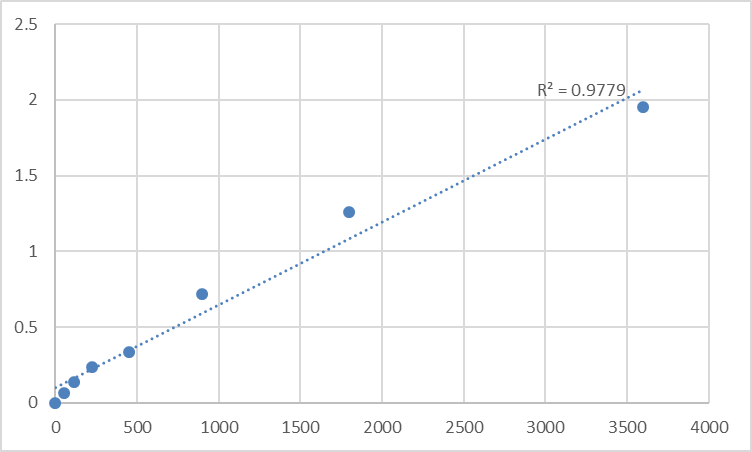
The Abbkine Human TAS1R1 ELISA Kit is based on a well-established two-site sandwich ELISA design, optimized for minimal cross-reactivity and high accuracy . A microplate is pre-coated with a capture antibody specific for human TAS1R1. During incubation, the TAS1R1 present in samples or standards binds to these immobilized antibodies. After washing, a biotin-conjugated detection antibody targeting a different epitope on the TAS1R1 protein is added, forming the characteristic "sandwich" complex. Following another wash step, a Streptavidin-Horseradish Peroxidase (SA-HRP) conjugate is introduced, binding to the biotin. The addition of a TMB substrate solution initiates an HRP-catalyzed colorimetric reaction, producing a blue color directly proportional to the amount of captured TAS1R1. The reaction is stopped with acid, turning the solution yellow, and the absorbance is measured at 450 nm. A standard curve generated from known concentrations of recombinant human TAS1R1 allows for precise quantification of unknown samples .
Key Features and Performance Specifications
Engineered for reliability and user-friendliness, the TAS1R1 ELISA Kit delivers performance essential for demanding research applications:
• High Sensitivity and Specificity: The assay is designed for high sensitivity, capable of detecting low levels of TAS1R1, and exhibits excellent specificity with no significant cross-reactivity with analogues, ensuring accurate measurement of the target protein .
• Excellent Reproducibility: The kit demonstrates high precision, with typical intra-assay and inter-assay coefficients of variation (CV) reported to be below 3.7% and 7.5% respectively, ensuring consistent and reliable results across replicates and experimental runs .
• Broad Sample Compatibility: Validated for use with serum, plasma, cell culture supernatants, and other biological fluids, the kit offers great flexibility for diverse experimental designs, from clinical samples to in vitro models .
• Ready-to-Use Convenience: All necessary components—pre-coated plate, standards, detection antibodies, conjugates, buffers, and substrates—are provided in optimized, ready-to-use formats, streamlining workflow and reducing preparation time.
• Robust Stability: The kit components are stable under recommended storage conditions, with a loss rate of less than 5% within the expiration date, ensuring reliable performance over time .
Diverse Applications in Sensory Biology, Nutrition, and Disease Research
- Taste Physiology and Food Science: Investigate TAS1R1 expression levels in taste tissue biopsies or cultured taste cells in response to different diets, aging, or genetic variations to understand individual differences in umami perception and food preference.
- Gut Nutrient Sensing and Metabolism: Quantify TAS1R1 protein in intestinal organoids, enteroendocrine cell lines, or gut tissue samples to study its role in amino acid sensing, gut hormone release (e.g., GLP-1), and its connection to satiety signaling and metabolic health.
- Metabolic Disorder Research: Measure circulating or tissue-specific TAS1R1 levels in cohorts with obesity, diabetes, or metabolic syndrome to explore its potential as a biomarker or its involvement in disease-related alterations in nutrient sensing and appetite regulation.
- Drug Discovery and Nutraceutical Screening: Utilize the kit as a quantitative readout in high-throughput screens to identify novel umami enhancers, modulators of TAS1R1 signaling, or compounds that may influence metabolic pathways via this receptor.
- Characterization of Cellular Models: Accurately assess TAS1R1 protein expression in genetically engineered cell lines (e.g., knockout, knockdown, or overexpression models) to validate genetic manipulations and study receptor function.
- Validation of Omics Data: Provide orthogonal protein-level validation for findings from transcriptomic (RNA-seq) or proteomic studies that indicate differential regulation of the TAS1R1 gene.
A Precision Tool for a Multifaceted Receptor
The Human TAS1R1 ELISA Kit from Abbkine is more than just an assay for a taste receptor; it is a key to unlocking the complex roles of this protein in systemic physiology. By providing a sensitive, specific, and quantitative method to measure TAS1R1, this kit empowers researchers to move beyond associative studies and establish direct, quantitative links between receptor abundance, dietary inputs, and physiological outcomes. Whether exploring the fundamentals of chemosensation, investigating the gut-brain axis, or searching for metabolic biomarkers, this reliable tool is essential for generating robust data on this important nutrient sensor.
Product Reference: KTE60482 – Human Taste receptor type 1 member 1 (TAS1R1) ELISA Kit
Learn more and order: https://www.abbkine.com/product/human-taste-receptor-type-1-member-1-tas1r1-elisa-kit-kte60482/





