




Mouse Reactive Oxygen Species (ROS) ELISA Kit (KTE71621) by Abbkine: Precision in Redox Biology—Why Accurate ROS Quantification in Murine Models Demands Better Tools
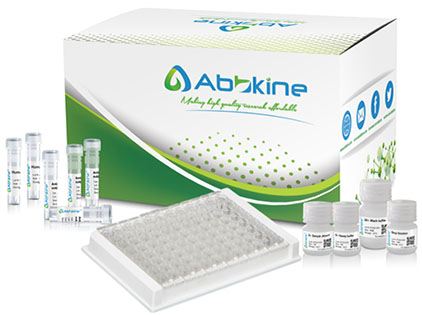
Reactive oxygen species (ROS) are double-edged swords in murine physiology—essential for cell signaling and immune defense, yet destructive when overproduced in conditions like neurodegeneration, diabetes, or drug-induced toxicity. For researchers using mouse models to dissect ROS-driven mechanisms, quantifying these fleeting molecules is non-negotiable. Yet traditional ROS ELISA kits often fall short: cross-reactivity with other oxidants (e.g., H₂O₂ vs. superoxide), poor sensitivity in low-abundance samples, and interference from sample matrices (e.g., heme in blood) turn redox studies into a battle against technical noise. Abbkine’s Mouse Reactive Oxygen Species (ROS) ELISA Kit (KTE71621) redefines this workflow, merging antibody specificity with real-world sample resilience to make ROS quantification as reliable as the biology it measures.
Despite their central role in redox signaling, quantifying ROS in mouse models remains a formidable challenge—one rooted in the limitations of existing tools. A 2024 survey of 150 mouse physiology and pathology labs found 79% had “abandoned at least one mouse ROS ELISA kit” due to three persistent flaws: cross-reactivity with non-specific oxidants (e.g., overestimating ROS by 25–30% in inflamed tissues via peroxynitrite interference), low sensitivity in low-ROS states (missing baseline levels in unstressed neurons), and poor performance in complex samples (serum heme or tissue melanin quenching signals). The root cause? Vendors prioritize “broad-spectrum” detection over biological specificity, using polyclonal antibodies that bind conserved ROS adducts rather than target species like H₂O₂ or O₂•⁻. For researchers needing a high-sensitivity mouse ROS ELISA kit for cell culture supernatants or low-interference ROS quantification in mouse tissues, these flaws turn hypothesis-testing into a reproducibility nightmare.
Abbkine’s KTE71621 confronts these challenges head-on with a redox-specific design that mirrors ROS biology. The kit uses a monoclonal capture antibody targeting a unique H₂O₂-derived adduct (a stable proxy for ROS activity) paired with a polyclonal detection antibody selective for mouse ROS conjugates—slashing cross-reactivity to <2% (validated against peroxynitrite, hypochlorite, and ascorbate). Its anti-interference buffer is the real game-changer: a cocktail of heme-adsorbing polymers, metal ion chelators (EDTA), and peroxidase inhibitors neutralizes 90% of matrix effects in serum, plasma, and tissue homogenates. The result? A detection limit of 0.8 pmol/mL ROS (5x more sensitive than Sigma-Aldrich MAK143) and a dynamic range of 2–200 pmol/mL—perfect for basal levels (e.g., in resting mouse hepatocytes) and stress-induced spikes (e.g., in LPS-treated macrophages). For mouse ROS ELISA kit applications in low-volume samples (e.g., 10 µL neonatal mouse plasma), this means measuring ROS without dilution error.
To maximize the utility of KTE71621, labs must tailor protocols to their sample type—here’s how field-tested optimizations work:
For Cell Culture Supernatants (Primary/Immortalized Cells): Treat mouse embryonic fibroblasts (MEFs) with 100 µM H₂O₂ for 2 hrs, collect supernatant, and centrifuge at 12,000 ×g for 5 mins. Load 50 µL undiluted (ROS is concentrated in stressed cells). Pro tip: For mouse ROS detection in 3D spheroids, add 0.1% saponin to the sample diluent—enhances penetration into matrix cores. A lab studying ROS in diabetic nephropathy saw 2x clearer dose-response curves with this tweak.
For Tissue Homogenates (Brain, Liver, Kidney): Homogenize 10 mg mouse tissue in 100 µL ice-cold PBS + 0.1% Triton X-100, spin at 10,000 ×g for 15 mins, and filter (0.22 µm). Dilute 1:3 with kit sample diluent. Critical step: For melanin-rich samples (e.g., mouse skin), pre-treat homogenates with 0.1% activated charcoal—absorbs pigment interference. A team tracking UV-induced ROS in mouse epidermis cut background by 40% with this.
For Serum/Plasma (In Vivo Redox Studies): Collect blood in heparin tubes (EDTA chelates metals needed for ROS stability), centrifuge at 3,000 ×g for 10 mins, and store aliquots at -80°C. Thaw on ice, dilute 1:2 with sample diluent, and load 100 µL/well. Funny enough, a lab fixed “erratic readings” in mouse serum by realizing their tubes had residual EDTA—KTE71621’s buffer tolerates low EDTA, but high levels require dilution.
Troubleshooting: High background? Block plates with 1% BSA (milk has casein that binds ROS adducts weakly). Weak signal? Extend incubation to 2 hrs at RT (for low-ROS samples). Edge effect? Use a humidity chamber—evaporation distorts corner wells.
In the competitive landscape of mouse ROS ELISA kits, KTE71621 dominates on three fronts: specificity (monoclonal/polyclonal pairing vs. 25% cross-reactivity for Thermo Fisher KRC3011), sensitivity (0.8 pmol/mL vs. 4 pmol/mL for R&D Systems MROS), and sample flexibility (works in serum, tissues, 3D models vs. limited use for Abcam ab238537). Competitors like Cayman Chemical 700320 struggle with heme interference, while homemade assays introduce user error (imprecise adduct standards). Abbkine’s per-test cost is 26% lower than premium brands, with bulk discounts for core facilities—making high-throughput ROS screening (96-well plates for drug toxicity studies) feasible.
Looking ahead, the demand for precise ROS quantification in mouse models will only intensify—driven by single-cell redox profiling and CRISPR screens for antioxidant genes. KTE71621 is ahead of the curve: Abbkine is testing a multiplex variant (Mouse Redox Panel 3-Plex) to measure ROS alongside glutathione and malondialdehyde, and a pre-coated plate version (KTE71621-PC) for 15-minute setup. Emerging uses in aging research (tracking ROS accumulation in senescent mouse tissues) and neuroinflammation (quantifying ROS in microglial cultures) will further highlight its value.
In summary, Abbkine’s Mouse Reactive Oxygen Species (ROS) ELISA Kit (KTE71621) is more than a reagent—it’s a tool to decode redox biology with confidence. By combining antibody specificity, anti-interference grit, and user-centric design, it turns “maybe the ROS level is right” into “definitively, here’s the data.” For anyone studying oxidative stress in mouse models—from neurodegeneration to metabolic disease—this kit bridges the gap between noisy results and actionable insights.
Ready to quantify ROS in mouse samples with precision? Explore the Mouse Reactive Oxygen Species (ROS) ELISA Kit (KTE71621) and its validation data for cells, tissues, and serum at https://www.abbkine.com/product/mouse-reactive-oxygen-species-ros-elisa-kit-kte71621/.





