




Mastering IL-1β Detection: How a Carefully Validated Polyclonal Antibody Reveals the Inflammatory Landscape
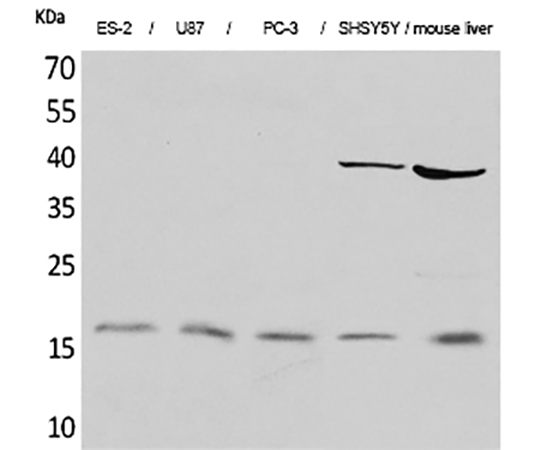
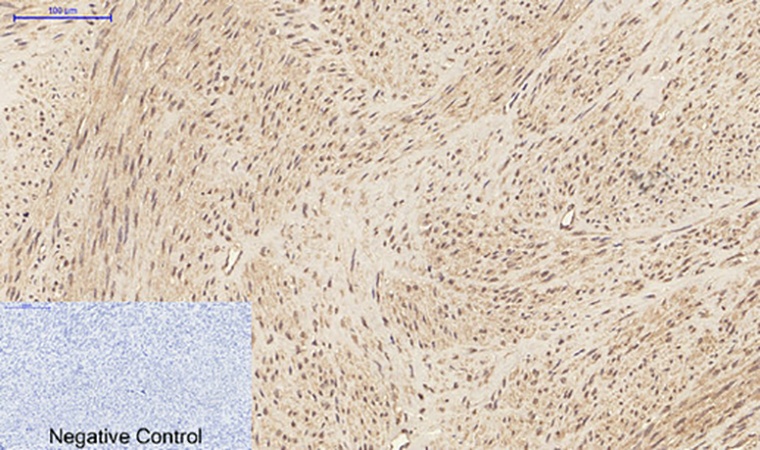
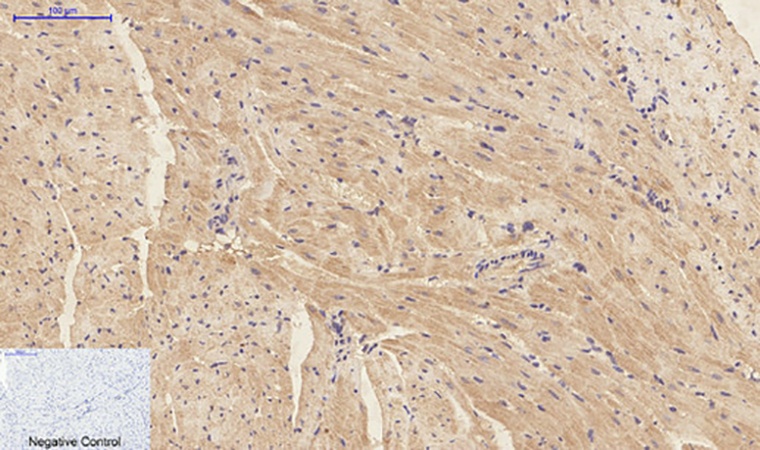
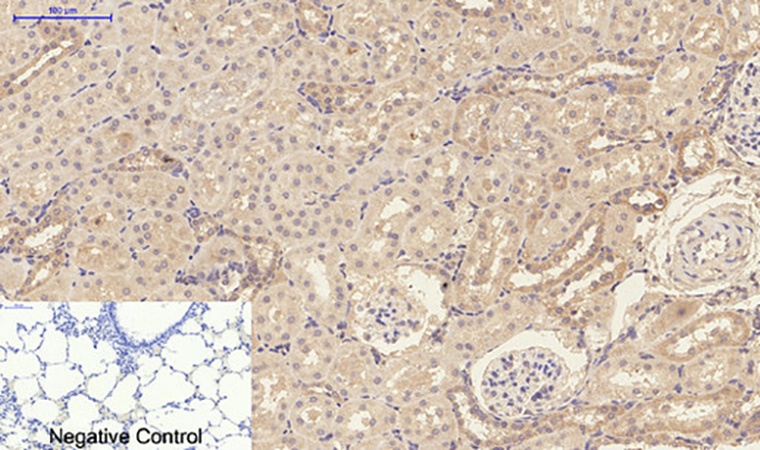
Interleukin-1β (IL-1β) is arguably the most extensively studied and clinically relevant member of the interleukin-1 family, a pyrogenic cytokine that orchestrates the acute inflammatory response, shapes adaptive immunity, and drives pathology in a staggering range of human diseases. From gout and rheumatoid arthritis to type 2 diabetes, atherosclerosis, and neuroinflammation, IL-1β sits at the apex of the cytokine cascade—its production tightly regulated by inflammasome activation, its release a hallmark of pyroptotic cell death, and its signaling through IL-1R1 a potent amplifier of NF-κB, MAPK, and COX-2 pathways. Because its dysregulation is so central to disease, IL-1β is both a therapeutic target (canakinumab, anakinra) and a biomarker whose tissue and fluid levels inform prognosis, drug response, and mechanistic insight. Yet detecting IL-1β reliably—distinguishing the inactive pro-form (31 kDa) from the bioactive mature form (17 kDa), avoiding cross-reactivity with IL-1α or the IL-1Ra decoy, and achieving clean signal in complex samples like synovial fluid, tissue lysates, or LPS-stimulated macrophage supernatants—demands an antibody that is as specific as it is sensitive. The IL-1β Polyclonal Antibody (ABP52932) from Abbkine is built for exactly that challenge: a rabbit-derived, affinity-purified IgG validated across Western blot, immunohistochemistry, immunofluorescence, and ELISA, designed to give you the clearest possible window into this master inflammatory mediator.
IL-1β: The Cytokine That Burns Hot and Leaves a Trace
Synthesized as a 269–271 amino acid precursor (pro-IL-1β, 31 kDa) that lacks a classical signal peptide, IL-1β accumulates in the cytosol of activated myeloid cells—macrophages, monocytes, dendritic cells, microglia—and waits for a second signal. That second signal is typically NLRP3 inflammasome assembly, which recruits caspase-1, cleaves pro-IL-1β at Asp116–Ala117, and releases the mature 153-aa fragment (17 kDa) into the extracellular space, often coincident with pyroptotic membrane rupture. Once outside, IL-1β binds IL-1R1, recruits the IL-1RAcP co-receptor, and triggers a signaling cascade that amplifies itself: more IL-1β, more TNF, more IL-6, more chemokines, more adhesion molecules. This explosive amplification is why even small amounts of bioactive IL-1β can trigger fever, anorexia, hypotension, and tissue remodeling. It also explains why accurate protein-level detection is non-negotiable—mRNA fold-changes of IL1B do not always predict the amount of active protein released, especially when post-transcriptional regulation (miR-155, tristetraprolin) and inflammasome licensing are in play.
Why a Polyclonal Antibody? The Case for Multi-Epitope Recognition
Monoclonal antibodies are prized for their epitope-defined specificity, but when your target is a cytokine that exists in multiple conformations (pro-form, mature, oligomeric, LAP-bound in some contexts), a well-characterized polyclonal can actually outperform a single clone. The IL-1β Polyclonal Antibody (ABP52932) is produced by immunizing rabbits with a synthetic peptide derived from the human IL-1β mature region (sequence details should be confirmed on the product page for your specific lot). The resulting antiserum is affinity-purified to enrich for antibodies that recognize both the pro-form and the mature fragment, giving you:
• Broader epitope coverage → higher likelihood of detecting IL-1β in denatured (WB), fixed (IHC/IF), and native (ELISA) formats without losing signal to a single masked epitope.
• Enhanced sensitivity → multiple antibody subpopulations can capture the target even when it's present at low picogram levels in complex matrices.
• Cross-species utility → many IL-1β polyclonals recognize human, mouse, and rat IL-1β (confirm reactivity on the datasheet), letting you bridge between patient samples and rodent models without switching reagents.
Product Profile: Abbkine IL-1β Polyclonal Antibody (ABP52932)
Based on the typical specifications for Abbkine's affinity-purified rabbit polyclonal antibodies, ABP52932 is designed for robust, multi-application performance:
Feature Typical Detail
Host / Isotype Rabbit / IgG
Purification Affinity-purified (peptide-specific)
Immunogen Synthetic peptide from human IL-1β (mature region)
Species Reactivity Human (likely mouse, rat; verify on product page)
Applications WB (1:500–2000), IHC-P (1:100–300), IF/ICC (1:200–1000), ELISA (1:10,000–20,000)
Format Liquid in PBS, 50% glycerol, 0.5% BSA, 0.09% sodium azide
Storage -20°C (stable ≥ 12 months)
Always refer to the official Abbkine datasheet for lot-specific validation data, recommended dilutions, and positive control lysates.
Using ABP52932 Without Falling Into Common IL-1β Traps
- Western Blot: Pro vs. Mature
The most frequent question in IL-1β Westerns is: "Why do I see a ~31 kDa band but no ~17 kDa band?" The answer is usually that your sample contains mostly pro-IL-1β (common in lysates of unstimulated or weakly activated cells) and little mature secreted cytokine. To see the mature band:
• Collect supernatants from LPS + ATP/nigericin–treated macrophages or THP-1 cells.
• Concentrate if necessary (TCA precipitation or ultrafiltration).
• Run reducing SDS-PAGE (the dimer is disulfide-linked; non-reduced will shift).
• Include a recombinant mature IL-1β as a positive control.
ABP52932 should recognize both forms clearly; if the mature band appears faint, check your loading and transfer (PVDF is recommended for low-molecular-weight proteins <20 kDa).
- IHC/IF: Antigen Retrieval & Specificity
In formalin-fixed, paraffin-embedded (FFPE) tissue, IL-1β is often detected in activated macrophages, microglia, synovial lining cells, and infiltrating immune cells. Successful staining requires:
• Heat-induced antigen retrieval with pH 6.0 citrate or pH 9.0 EDTA (test both; IL-1β epitopes often prefer the higher pH).
• Blocking with serum from the secondary antibody's host species (e.g., goat serum for goat anti-rabbit secondaries).
• Negative controls: pre-incubate the antibody with recombinant IL-1β (if available) to confirm signal specificity, or use an isotype control.
- ELISA Capture/Detection
Because polyclonal antibodies contain multiple specificities, ABP52932 can be used as either a capture antibody (coat the plate) or a detection antibody (biotinylate it) in a sandwich ELISA. However, for quantitative sandwich ELISAs, it's safer to pair it with a monoclonal detection antibody from a different epitope cluster, or use a commercially matched pair. The datasheet may recommend specific pairings; if not, a pilot titration is essential.
Where This Antibody Powers Critical Discoveries
- Inflammasome Biology & Pyroptosis: Track caspase-1–dependent IL-1β maturation in NLRP3, NLRC4, AIM2, or pyrin inflammasome models. ABP52932 lets you distinguish between "pro-form accumulation" and "mature release" in the same experiment.
- Macrophage Polarization & Innate Memory: Measure IL-1β output in M1 vs. M2 macrophages, trained immunity (β-glucan/Bacille Calmette-Guérin), or endotoxin tolerance paradigms—where the difference between "primed" and "licensed" is often a matter of IL-1β protein quantity.
- Neuroinflammation & Microglial Activation: Detect IL-1β in brain sections from models of Alzheimer's, traumatic brain injury, or multiple sclerosis; co-label with Iba-1, GFAP, or NeuN to assign cellular source.
- Arthritis & Synovitis: Visualize IL-1β–positive lining cells in rheumatoid arthritis synovium; correlate with pannus invasion, osteoclast activation, and cartilage degradation scores.
- Cancer–Inflammation Crosstalk: Study IL-1β in the tumor microenvironment—its dual role in promoting angiogenesis and suppressing anti-tumor immunity—by combining IHC with CD31, CD8, and FoxP3 panels.
- Drug Target Engagement: Confirm that your NLRP3 inhibitor, caspase-1 inhibitor, or anti-IL-1β biologic actually reduces mature IL-1β protein in cell supernatants or tissue lysates—not just mRNA.
The Bottom Line
IL-1β is the cytokine that connects sterile inflammation, infection, and chronic disease—but its detection requires an antibody that can navigate the pro-form/mature duality, resist cross-reactivity, and perform across the platforms you actually use. The IL-1β Polyclonal Antibody (ABP52932) from Abbkine delivers that versatility: affinity-purified rabbit IgG validated for WB, IHC, IF, and ELISA, with the multi-epitope coverage that only a well-designed polyclonal can provide. Whether you're mapping inflammasome activation in macrophages, scoring IL-1β in arthritic joints, or validating a new anti-inflammatory compound, this antibody gives you the signal clarity you need to draw conclusions that hold up.
Product Reference: ABP52932 – IL-1β Polyclonal Antibody
Learn more and order: https://www.abbkine.com/product/il-1%ce%b2-polyclonal-antibody-abp52932/





