




Beyond the Inflammatory Marker: A Practical Guide to Getting the Most from Your EliKine™ Human IL-1β ELISA Kit (KTE6013)
If you are working in immunology, neuroinflammation, or cancer biology, chances are you have spent a considerable amount of time thinking about Interleukin-1β. This cytokine is a heavyweight in the inflammatory cascade, a master regulator produced by activated macrophages and other cell types that orchestrates fever, pain hypersensitivity, and a host of cellular responses ranging from proliferation to apoptosis. Measuring its concentration accurately in serum, plasma, or culture supernatant is not just a routine task; it is often the central question upon which a hypothesis stands or falls. The EliKine™ Human IL-1β ELISA Kit (KTE6013) from Abbkine is designed to meet this challenge, but like any sophisticated tool, its performance is maximized when the user understands not just the "how," but the "why" behind each step.
The true sophistication of the EliKine™ Human IL-1β quantitative sandwich ELISA lies in its layered specificity, a design that goes beyond simple antibody-antigen interaction. The process, as outlined in the kit's specifications, is a carefully choreographed sequence. It begins with the capture antibody, pre-coated on the microplate, which immobilizes the IL-1β present in your sample. But the key to the assay's high sensitivity and excellent specificity—features explicitly highlighted for this kit—is the second layer: the biotin-conjugated detection antibody. This antibody recognizes a different epitope on the IL-1β molecule, ensuring that only the intact cytokine is measured. The subsequent addition of the proprietary EliKine™ Streptavidin-HRP conjugates then amplifies the signal with high affinity. This two-site recognition system is what effectively filters out noise from degraded fragments or closely related analogues, providing the confidence that the signal you measure at 450 nm is a true reflection of bioactive IL-1β concentration.
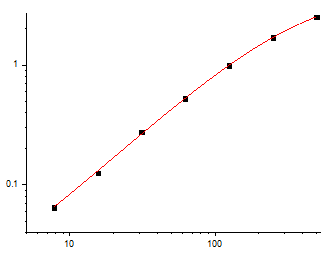
One of the most frequent pain points in ELISA is not the assay itself, but the pre-analytical phase—how samples are handled before they ever touch the plate. For a cytokine as labile and biologically active as IL-1β, this is critical. The kit's broad compatibility with sample types—cell culture supernatants, plasma, serum, and other biological fluids—is a major advantage, but it also places a responsibility on the user. My independent advice here is to be obsessive about your sample collection and storage protocols. For plasma, the choice of anticoagulant can matter; heparin, for instance, can sometimes interfere with antibody binding in unpredictable ways. Serum must be clotted completely before centrifugation to avoid fibrinogen interference. And while the kit provides a clear calibration range (7.8 pg/ml to 500 pg/ml) with a sensitive detection limit of 4 pg/mL, this sensitivity can be wasted if your samples have undergone multiple freeze-thaw cycles. Aliquoting and storing samples at -80°C immediately after collection is not a suggestion; it is a prerequisite for generating data that reflects the in vivo state.
Moving beyond the basics, let's talk about the practicalities of achieving that beautiful, linear standard curve every time. The product page includes a crucial, and often underappreciated, instruction: "Mix Thoroughly is very important for the result." This is not just generic advice. In a sandwich ELISA, the initial binding step is kinetically driven. If your standards or samples are not uniformly mixed after addition to the wells, you create a concentration gradient within the well, leading to variable binding and increased replicate error. The recommendation to use a low-frequency oscillator or gentle hand shaking every 10 minutes during incubation is sound. Additionally, pre-rinsing your pipette tips with the reagent or standard, as suggested, equilibrates the tip and ensures you are delivering the precise volume intended, not a drop that has been altered by evaporation or static adhesion. These small mechanical details are the difference between an assay that works and an assay that yields publication-quality data.
The value of a well-characterized ELISA kit is perhaps most powerfully demonstrated by its adoption in the wider scientific community, and the EliKine™ Human IL-1β kit (KTE6013) has already begun to accumulate this crucial validation. With five publications citing its use, we can see its application across diverse research contexts. For example, its use in a study published in the International Journal of Molecular Sciences investigating how mangiferin represses inflammation in macrophages under hyperglycemic conditions (IF: 4.9) speaks to its utility in basic cellular immunology and diabetes research. Another citation in Experimental and Therapeutic Medicine explores its role in modulating neuroinflammatory factors, demonstrating its sensitivity in the context of central nervous system studies. This breadth is telling: it confirms that the kit's performance is robust enough to detect IL-1β changes in various disease models and matrices, from simple cell supernatants to more complex physiological fluids. For a researcher planning a new project, seeing this track record provides a level of assurance that is more compelling than any single data sheet claim.
In an era where multiplex assays are becoming more common, the classic single-plex ELISA remains the gold standard for targeted, quantitative cytokine analysis, and the EliKine™ Human IL-1β kit exemplifies why. It offers a focused, high-performance tool for the precise measurement of one of the most important mediators of inflammation. Whether you are studying the inflammasome pathway, evaluating the efficacy of a new anti-inflammatory drug candidate, or investigating the role of IL-1β in chronic disease, the quality of your data will depend on the quality of your reagents and your command of the protocol. By paying close attention to sample integrity, mastering the mixing steps, and leveraging the kit's validated performance, you can ensure that your IL-1β measurements are a reliable foundation for your scientific conclusions. For complete details on specifications and to order, you can access the EliKine™ Human IL-1β ELISA Kit (KTE6013) product page here: https://www.abbkine.com/product/elikine-human-il-1%ce%b2-elisa-kit-kte6013/ .





