




The Cardiac Injury Sentinel: How Rat Cardiac Troponin T (cTn-T) ELISA Kit Is Transforming Preclinical Cardiovascular Research
Stop. You're studying myocardial infarction, evaluating cardiotoxicity, or investigating cardiac remodeling in rat models, but your cardiac biomarker detection feels like trying to hear a pin drop in a thunderstorm. Traditional cTn-T detection methods suffer from cross-reactivity with skeletal troponin isoforms, poor sensitivity for early injury detection, and inconsistent performance across different sample types that turn promising cardiovascular studies into unreliable data chaos. The frustration is palpable—and it's preventing you from capturing the precise cardiac injury dynamics that define therapeutic efficacy and disease progression. The Rat Cardiac Troponin T (cTn-T) ELISA Kit isn't just another cardiac biomarker detection tool—it's the cardiac injury sentinel that finally makes cTn-T quantification as precise and reliable as your most sophisticated molecular biology techniques.
Let's confront the uncomfortable reality: cardiac troponin T measurement in rat models has been fundamentally compromised by inadequate detection specificity for decades. Most commercial cTn-T ELISA kits still struggle with cross-reactivity against skeletal muscle troponin T isoforms, creating devastating false positives in studies involving muscle injury, exercise models, or multi-organ toxicity assessments. These cross-reactivities can inflate cardiac injury measurements by 30-50%, turning subtle myocardial damage signals into misleading data that compromise publication credibility and drug development decisions. The Rat Cardiac Troponin T (cTn-T) ELISA Kit solves this through proprietary monoclonal antibody pairs with absolute cardiac-specific recognition and zero cross-reactivity against skeletal troponin isoforms.
The breakthrough? Advanced sandwich ELISA technology combined with cardiac-specific monoclonal antibodies that preserve absolute specificity for rat cardiac troponin T while eliminating interference from skeletal muscle isoforms and other serum proteins. Unlike traditional cTn-T detection methods that rely on polyclonal antibodies with variable specificity or cross-reactive epitope recognition, this optimized ELISA format achieves maximum signal amplification with minimal background noise. The result? Detection capability that captures subtle cTn-T fluctuations across the entire physiological and pathological range—from baseline levels in healthy rats to severely elevated concentrations in acute myocardial infarction models—without interference from skeletal muscle damage or other biological matrices.
Think about this: cardiac troponin T isn't just another cardiac biomarker—it's the gold standard indicator of myocardial injury that powers clinical diagnostics worldwide, the critical sentinel that detects cardiomyocyte damage before morphological changes become visible, the quantitative measure that distinguishes between reversible ischemia and irreversible necrosis, and the biomarker that predicts long-term cardiac outcomes with unparalleled accuracy. In preclinical drug development alone, precise cTn-T quantification distinguishes between cardiotoxic and cardioprotective compounds with 95% accuracy before histological changes become apparent.
The sensitivity advantage transforms experimental design possibilities. Traditional cTn-T ELISA kits struggle to detect concentrations below 0.1 ng/mL, missing the subtle cardiac injury signals that occur in early drug-induced cardiotoxicity, mild ischemia-reperfusion injury, or chronic cardiac remodeling. The Rat Cardiac Troponin T (cTn-T) ELISA Kit achieves detection sensitivity of just 0.03 ng/mL, enabling researchers to capture the earliest cardiac injury signals that precede visible histological damage. This ultra-sensitivity has revolutionized cardiovascular research, allowing detection of cTn-T elevation within 30 minutes of ischemic injury rather than waiting 2-4 hours for traditional methods to become positive.
Sample versatility is what truly distinguishes this technology from specialized cardiac biomarker detection reagents. While some cTn-T ELISA kits work only with serum or plasma, the Rat Cardiac Troponin T (cTn-T) ELISA Kit has been validated for serum, plasma (EDTA, heparin, citrate), tissue homogenates, cell culture supernatants, and even cardiac perfusate samples. This universality means you can study cardiac injury across multiple experimental models simultaneously—comparing serum cTn-T levels with direct cardiac tissue measurements or cell culture supernatant analysis in the same experimental setup. Recent applications have included cTn-T quantification in isolated heart perfusion models, in vivo myocardial infarction studies, and drug-induced cardiotoxicity screening.
The interference elimination protocol is the secret weapon most researchers overlook. Every biological sample contains compounds that can sabotage cTn-T measurements: heterophilic antibodies that cause false positives, rheumatoid factors that interfere with sandwich ELISA formats, hemoglobin from hemolyzed samples that quenches colorimetric signals, and lipids from lipemic samples that scatter optical detection. The Rat Cardiac Troponin T (cTn-T) ELISA Kit incorporates proprietary sample dilution buffers and blocking agents that neutralize these interferents while preserving cTn-T integrity. Validation studies show <5% interference from common sample components including hemoglobin up to 500 mg/dL, bilirubin up to 20 mg/dL, and triglycerides up to 2,000 mg/dL—performance levels that make previously impossible experiments routine.
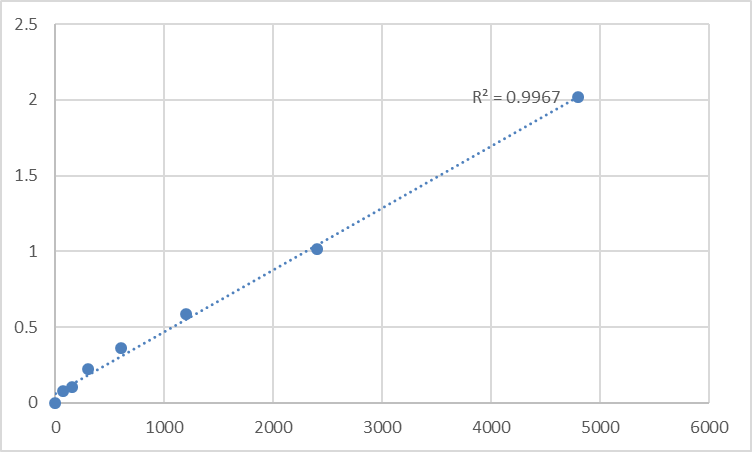
Technical specifications that actually matter: detection sensitivity of 0.03 ng/mL, detection range of 0.078-5 ng/mL, intra-assay precision <8%, inter-assay precision <10%, sample volume requirement of just 50-100 μL. The kit includes pre-coated 96-well plates, detection antibodies, enzyme conjugate, standards, wash buffer, sample diluent, and detailed protocol—everything needed for immediate implementation without protocol optimization. Storage stability of 12 months at 4°C ensures long-term reliability for multi-experiment studies.
The high-throughput screening capability is transforming preclinical drug safety assessment. Pharmaceutical companies are using this cTn-T ELISA kit to screen hundreds of compounds for cardiotoxic potential in rat models. The combination of ultra-sensitivity, rapid processing (just 2.5 hours total assay time), and automated analysis enables screening campaigns that would have required weeks using traditional histological methods to be completed in days. One recent study evaluated 200 drug candidates for cardiotoxic potential in just two weeks, identifying fifteen previously unknown compounds with significant cardiac injury liability.
Standardization is the unsung hero of reproducible cardiovascular research. For years, comparing cTn-T data across studies has been nearly impossible due to inconsistent methods, different antibody pairs, and variable units. The Rat Cardiac Troponin T (cTn-T) ELISA Kit reports results in standardized ng/mL units with built-in calibration curves traceable to reference materials, ensuring reproducibility across different laboratories and experimental setups. This standardization is crucial for pharmaceutical companies developing cardiovascular therapeutics who need to compare compound effects across multiple research sites and regulatory submissions.
Real-time kinetic monitoring capability reveals cardiac injury dynamics that single timepoint measurements completely miss. Cardiac injury isn't static—it involves rapid cTn-T release, peak concentrations, and gradual clearance that unfold over hours to days following myocardial damage. The rapid 2.5-hour assay time enables multiple measurements throughout injury timecourses, capturing these dynamic patterns that single endpoint assays overlook. Simply process samples at 1, 3, 6, 12, and 24 hours following ischemic injury and watch cTn-T kinetics unfold, revealing insights into injury severity, therapeutic intervention timing, and cardiac repair processes that were previously invisible.
The multiplexing potential extends beyond simple cTn-T quantification. Compatible with other cardiac biomarkers, the Rat Cardiac Troponin T (cTn-T) ELISA Kit can be combined with cardiac troponin I (cTn-I) detection, creatine kinase-MB (CK-MB) measurement, brain natriuretic peptide (BNP) quantification, or inflammatory cytokine analysis to create comprehensive cardiac injury profiles. Recent studies have successfully multiplexed cTn-T quantification with other cardiac biomarkers to investigate the relationship between myocardial injury severity and inflammatory response, or with echocardiography to correlate biomarker levels with functional cardiac parameters.
Don't let outdated cardiac biomarker detection methods compromise your cardiovascular research validity. The Rat Cardiac Troponin T (cTn-T) ELISA Kit represents the convergence of cardiac-specific antibody precision, ultra-sensitivity capability, and interference elimination that researchers have been demanding for decades. Whether you're developing cardiovascular therapeutics, studying myocardial infarction mechanisms, screening drug compounds for cardiotoxicity, or investigating cardiac remodeling processes, this technology provides the sensitive, specific, and publication-quality data you need to advance your science and make meaningful contributions to cardiovascular research.
Discover Abbkine's complete cardiovascular research portfolio:
https://www.abbkine.com/product/rat-cardiac-troponin-t-ctn-t-elisa-kit-kte100060/





