




The Apoptosis Sentinel: Empower Your Research with High-Fidelity Bcl-2 Polyclonal Antibody
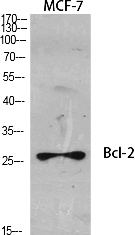
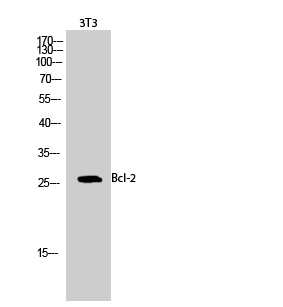
Within the intricate dance of cellular life and death, a family of proteins holds the ultimate power to decide a cell's fate, with B-cell lymphoma 2 (Bcl-2) standing as its founding and most influential member. This crucial regulator of programmed cell death, or apoptosis, functions as a master guardian, preventing the activation of the cell's intrinsic suicide machinery. By inhibiting pro-apoptotic proteins like Bax and Bak at the mitochondrial membrane, Bcl-2 maintains cellular survival, a role indispensable during development but perilous when dysregulated. Its discovery as an oncogene in follicular lymphoma unveiled a fundamental truth: cancer cells often hijack Bcl-2's pro-survival function to achieve immortality, resisting chemotherapy and radiation. Consequently, Bcl-2 has become a central figure not only in cancer biology but also in understanding autoimmune diseases, neurodegenerative disorders, and ischemic injuries, where aberrant apoptosis is a key pathological driver. To dissect these complex pathways, researchers require tools of uncompromising quality. The Bcl-2 Polyclonal Antibody (ABP50759) from Abbkine is precisely such a tool—a rigorously validated, high-affinity reagent designed for the specific and sensitive detection of endogenous Bcl-2 protein across a wide array of applications, including Western Blot (WB), Immunohistochemistry (IHC), Immunofluorescence (IF), and ELISA. This antibody empowers scientists to accurately map Bcl-2 expression, unravel its regulatory networks, and evaluate its role as a therapeutic target.
Bcl-2: The Master Regulator Balancing Cellular Life and Death
Bcl-2 operates at the pivotal checkpoint of the intrinsic apoptotic pathway, primarily localized to the outer mitochondrial membrane, endoplasmic reticulum, and nuclear envelope. It belongs to a larger family of proteins characterized by Bcl-2 homology (BH) domains. As a pro-survival member, Bcl-2 functions by directly binding and neutralizing its pro-apoptotic counterparts, such as Bax and Bak, thereby preventing mitochondrial outer membrane permeabilization (MOMP). This event is the point of no return in apoptosis, as it leads to cytochrome c release, caspase activation, and systematic cellular dismantling. The delicate balance between pro-survival (like Bcl-2, Bcl-xL) and pro-apoptotic (like Bax, Bak, Bad) proteins determines a cell's susceptibility to death signals, including DNA damage, growth factor withdrawal, and oncogenic stress. Overexpression of Bcl-2 is a hallmark of numerous cancers, including non-Hodgkin lymphomas, chronic lymphocytic leukemia, and solid tumors like prostate and lung cancer, where it confers a potent survival advantage and resistance to treatment. Conversely, insufficient Bcl-2 activity is implicated in excessive cell death seen in neurodegenerative conditions like Alzheimer's and Parkinson's diseases, as well as in ischemic stroke and autoimmune disorders. This dual role in promoting pathological survival and preventing necessary cell death makes Bcl-2 a protein of immense research and therapeutic interest. Precise detection of its expression levels, cellular localization, and interaction states is therefore fundamental for understanding disease mechanisms, developing prognostic biomarkers, and validating the efficacy of novel therapies like BH3 mimetics (e.g., Venetoclax) designed to inhibit its function.
A Trusted Companion for Apoptosis Research: The Abbkine Bcl-2 Polyclonal Antibody
The Abbkine Bcl-2 Polyclonal Antibody (ABP50759) is a high-quality immunological reagent generated by immunizing hosts with a synthetic peptide corresponding to a specific region of human Bcl-2 protein. This strategic immunogen design ensures the resulting polyclonal antibody pool recognizes a defined epitope with high affinity. The antibody is then affinity-purified from antiserum, significantly enhancing its specificity by removing non-specific immunoglobulins, resulting in a cleaner signal with lower background in demanding applications. It is offered as a liquid solution in PBS with 0.02% sodium azide and 50% glycerol, ensuring long-term stability when stored at -20°C. A key strength of this antibody is its broad species reactivity, having been validated for use with samples from human, mouse, and rat origins, which covers the most prevalent model systems in biomedical research.
Robust Validation for Diverse Techniques:
• Western Blot (WB): The antibody reliably detects Bcl-2 at its predicted molecular weight of approximately 26 kDa in various whole cell lysates and tissue extracts. Recommended working dilutions typically range from 1:500 to 1:2000, allowing for optimization based on sample abundance.
• Immunohistochemistry (IHC) & Immunofluorescence (IF): For spatial resolution of Bcl-2 expression within the complex architecture of tissues like lymph nodes, tumors, or brain sections, this antibody performs excellently on paraffin-embedded (IHC-P) and frozen sections, as well as in cultured cells (IF). It produces clear, specific staining, often showing a cytoplasmic and perinuclear pattern consistent with Bcl-2's localization to mitochondria and ER membranes. Suggested dilutions for IHC/IF usually start around 1:50 to 1:200.
• Enzyme-Linked Immunosorbent Assay (ELISA): The antibody is suitable for quantitative applications, enabling precise measurement of Bcl-2 protein concentration in samples like cell lysates or possibly biological fluids, with a recommended starting dilution around 1:5000.
This multi-platform validation makes ABP50759 a versatile and dependable choice for comprehensive apoptosis research programs.
Key Features and Advantages for Reliable Detection
• High Specificity and Sensitivity: The affinity-purified polyclonal antibody offers excellent specificity for Bcl-2, with minimal cross-reactivity to other closely related Bcl-2 family members (like Bcl-xL or Mcl-1) when used under optimized conditions, ensuring accurate interpretation of results.
• Broad Application Compatibility: Ready-to-use and validated for WB, IHC, IF, and ELISA, this single antibody supports a wide range of experimental workflows—from quantifying total protein expression to visualizing its subcellular distribution and tissue-specific expression patterns.
• Consistent Performance Across Species: Its confirmed reactivity with human, mouse, and rat samples facilitates translational research, allowing findings from rodent models to be directly correlated with human disease biology.
• Excellent Signal-to-Noise Ratio: The purification process and optimized formulations contribute to low background and high target-specific signal, which is crucial for detecting Bcl-2 in samples where expression may be low or in complex tissue backgrounds.
• Reproducible Results: Manufactured under stringent quality control, the antibody ensures lot-to-lot consistency, a critical factor for longitudinal studies, multi-center research, and generating reliable, publishable data.
• Backed by Abbkine's Expertise: As part of Abbkine's portfolio of research antibodies, this product is supported by a commitment to quality and reliability, providing researchers with a trusted tool to advance their investigations.
Driving Discovery Across Multiple Research Fields
- Cancer Research & Oncology: Investigate Bcl-2 overexpression as a diagnostic or prognostic marker in tumor biopsies. Study mechanisms of chemoresistance and evaluate the efficacy of novel Bcl-2 inhibitors (BH3 mimetics) in preclinical cancer models by monitoring changes in Bcl-2 expression or complex formation.
- Neuroscience & Neurodegeneration: Examine the role of diminished Bcl-2 expression or function in neuronal vulnerability in models of Alzheimer's, Parkinson's, ALS, and ischemic stroke. Explore neuroprotective strategies aimed at upregulating or stabilizing Bcl-2.
- Immunology & Autoimmunity: Analyze Bcl-2 expression in lymphocyte subsets to understand its role in immune cell homeostasis, clonal selection, and the pathogenesis of autoimmune diseases where defective apoptosis leads to autoreactive cell persistence.
- Developmental Biology: Map the spatiotemporal expression of Bcl-2 during embryonic development and tissue morphogenesis to understand its role in regulating programmed cell death essential for shaping tissues and organs.
- Drug Discovery & Toxicology: Utilize Bcl-2 detection as a biomarker for compound screening in assays designed to identify pro-apoptotic agents for cancer therapy or to assess potential organ toxicity caused by unintended induction of apoptosis.
- Basic Cell Biology: Employ the antibody in co-immunoprecipitation (Co-IP) or proximity ligation assays (PLA) to study protein-protein interactions between Bcl-2 and other family members (e.g., Bax, Bad, BIM) under different physiological or stress conditions.
Streamlined Experimental Workflow
For Western Blot, prepare protein extracts from your samples (e.g., cancer cell lines, treated tissues). After electrophoresis and transfer, block the membrane and incubate with the Bcl-2 polyclonal antibody at a dilution of 1:1000 overnight at 4°C. Following thorough washes, incubate with an HRP-conjugated secondary antibody (e.g., anti-rabbit IgG). Detect the specific band at ~26 kDa using a sensitive chemiluminescent substrate.
For Immunohistochemistry on FFPE sections, after deparaffinization and antigen retrieval (e.g., using citrate-based buffer), block endogenous peroxidase and non-specific sites. Incubate sections with the Bcl-2 antibody at a dilution of 1:100 for 1 hour at room temperature or overnight at 4°C. Proceed with an HRP-based detection system (e.g., polymer-based) using DAB as the chromogen, followed by counterstaining with hematoxylin to visualize nuclei.
For Immunofluorescence in cultured cells, fix and permeabilize cells, block, and then incubate with the Bcl-2 antibody (e.g., 1:200 dilution), followed by a fluorophore-conjugated secondary antibody (e.g., Alexa Fluor 488). Co-stain with organelle markers (e.g., Mitotracker for mitochondria) and DAPI for nuclei to confirm subcellular localization.
Why This Antibody is a Cornerstone for Apoptosis Studies
In the critical field of cell death research, where precise protein detection can define a mechanistic insight, the Abbkine Bcl-2 Polyclonal Antibody (ABP50759) delivers reliability, versatility, and specificity. Its robust validation across key techniques allows researchers to approach their questions with confidence, whether they are profiling Bcl-2 expression in patient samples, validating knockdown/overexpression in cell models, or exploring its complex interactions. By providing a clear and specific window into the expression and localization of this pivotal survival protein, this antibody serves as an essential tool for unraveling the complexities of apoptotic regulation in health and disease, ultimately contributing to the development of novel therapeutic strategies. Equip your lab with a reagent that matches the importance of your research into the fundamental mechanisms of life and death.
Product Reference: ABP50759 – Bcl-2 Polyclonal Antibody
Learn more and order: https://www.abbkine.com/product/bcl-2-polyclonal-antibody-abp50759/





