




SPRR2A Unveiled: The Dual-Function Protein at the Crossroads of Barrier Integrity and Cancer Progression – Your Essential Quantification Tool
In the intricate landscape of human biology, few proteins embody the critical link between fundamental physiological defense and complex disease pathology as strikingly as Small Proline-Rich Protein 2A (SPRR2A). Traditionally recognized as a cornerstone of the epidermal differentiation complex, SPRR2A is a key structural component of the cornified envelope, providing the frontline barrier that protects skin from dehydration, mechanical stress, and microbial invasion . However, cutting-edge research has dramatically expanded its narrative, revealing SPRR2A as a dynamic and context-dependent player in cancer biology, immune regulation, and metabolic disorders . Its expression is frequently dysregulated in cancers like gastric carcinoma and esophageal squamous cell carcinoma (ESCC), where it can act as a non-invasive serum biomarker for diagnosis and prognosis . Simultaneously, it functions as a novel intestinal antimicrobial protein, shaping the gut microbiota and defending against bacterial translocation . For researchers dissecting the mechanisms of epithelial homeostasis, tumor metastasis, or host-pathogen interactions, precisely quantifying SPRR2A protein levels is no longer a niche measurement but a fundamental necessity. The Human Small Proline-Rich Protein 2A (SPRR2A) ELISA Kit (KTE60348) from Abbkine is meticulously designed to meet this critical need, offering a highly sensitive, specific, and robust sandwich immunoassay for the accurate detection of human SPRR2A in serum, plasma, cell culture supernatants, and tissue lysates . Whether you are correlating serum SPRR2A levels with gastric cancer staging, investigating its role in driving epithelial-mesenchymal transition (EMT) in ESCC, studying its antimicrobial function in gut models, or exploring its downregulation in diabetic saliva, this kit provides the reliable quantitative data essential for validating hypotheses and driving discoveries from bench to potential bedside.
The Janus Face of SPRR2A: Guardian of Barriers and Modulator of Malignancy
SPRR2A belongs to the small proline-rich protein family, encoded within the epidermal differentiation complex on chromosome 1q21.3 . Its primary and namesake role is in terminal differentiation of keratinocytes, where it is cross-linked by transglutaminases to form the resilient cornified cell envelope, an essential structure for skin barrier integrity . Beyond the skin, SPRR2A is expressed in other stratified squamous epithelia, including the esophagus and oral mucosa, serving similar protective functions . Intriguingly, SPRR2A has been identified as a potent antimicrobial protein (AMP) in the intestine, selectively targeting Gram-positive bacteria and playing a crucial role in maintaining mucosal barrier function during helminth infections . In stark contrast to its protective roles, SPRR2A exhibits a complex, often paradoxical relationship with cancer. In gastric cancer (GC), serum levels of SPRR2A are significantly elevated and show promise as a complementary diagnostic biomarker, especially when combined with CEA, and may predict postoperative prognosis . Mechanistically, in GC cells, SPRR2A can promote proliferation and migration, potentially by inhibiting p53 acetylation and facilitating EMT . Conversely, in esophageal squamous cell carcinoma (ESCC), proteomic studies frequently identify SPRR2A as a downregulated protein associated with the loss of squamous phenotype . Yet, functional studies within the tumor microenvironment reveal a nuanced picture: SPRR2A+ malignant epithelial cells can secrete factors like TGF-β and IL-6 to activate cancer-associated fibroblasts (CAFs), promoting matrix remodeling and tumor progression . This duality—acting as a barrier protein, an antimicrobial agent, and a context-dependent regulator of tumor behavior—makes accurate SPRR2A quantification vital for unraveling its precise contributions in health and disease.
Assay Principle: Precision Through Sandwich ELISA Technology
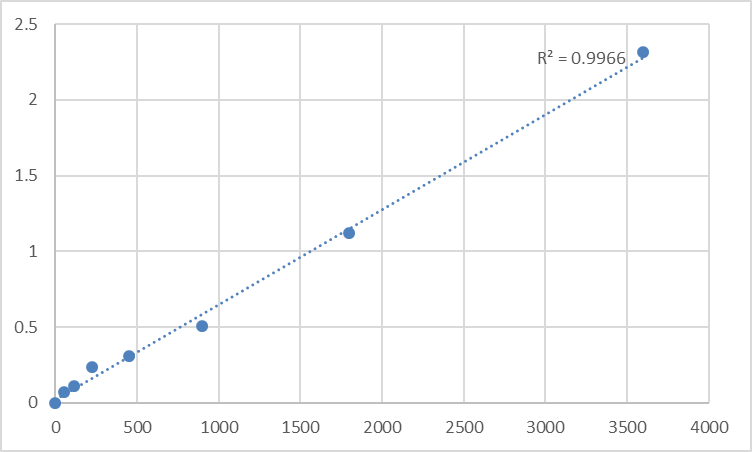
The Abbkine Human SPRR2A ELISA Kit is based on the well-established and highly specific sandwich enzyme-linked immunosorbent assay (ELISA) principle . A monoclonal antibody specific for human SPRR2A is pre-coated onto the wells of a 96-well microplate. During the assay, standards or samples containing SPRR2A are added to the wells, and the target protein binds to the immobilized capture antibody. After washing to remove unbound materials, a biotin-conjugated polyclonal antibody specific for SPRR2A is added, which binds to a different epitope on the captured SPRR2A molecule, forming a "sandwich" complex. Following another wash, Streptavidin-Horseradish Peroxidase (SA-HRP) conjugate is added, which binds with high affinity to the biotin on the detection antibody. After a final wash to remove any unbound conjugate, a TMB (3,3',5,5'-Tetramethylbenzidine) substrate solution is added. The HRP enzyme catalyzes the conversion of the colorless TMB into a blue product, which turns yellow upon addition of a stop solution. The intensity of the yellow color, measured at 450 nm, is directly proportional to the amount of SPRR2A captured in the initial step. A standard curve generated from known concentrations of recombinant human SPRR2A allows for the precise interpolation of SPRR2A concentration in unknown samples .
Key Features and Performance Specifications of the KTE60348 Kit
• High Sensitivity and Broad Dynamic Range: The kit exhibits excellent sensitivity, with a minimum detectable dose typically less than 0.057 ng/mL, enabling the detection of SPRR2A even at low concentrations in biological fluids . It offers a wide quantitative range (e.g., 0.156-10 ng/mL), suitable for measuring SPRR2A across diverse sample types from normal to pathological conditions .
• Excellent Specificity: The antibody pair is rigorously validated to ensure high specificity for human SPRR2A, with no significant cross-reactivity observed with analogous proteins, guaranteeing that the measured signal accurately reflects SPRR2A concentration .
• Superior Precision and Reproducibility: The assay demonstrates outstanding intra-assay and inter-assay precision, with coefficients of variation (CV) typically below 10% and 12% respectively, ensuring consistent and reliable results across multiple experiments and operators .
• Validated for Multiple Sample Matrices: The kit protocol is optimized and validated for use with a variety of sample types, including human serum, plasma (EDTA, heparin, citrate), cell culture supernatants, tissue homogenates, and other biological fluids, providing maximum flexibility for experimental design .
• Streamlined and Time-Efficient Protocol: The complete assay can be performed in approximately 3-4 hours, featuring a user-friendly procedure with clear steps for sample addition, incubation, washing, and detection, allowing researchers to obtain results within a single workday .
• Ready-to-Use Components: The kit is supplied as a complete set containing all necessary reagents—pre-coated microplate, standards, detection antibodies, conjugates, buffers, substrate, and stop solution—pre-formulated and quality-controlled for convenience and consistency .
• Robust Stability: Components maintain stability when stored as recommended, with performance guaranteed throughout the shelf life, minimizing waste and ensuring reliable long-term use .
Critical Research Applications Enabled by the SPRR2A ELISA Kit
- Cancer Biomarker Research: Quantify SPRR2A levels in patient serum or plasma to evaluate its diagnostic and prognostic value in gastric cancer, esophageal squamous cell carcinoma, head and neck cancers, and other malignancies . Investigate the correlation between circulating SPRR2A, tumor stage, metastasis, and patient survival outcomes.
- Tumor Biology and Microenvironment Studies: Measure SPRR2A expression and secretion in cancer cell lines and tumor tissue lysates to elucidate its functional role in EMT, cell migration, invasion, and crosstalk with stromal cells like cancer-associated fibroblasts .
- Epithelial Biology and Barrier Function Research: Study SPRR2A dynamics in models of keratinocyte differentiation, skin barrier formation, and wound healing. Investigate its role in inflammatory skin diseases like psoriasis or atopic dermatitis, where its expression may be altered .
- Mucosal Immunology and Host Defense: Explore the antimicrobial function of SPRR2A in intestinal and oral mucosal models. Assess its expression in response to bacterial infection, helminth challenge, or during conditions of barrier disruption, such as in type 2 diabetes where salivary SPRR2A is reduced .
- Drug Discovery and Therapeutic Monitoring: Utilize the ELISA as a pharmacodynamic readout in preclinical studies to monitor changes in SPRR2A levels following treatment with drugs targeting epithelial differentiation, cancer pathways, or barrier repair mechanisms.
Streamlined Workflow: From Sample to Quantitative Result
Step 1: Preparation. Bring all reagents and samples to room temperature. Prepare serial dilutions of the provided recombinant SPRR2A standard. Prepare samples (serum, plasma, supernatant, lysate) as recommended, typically requiring minimal dilution.
Step 2: Assay Procedure. Add 100 µL of standard or sample to the appropriate wells of the pre-coated plate. Cover and incubate (e.g., 1-2 hours at 37°C). Aspirate and wash each well. Add 100 µL of the biotin-conjugated detection antibody working solution to each well. Incubate (e.g., 1 hour at 37°C) and wash. Add 100 µL of the Streptavidin-HRP working solution. Incubate (e.g., 30 minutes at 37°C) and perform a final wash. Add 90 µL of TMB Substrate Solution to each well. Incubate in the dark (e.g., 10-20 minutes at 37°C) until optimal blue color develops.
Step 3: Detection and Analysis. Add 50 µL of Stop Solution to each well, changing the color from blue to yellow. Measure the optical density (OD) of each well at 450 nm using a microplate reader within 30 minutes. Generate a standard curve by plotting the mean OD versus the concentration of the standards. Use this curve to calculate the concentration of SPRR2A in unknown samples.
Why the Abbkine Human SPRR2A ELISA Kit is Indispensable for Your Research
• Navigate Complexity with Confidence: The kit's high specificity ensures you accurately measure SPRR2A amidst complex biological matrices, providing clear answers about its role as a barrier protein, antimicrobial factor, or cancer modulator.
• Capture Biologically Relevant Changes: The exceptional sensitivity allows for the reliable detection of SPRR2A across its physiological and pathological concentration ranges, enabling studies in serum, tissue, and cell culture models.
• Generate Publication-Ready Data: The excellent precision and reproducibility deliver robust, statistically significant results that form a solid foundation for high-impact publications in cancer research, immunology, and dermatology.
• Accelerate Discovery with a Ready Solution: The optimized, complete kit format saves valuable time on method development and reagent optimization, allowing you to focus on experimental design and data interpretation.
Bridge the gap between epithelial barrier science and cancer biology. The Abbkine Human Small Proline-Rich Protein 2A (SPRR2A) ELISA Kit (KTE60348) is your trusted partner for precise, reliable, and efficient quantification of this multifaceted protein, empowering your research into its diverse roles in health and disease.
Product Reference: KTE60348 – Human Small Proline-Rich Protein 2A (SPRR2A) ELISA Kit
Learn more and order: https://www.abbkine.com/product/human-small-proline-rich-protein-2a-sprr2a-elisa-kit-kte60348/





