




Human Synaptogyrin-3 (SYNGR3) ELISA Kit — Application Scenarios for Neuroscience and Traumatic Brain Injury Research
SYNGR3: A Key Player in Synaptic Vesicle Trafficking
Synaptogyrin-3 (SYNGR3) is a member of the synaptogyrin family of integral membrane proteins associated with synaptic vesicles. These proteins play important roles in synaptic vesicle trafficking, neurotransmitter release, and synaptic plasticity. SYNGR3 is expressed in the brain and is involved in the regulation of synaptic function.
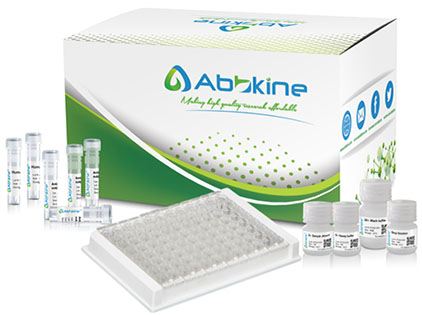
Abbkine's Human Synaptogyrin-3 (SYNGR3) ELISA Kit (KTE60419) provides researchers with a sensitive, specific, and reliable tool for quantifying this important synaptic protein in human samples[reference:25]. With 2 publications citing this kit — including research in the Journal of Neurotrauma (IF: 4) — it's a trusted tool in the neuroscience community[reference:26]. Here's how researchers across different fields are putting it to work.
Traumatic Brain Injury Research: Neuron-Derived Exosome Proteins
SYNGR3 has emerged as a biomarker of neuronal injury in traumatic brain injury (TBI). Researchers have used this kit to quantify SYNGR3 in neuron-derived plasma exosomes following remote TBI[reference:27]. This application demonstrates the kit's utility in:
- Quantifying SYNGR3 in plasma exosome preparations
- Monitoring neuronal injury and recovery following brain trauma
- Identifying biomarkers for TBI diagnosis and prognosis
- Studying the molecular consequences of traumatic brain injury
The high sensitivity of this kit — with a limit of detection of 1.0 pg/mL[reference:28] — makes it ideal for detecting low-abundance SYNGR3 in precious clinical samples like plasma exosomes.
Synaptic Biology and Neurotransmission Research
SYNGR3 is involved in synaptic vesicle trafficking and neurotransmitter release. Researchers studying synaptic biology use this kit to:
- Quantify SYNGR3 in synaptic vesicle preparations
- Monitor SYNGR3 expression in neuronal cell culture models
- Study the role of SYNGR3 in short-term synaptic plasticity
- Investigate SYNGR3's involvement in vesicle recycling and fusion
Neurodegenerative Disease Research
Synaptic dysfunction is a hallmark of neurodegenerative diseases. Researchers in this field use this kit to:
- Quantify SYNGR3 in neurodegenerative disease models
- Monitor synaptic protein levels in Alzheimer's disease and Parkinson's disease
- Study the role of synaptic vesicle proteins in neurodegeneration
- Identify synaptic biomarkers for neurodegenerative disorders
Why Choose This Kit for Your SYNGR3 Research?
| Feature | Benefit |
|---|---|
| Sandwich ELISA | Quantitative, specific detection[reference:29] |
| Human reactivity | Directly applicable to human samples[reference:30] |
| Multiple sample types | Serum, plasma, cell culture supernatants[reference:31] |
| Ultra-high sensitivity | 1.0 pg/mL LOD[reference:32] |
| Calibration range | 20–320 pg/mL[reference:33] |
| Published validation | 2 publications, including Journal of Neurotrauma[reference:34] |
| Complete components | Ready-to-use — no additional reagents needed |
Kit Components at a Glance[reference:35]
- Human SYNGR3 microplate
- Human SYNGR3 standard
- HRP-Conjugate Human SYNGR3 detection antibody[reference:36]
- Chromogen solution[reference:37]
- Other buffers and reagents
🔬 Which research field does your work belong to?
Traumatic Brain Injury | Synaptic Biology | Neurodegenerative Disease | Other
Share your application with us — we'd love to hear how you're using this kit in your studies!
📌 Reference Link: Human Synaptogyrin-3 (SYNGR3) ELISA Kit — KTE60419





