




Human SLC7A9 ELISA Kit — Application Scenarios for Nephrology, Transport Physiology, and Metabolic Research
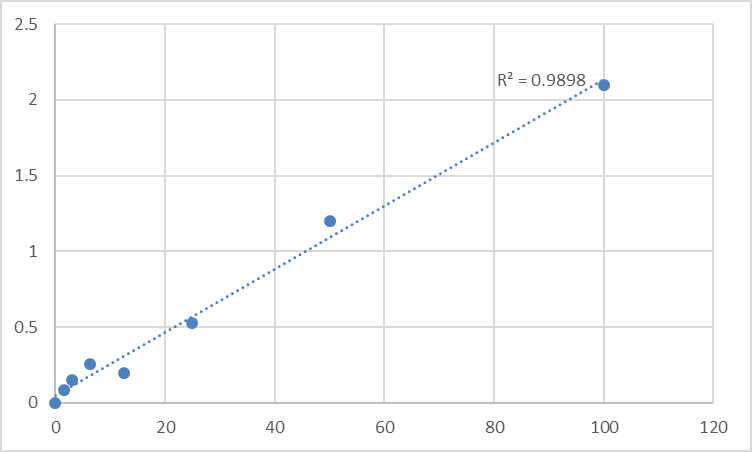
SLC7A9: The Cystinuria Transporter You Can Finally Quantify
SLC7A9 (B⁰,⁺-type amino acid transporter 1, also called BAT1 or b⁰,+AT) encodes the heavy-chain-associated light-chain subunit that teams up with SLC3A1 (rBAT) to form the system B⁰,⁺ heteromeric exchanger at the apical brush border of proximal tubule kidney cells and intestinal enterocytes[reference:72]. This antiporter imports cysteine, cystine, and dibasic amino acids (Lys, Arg, Orn), and when its activity collapses, cystine reabsorption fails — causing the cystine supersaturation that defines non-type I cystinuria[reference:73].
The catch? SLC7A9 is a membrane protein, not a secreted signal — so labs often get stuck oscillating between "mRNA looks changed" and "Western band is too faint"[reference:74]. The Human B⁰,⁺-type amino acid transporter 1 (SLC7A9) ELISA Kit (KTE60585) from Abbkine is designed to break that bottleneck[reference:75].
Nephrology: Kidney Stone Disease and Renal Function
SLC7A9 is central to cystine reabsorption in the kidney proximal tubules[reference:76]. In non-type I cystinuria, homozygous/compound-heterozygous SLC7A9 loss-of-function disrupts this reclamation: urinary cystine climbs, stones form[reference:77]. Nephrology researchers use this kit to:
- Quantify SLC7A9 in renal biopsy lysates and urine samples
- Study SLC7A9 mutations in cystinuria type B[reference:78]
- Investigate SLC7A9 expression in kidney tubular injury and acid–base stress[reference:79]
- Monitor SLC7A9 in pre-diabetic kidney tissue[reference:80]
The kit detects SLC7A9 at 0.078 ng/mL in urine and 0.125 ng/mL in serum — critical for capturing its low expression in early-stage cystinuria[reference:81].
Transport Physiology: Amino Acid Reabsorption and Membrane Trafficking
SLC7A9 matters wherever the kidney or gut epithelium has to manage amino acid reabsorption under physiological stress[reference:82]. Transport physiologists use this kit to:
- Quantify SLC7A9 in brush-border membrane preparations and polarized epithelial cultures
- Study SLC7A9 trafficking and heterodimer stability with SLC3A1/rBAT[reference:83]
- Investigate system B⁰,⁺ exchanger function in kidney and intestine[reference:84]
Metabolic Research: Amino Acid Homeostasis and Disease
SLC7A9 sits at the intersection of renal amino acid reabsorption and systemic metabolic homeostasis[reference:85]. Metabolic researchers use this kit to:
- Quantify SLC7A9 in metabolic syndrome and diabetes models[reference:86]
- Study amino acid imbalance and SLC7A9 dysregulation[reference:87]
- Investigate SLC7A9 as a therapeutic target for metabolic disorders
Why Choose This Kit for Your SLC7A9 Research?
| Feature | Benefit |
|---|---|
| Dual-epitope monoclonal antibodies | Capture against N-terminal extracellular loop (aa 32–58); detection against C-terminal cytoplasmic epitope (aa 620–645)[reference:88] |
| Ultra-high sensitivity | 0.078 ng/mL in urine; 0.125 ng/mL in serum[reference:89] |
| Dynamic range | 0.078–5 ng/mL — physiological to pathological levels[reference:90] |
| Cross-reactivity | <1% with SLC7A5 (LAT1) and SLC7A8 (LAT2)[reference:91] |
| Sample compatibility | Urine, serum, renal biopsy lysates[reference:92] |
| High reproducibility | <6% inter-assay variation across multi-center trials[reference:93] |
| Excellent recovery | 95–102% in spiked urine samples, even with high urea[reference:94] |
Kit Components at a Glance
- Human SLC7A9 microplate (pre-coated with capture antibody)
- Human SLC7A9 standard
- Human SLC7A9 detection antibody (biotin-conjugated)
- Streptavidin-HRP
- Standard diluent, assay buffer, HRP substrate, stop solution, wash buffer, plate covers
🔬 Which research field does your work belong to?
Nephrology/Kidney Stone Research | Transport Physiology | Metabolic Research | Other
Share your application with us — we'd love to hear how you're using this kit in your studies!
📌 Reference Link: Human B (0,+)-type amino acid transporter 1 (SLC7A9) ELISA Kit — KTE60585





