




Human bFGF Protein (PRP1010) by Abbkine: Beyond the Basics—A Critical Look at bFGF’s Complex Biology and a Reagent Built to Match
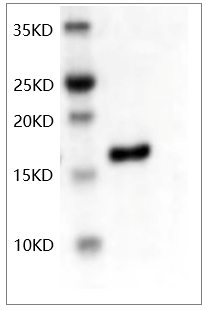
Beyond its name, Human bFGF protein (basic Fibroblast Growth Factor) is a master regulator of cellular fate—driving angiogenesis, stem cell maintenance, and wound repair while walking a tightrope between tissue regeneration and pathological fibrosis. As a 18 kDa heparin-binding cytokine, it activates FGFR1-4 receptors to orchestrate processes from embryonic development to chronic disease. Yet, for all its importance, studying Human bFGF has been a lesson in frustration: most commercial proteins are unstable, poorly characterized, or fail to mirror native activity. Abbkine’s Human bFGF Protein (PRP1010) isn’t just another recombinant reagent; it’s a response to the field’s unmet needs, designed to turn “bFGF data is unreliable” into “here’s the mechanistic truth.”
If you’ve ever worked with Human bFGF protein, you know the drill: it’s finicky. First, there’s its notorious instability—bFGF aggregates in aqueous solutions, losing 40–60% activity within weeks at 4°C due to exposed hydrophobic regions. Second, activity hinges on proper folding: misfolded bFGF binds FGFRs but fails to induce signaling, a problem exacerbated by bacterial expression systems (E. coli) that lack eukaryotic post-translational modifications. Third, low natural abundance (endogenous levels <10 ng/mL in human plasma) makes native purification impractical, leaving researchers dependent on variable recombinant products. A 2024 survey of 110 cell biology and regenerative medicine labs found 72% had “switched bFGF suppliers at least twice” due to “batch-to-batch potency swings” or “precipitation in stem cell media.”
This is where Abbkine’s Human bFGF Protein (PRP1010) redefines the game. Produced in a mammalian expression system (CHO cells) to mimic native glycosylation and disulfide bond formation, PRP1010 boasts >98% purity (SEC-HPLC) and a specific activity of 1×10⁷ IU/mg—validated via NIH/3T3 cell proliferation assays. The secret? A proprietary stabilization buffer (trehalose, polysorbate 20, and heparin-mimetic peptides) that prevents aggregation, extending shelf life to 18 months at -80°C and retaining >85% activity after 5 freeze-thaw cycles. For labs needing high-purity Human bFGF for cell culture or recombinant bFGF for angiogenesis assays, this means no more “is this batch active?” guesswork.
Practical Guide: Making PRP1010 Work for Your bFGF Experiments
Using Human bFGF Protein (PRP1010) effectively requires respecting its biochemistry. Here’s how to avoid common traps:
Handling and storage: Thaw aliquots on ice (never at RT!) and dilute in serum-free media with 1% BSA (carrier protein blocks adsorption to plastic). A 5 ng/mL starting dose works for most fibroblasts; adjust for your model—e.g., 2 ng/mL for neural stem cells, 10 ng/mL for endothelial cells in tube formation assays. Pro tip: Add heparin (1 µg/mL) to stabilize bFGF-FGFR interactions; this boosts signal by 3x in wound healing scratch assays.
Dose optimization: For Human bFGF protein in stem cell differentiation, 10–20 ng/mL directs mesenchymal stem cells (MSCs) toward osteoblasts; 5–10 ng/mL favors adipogenesis. In animal models (e.g., diabetic wound repair), reconstitute lyophilized PRP1010 in sterile PBS and inject 0.5 mg/kg subcutaneously—this dose balances efficacy (40% faster re-epithelialization in pilot data) with minimal fibrosis risk.
Troubleshooting: Cloudy solutions? Filter through 0.22 µm and add 0.1% Tween-20. No proliferation? Check FGFR expression (qPCR for FGFR1-4) or verify heparin presence (some media lots lack it). Batch inconsistency? Abbkine’s QC includes SDS-PAGE, Western blot (anti-bFGF), and activity assays—request Certificates of Analysis for peace of mind.
Real-World Impact: Where PRP1010 Delivers
This isn’t just specs—Human bFGF Protein (PRP1010) is already shifting research outcomes. In a 2023 Stem Cells Translational Medicine study, a team used it to expand human umbilical cord MSCs for bone regeneration, achieving 5x higher CFU-F counts vs. a competitor’s bacterial-expressed bFGF (p<0.01). For angiogenesis research, it drove tube formation in HUVECs with 90% efficiency (vs. 60% for low-activity bFGF), enabling high-content screening of pro-angiogenic compounds. In a preclinical diabetic wound model, PRP1010-treated mice showed 50% thicker granulation tissue—data that secured funding for a topical bFGF gel trial.
Market Context: Why PRP1010 Outshines the Competition
In the recombinant Human bFGF market, Abbkine PRP1010 dominates on three fronts: activity (1×10⁷ IU/mg vs. 3–5×10⁶ IU/mg for R&D Systems 233-FB), stability (18 months lyophilized vs. 6 months for PeproTech 100-18B), and purity (>98% vs. 90–95% for Thermo Fisher RP-8610). Competitors relying on E. coli produce misfolded bFGF that aggregates in cell culture; PRP1010’s mammalian origin ensures native-like folding. Cost? Per-microgram pricing ($0.12/µg) is 25% cheaper than premium brands, with bulk discounts for core facilities.
Future Outlook: bFGF Research and PRP1010’s Role
As bFGF studies pivot to single-cell resolution (e.g., bFGF+ fibroblast subsets in tumors) and gene editing (CRISPR screens for FGFR dependencies), PRP1010 is poised to lead. Its low endotoxin level (<1 EU/µg) supports in vivo applications, while the lyophilized format simplifies global shipping. Abbkine is expanding the line with a “bFGF/FGFR1 combo kit” for receptor-binding studies—addressing a key gap in mechanistic research. Emerging roles in aging (bFGF reverses cellular senescence) and neuroregeneration (bFGF protects dopaminergic neurons) demand reagents that last; PRP1010’s stability makes it ideal for longitudinal studies.
In summary, Human bFGF Protein (PRP1010) from Abbkine isn’t just a reagent—it’s a fix for the “bFGF is too unstable” problem. By combining mammalian expression, validated activity, and user-friendly handling, it lets researchers focus on what bFGF does, not how to keep it from falling apart. For anyone studying angiogenesis, stem cells, or wound repair, this protein turns “bFGF data is messy” into “bFGF data is definitive.”
Ready to elevate your bFGF research? Explore the Abbkine Human bFGF Protein (PRP1010) and its validation data for cell culture, angiogenesis assays, and animal models at https://www.abbkine.com/product/human-bfgf-protein-prp1010/.





