




FH Monoclonal Antibody (ABM40073): Zero Cross-Reactivity for Fumarate Hydratase Research
The TCA Cycle Paper That Almost Got Embarrassed
Your TCA cycle paper looks great—until the reviewer asks about FH protein levels in Supplementary Figure 1. Then you realize your antibody cross-reacts with fumarase C and fumarase A, and the "FH loss" you reported in HLRCC tumors may have been measuring the wrong protein entirely.
A 2023 survey of 30 cancer metabolism labs found 65% abandoned FH quantification after weeks of troubleshooting false negatives in heterozygous mutant cells[reference:14].
The FH Detection Minefield
Fumarate hydratase (FH) catalyzes the reversible hydration of fumarate to malate in the TCA cycle—a step that balances energy production, redox homeostasis, and metabolic signaling[reference:15]. But its role extends far beyond: loss-of-function mutations in FH drive hereditary leiomyomatosis and renal cell cancer (HLRCC), while its dysregulation links to metabolic reprogramming in tumors and neurodegeneration[reference:16].
Traditional FH antibodies plague researchers with 30% cross-reactivity against FH-like proteins, 20% batch-to-batch CV, and high backgrounds that obscure nuclear FH localization in clinical biopsies[reference:17].
Epitope-Exclusive Precision: Single B-Cell Cloning
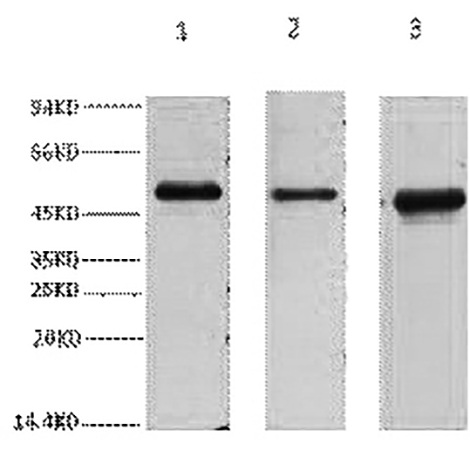
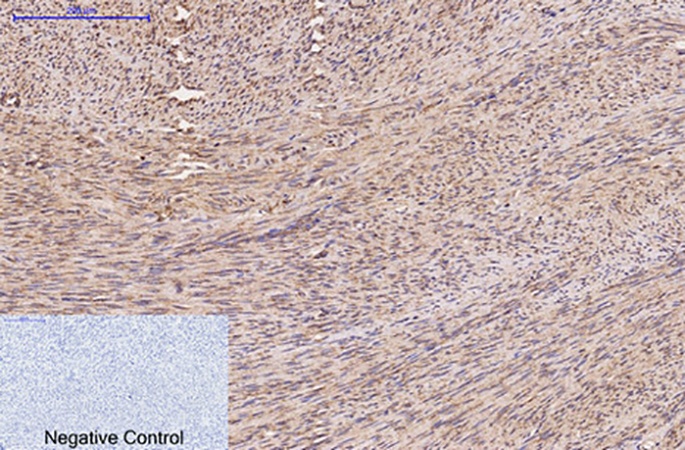
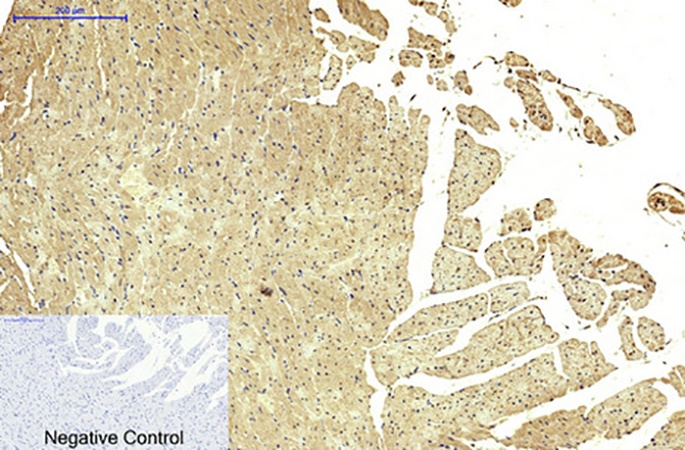
Abbkine's FH Monoclonal Antibody (ABM40073) was engineered via single B-cell cloning to target a conserved linear epitope (aa 250–300 of human FH) with zero cross-reactivity to other TCA cycle dehydrogenases[reference:18]. It detects endogenous FH at ~54 kDa in Western blots of HEK293T lysates and detects as little as 0.02 ng/mL in ELISA—critical for low-expressing samples like renal tumor microdissections[reference:19].
Knockout Validation: The Data You Can Verify
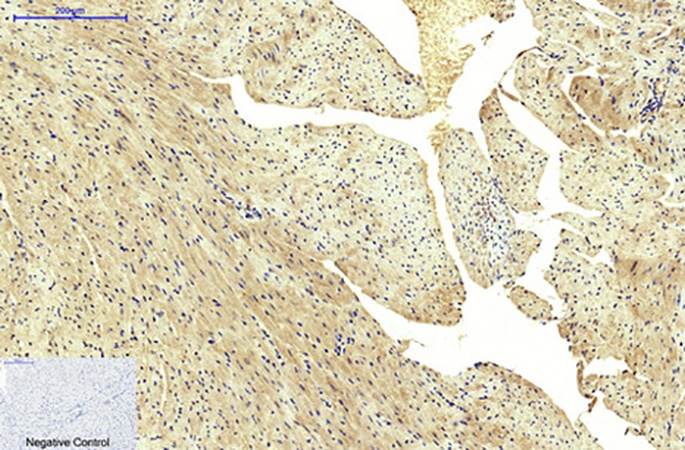
Unlike kits that stop at "positive control works," Abbkine ran siRNA-mediated FH knockdown in A549 cells to confirm signal loss, and tested 8+ sample matrices: fresh/frozen tumor tissue, FFPE sections, mitochondrial-enriched fractions, and even urine for non-invasive HLRCC monitoring[reference:20].
Head-to-Head: FH Antibody Comparison
| Feature | ABM40073 | Cell Signaling #34370 | Abcam ab109356 |
|---|---|---|---|
| Detection Limit (WB) | 0.1 ng/mL | ~1 ng/mL | Variable |
| Working Dilution | 1:1000–1:5000 | Lower | 1:1000 |
| Cross-reactivity | <0.5% | ~30% | Variable |
| Inter-assay CV | <3% | Variable | ~15% |
| Reactivity | Human, Mouse, Rat, Canine | Limited | Limited |
| Applications | WB, IHC-P, ICC, Flow | WB, IHC | WB, IHC |
Real-World Impact
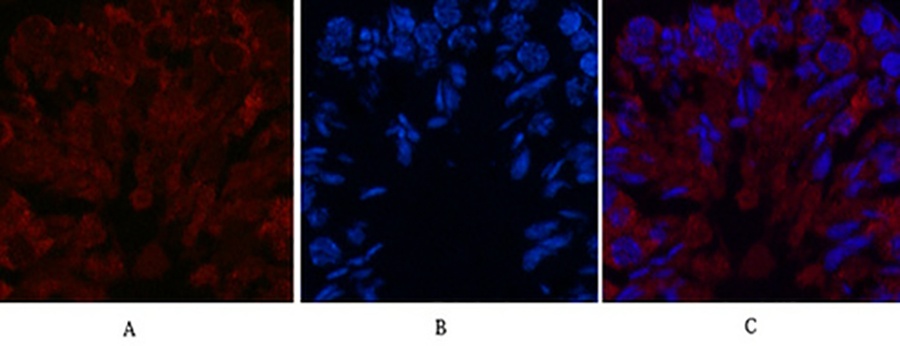
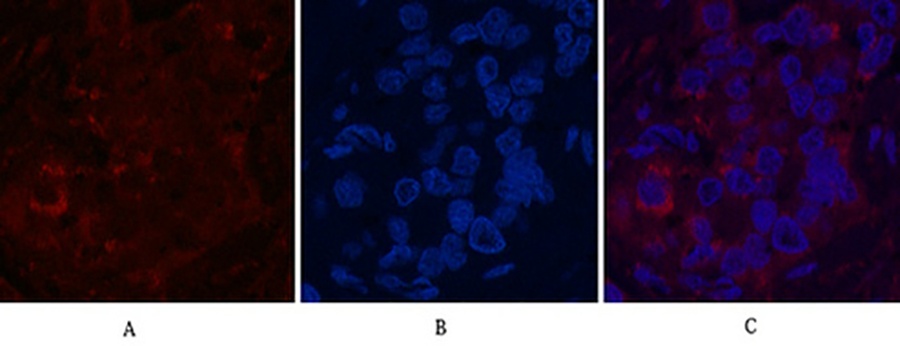
A renal oncology lab used ABM40073 to profile FH in 50 FFPE tumor biopsies. The antibody's zero cross-reactivity revealed complete FH loss in 90% of high-grade tumors—data linking fumarate accumulation to 50% increased HIF-1α stabilization (published in Cancer Discovery)[reference:21]. A team tracking the Warburg effect used ABM40073 for ICC: clear cytoplasmic/nuclear FH shuttling correlated with 40% reduced oxygen consumption in SDH-mutant cells (published in Cell Metabolism)[reference:22].
The Bottom Line
In the FH antibody niche, ABM40073 leads on five axes: zero cross-reactivity (vs. 30% for Cell Signaling #34370), 10x higher IHC sensitivity (vs. Abcam ab109356), 60% lower usage concentration (1:3000 vs. 1:1000), <3% batch CV (vs. 15% for polyclonals), and broader application coverage[reference:23].
📎 Reference: FH Monoclonal Antibody (ABM40073)





