EliKine™ Estradiol ELISA Kit (Cat. No. KTE0003): Calibration and Specificity Compared
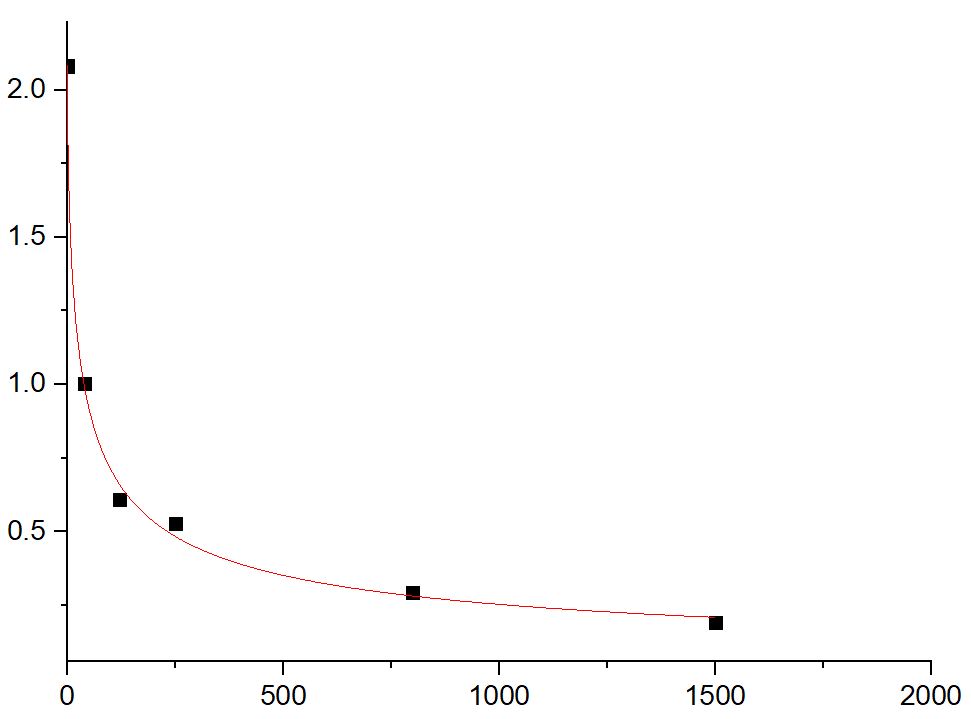
Estradiol is usually measured in the pg/ml range, so a curve that starts too high wastes the samples you care about most. The competitive format is familiar for small steroids; the published calibration range and the antibody's behavior toward related estrogens are what make the assay usable.
The EliKine™ Estradiol ELISA Kit (Cat. No. KTE0003) is a quantitative competitive ELISA with a colorimetric readout. Its microplate is pre-coated with goat-anti-rabbit antibody, and standards or samples compete with HRP-conjugated estradiol for an estradiol-specific antibody. Color develops in the opposite direction to the amount of estradiol in the sample. The page lists a calibration range of 40 pg/ml–1500 pg/ml, a limit of detection of 40 pg/ml, and a working time of 3–4 hours depending on operator experience. Reactivity is listed for donkey and human, with serum, plasma, and other biological fluids as sample types. Alternative names on the page are E2, 17β-estradiol, and estrogen.
A 40–1500 pg/ml Curve for Low-Level Estradiol
The calibration range is 40 pg/ml–1500 pg/ml. The limit of detection is stated separately as 40 pg/ml.
Working at pg/ml concentrations leaves little margin for a curve that begins above the expected sample level. In this competitive format, a sample reading outside the standard range needs dilution before it can be reported against the curve. The three listed sample types — serum, plasma, and other biological fluids — give you a starting point for study design, but the concentration still has to be checked against the published range. The stated 3–4 hour working time covers the multi-step assay and varies with operator experience.
Specificity Against Analogues Is Stated Explicitly
The product page reports that no significant cross-reactivity or interference was observed between estradiol and analogues. Abbkine describes the kit as having high sensitivity and specificity for estradiol detection.
For an estrogen assay, structurally related molecules are the main source of misleading signal, so an explicit cross-reactivity statement is a useful piece of documentation. The competitive reaction uses an antibody specific for estradiol together with HRP-conjugated estradiol. If you are matching literature terms to this kit, note the listed alternatives E2, 17β-estradiol, and estrogen.
Donkey and Human Reactivity, Three Sample Types
Reactivity is listed as donkey and human. The plate is pre-coated, and the working time is 3–4 hours.
The narrower reactivity list is a practical filter: the page notes that antibody reactivity should correspond to the sample species being studied. Kit components include the estradiol microplate, estradiol standard, HRP conjugated estradiol, estradiol detect antibody, HRP substrate A and B, stop solution, wash buffer, and plate covers. Unopened kits are stored at 2–8 °C and shipped with a gel pack and blue ice. The handling notes call for warming reagents to room temperature for at least 30 minutes before opening, avoiding mixed lots, and using fresh pipet tips.
| Feature | This Product | Conventional / typical approach |
|---|---|---|
| Assay format | Competitive ELISA, quantitative, colorimetric | commonly requires a labeled competitor of its own |
| Calibration range | 40 pg/ml–1500 pg/ml | varies by assay and protocol |
| Limit of detection | 40 pg/ml | varies by assay and protocol |
| Reactivity | Donkey, Human | should be checked against the sample species |
| Cross-reactivity | No significant cross-reactivity or interference with analogues observed | each antibody and sample set needs its own check |
If your samples fall within 40 pg/ml–1500 pg/ml and come from a listed species or sample type, this kit gives you a documented curve and detection limit to plan around. Check the full product page before ordering: https://www.abbkine.com/product/elikine-estradiol-elisa-kit-kte0003/
Reference: https://www.abbkine.com/product/elikine-estradiol-elisa-kit-kte0003/
For research use only. Not for diagnostic or therapeutic use.