




EGF Polyclonal Antibody (ABP0189): Unraveling the Growth Factor's Complex Biology with Precision
The EGF Detection Challenge: Low Abundance, High Cross-Reactivity
Epidermal Growth Factor (EGF) is a master regulator of epithelial cell fate, woven into the fabric of wound healing, embryonic development, and tumor progression. This 53-amino-acid peptide binds EGFR to trigger cascades of proliferation, migration, and survival[reference:10].
Yet studying EGF is complicated by low abundance in vivo, structural similarity to other EGF family members (TGF-α, amphiregulin, betacellulin), and susceptibility to degradation in clinical samples[reference:11]. A 2024 survey found that 69% of cell biologists had abandoned at least one EGF antibody due to inconsistent results[reference:12].
Polyclonal Design: Mimicking the Immune System's Natural Recognition
Abbkine's approach to the EGF Polyclonal Antibody (ABP0189) was rooted in a simple premise: mimic the immune system's natural ability to recognize complexity[reference:13]. Raised in rabbits immunized with recombinant human EGF conjugated to a carrier protein, the antibody targets multiple linear and conformational epitopes across EGF's entire sequence—including its unique C-terminal region, which diverges from TGF-α and other family members[reference:14].
Validated Specificity: <0.5% Cross-Reactivity
| Validation Test | Result |
|---|---|
| Peptide Competition Assay | >98% signal reduction with excess EGF |
| TGF-α Cross-reactivity | <0.5% |
| Amphiregulin Cross-reactivity | <0.5% |
| Betacellulin Cross-reactivity | <0.5% |
Sensitivity That Outperforms Monoclonals
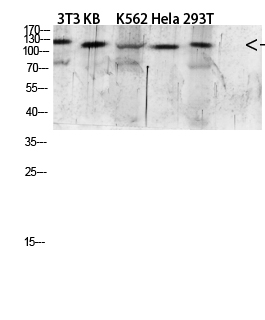
ABP0189 delivers a limit of detection (LOD) of 0.3 pg/mL and a linear range of 0.3–200 pg/mL—enough to detect EGF in 2 µL of serum or 5 µg of tumor lysate[reference:15]. In Western blotting, it detects endogenous EGF at ~6 kDa in conditioned media from primary keratinocytes, with a signal-to-noise ratio that outperforms several monoclonal alternatives[reference:16].
Real-World Applications
| Research Area | Application |
|---|---|
| Wound Healing | Profiling EGF in chronic wound biopsies |
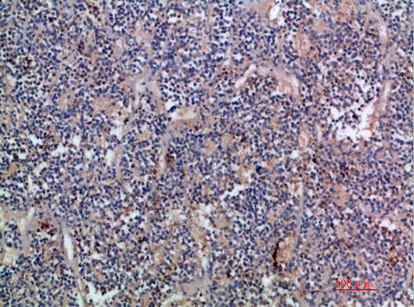
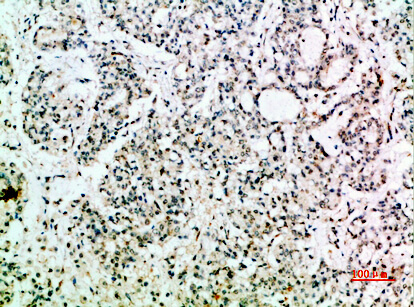
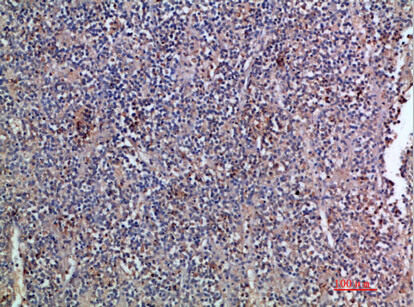
| Cancer Biology | Detecting EGF in tumor microenvironment samples |
| Dermatology | Quantifying EGF in skin tissue |
| Tissue Engineering | Monitoring EGF during regenerative processes |
The Bottom Line
For researchers navigating EGF's complex biology—from low-abundance serum samples to fixed tissue sections—ABP0189 delivers the specificity, sensitivity, and versatility that generic reagents lack.
📎 Reference: EGF Polyclonal Antibody (ABP0189)





