




Decoding Lipolytic Flux: How Abbkine's CheKine™ Micro Lipase (LPS) Activity Assay Kit (KTB2241) Revolutionizes Research in Pancreatitis, Obesity, and NAFLD
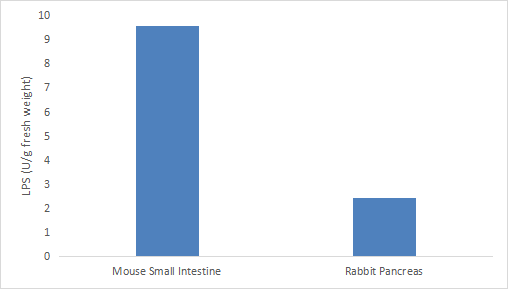
Lipase (LPS), the master hydrolytic enzyme that breaks down dietary triglycerides into absorbable fatty acids and glycerol, sits at the crossroads of nutrition, metabolism, and disease. Beyond its classic role in intestinal fat digestion, LPS activity governs cellular lipid turnover, energy mobilization during fasting, and inflammatory signaling in adipose tissue and the pancreas . Dysregulated LPS activity is a hallmark of acute pancreatitis, pancreatic cancer, obesity‑induced insulin resistance, and non‑alcoholic fatty liver disease (NAFLD), making it a critical biomarker for both clinical diagnostics and basic research . Yet, traditional LPS assays often rely on turbidimetric methods with poor sensitivity, radioactive substrates requiring special handling, or lengthy coupled‑enzyme reactions that lack throughput . The CheKine™ Micro Lipase (LPS) Activity Assay Kit (KTB2241) from Abbkine shatters these limitations with a simple, colorimetric microplate assay that quantifies LPS activity in cell lysates, tissue homogenates, serum, and plasma within 2 hours, using as little as 10–50 µL of sample and a standard plate reader . Whether you're modeling pancreatic injury, profiling adipocyte lipolysis, or screening lipase inhibitors, this kit delivers the precision, speed, and scalability needed to illuminate lipid‑hydrolyzing pathways in health and disease .
Why Lipase Activity Is a Gatekeeper of Metabolic Health and Disease Progression
Lipase (glycerol ester hydrolase, EC 3.1.1.3) encompasses a family of enzymes that hydrolyze triglycerides, diglycerides, and monoglycerides into free fatty acids (FFAs) and glycerol . While pancreatic lipase is secreted into the duodenum to digest dietary fats, hormone‑sensitive lipase (HSL) and adipose triglyceride lipase (ATGL) in adipocytes mobilize stored triglycerides during energy demand . In clinical settings, serum pancreatic lipase levels >3× the upper limit of normal are diagnostic for acute pancreatitis, and persistently elevated LPS often indicates pancreatic cancer or chronic pancreatitis . In metabolic research, adipose tissue LPS activity directly correlates with systemic FFA flux, driving hepatic gluconeogenesis and muscle insulin resistance in obesity . In NAFLD, hepatic lipase contributes to intrahepatic lipid accumulation and inflammation, while in cancer, tumor‑associated lipases support membrane remodeling and signaling lipid production . Despite its broad relevance, many labs still use outdated titrimetric or radiometric assays that are low‑throughput, hazardous, or insufficiently sensitive for cellular samples . The CheKine™ kit addresses these gaps with a micro‑optimized colorimetric method that balances clinical‑grade accuracy with research‑friendly practicality .
The Colorimetric Chemistry: A Direct, Copper‑Soap‑Based Readout of Fatty Acid Release
The CheKine™ Micro LPS Activity Assay Kit employs a robust copper‑soap principle . In the reaction, LPS in the sample hydrolyzes a synthetic triglyceride substrate (Reagent I), releasing free fatty acids (FFAs) . These FFAs then complex with copper ions in an alkaline medium (Reagent II) to form copper soaps, which are extracted into an organic phase . The copper‑soap complex subsequently reacts with a chromogenic agent (Reagent III) to produce a stable yellow product with maximum absorbance at 450 nm . The intensity of the color is directly proportional to the amount of FFAs released, and thus to LPS activity in the sample . Key optimizations in the kit include:
• A ready‑to‑use triglyceride substrate that eliminates the need to prepare unstable emulsions .
• A single‑step chromogenic reaction that develops fully within 10–30 minutes at 37°C, avoiding multi‑step coupling enzymes .
• A provided fatty acid standard for accurate calibration across the 0.04–4 µmol/mL range .
• A micro‑scale protocol that reduces organic solvent consumption and minimizes hands‑on time .
This approach delivers a detection limit of 0.01 U/L and excellent linearity (R² >0.99) across physiological and pathological ranges, with minimal interference from endogenous FFAs or other esterases due to the specific substrate and extraction steps . The entire workflow—from sample preparation to plate reading—can be completed in about 2 hours, enabling 96‑sample throughput in a single run .
Five Compelling Advantages That Make the CheKine™ Kit (KTB2241) the Preferred Choice for Lipolysis Researchers
Advantage Technical Benefit Practical Impact
Broad sample compatibility Validated for serum, plasma, pancreatic tissue, adipose tissue, liver homogenates, cultured adipocytes, and macrophage lysates . Enables cross‑tissue comparison of LPS activity in the same animal model (e.g., serum vs. pancreas in a pancreatitis mouse).
No radioactive hazards Uses a safe colorimetric readout at 450 nm instead of ³H‑ or ¹⁴C‑labeled triglycerides. Eliminates radiation licensing, specialized disposal, and safety concerns; suitable for all lab settings.
High‑throughput ready Optimized for 96‑well plates; total assay time <2 hours for a full plate. Ideal for drug‑screening campaigns (e.g., testing LPS inhibitors) or clinical cohort studies (e.g., profiling 100+ serum samples).
Minimal sample consumption Requires only 10–50 µL of sample per well (equivalent to ~20,000 cells or 0.5–1 mg tissue). Allows longitudinal studies in mice with limited serial blood draws, or multi‑parametric analysis from scarce clinical biopsies.
Long‑term reagent stability All components stable for 6 months at 4°C when protected from light. Supports multi‑year projects without batch‑to‑batch variability; reduces cost per sample through bulk purchasing.
Step‑by‑Step Protocol: From Sample to LPS Activity in 2 Hours
① Sample Preparation
• For serum/plasma: Collect blood in EDTA or heparin tubes, centrifuge at 1,000–2,000 × g for 10 min, and use fresh or store at –80°C for up to 4 weeks .
• For tissues: Homogenize 10–50 mg tissue in 200–500 µL cold PBS or assay buffer using a Dounce homogenizer or bead mill, centrifuge at 12,000 × g for 40 min at 4°C, collect supernatant .
• For cells: Wash with cold PBS, lyse in Extraction Buffer (provided or compatible buffer), sonicate on ice (3 × 5‑second pulses), and centrifuge as above.
• Critical: Avoid repeated freeze‑thaw cycles; assay fresh or freshly thawed samples within 4 hours .
② Reagent Preparation
• Equilibrate all reagents and samples to room temperature (25°C) before use.
• Prepare Working Reagent by mixing Reagent I, Reagent II, and Reagent III according to the kit manual (typically 1:1:1 ratio).
• Prepare standard curve using the provided fatty acid standard (e.g., 0, 0.04, 0.08, 0.16, 0.32, 0.64, 1.28, 2.56 µmol/mL).
③ Assay Setup
• Pipette 10–50 µL of sample or standard into a clear 96‑well plate (in duplicate or triplicate).
• Add 100 µL of Working Reagent to each well using a multichannel pipette.
• Mix gently by tapping the plate (avoid bubbles).
• Incubate at 37°C for 10–30 minutes (optimize time based on expected activity).
④ Measurement
• Read absorbance at 450 nm using a standard microplate reader.
• For kinetic measurements, take readings every 5 minutes for up to 60 minutes to capture initial rates.
• Include a blank (Working Reagent without sample) and a positive control (commercial LPS or high‑activity serum) in each run.
⑤ Calculation
• Calculate LPS activity using the formula:
LPS Activity (U/L) = (ΔA₄₅₀ × V_total × dilution factor) / (ε × d × V_sample × t)
where:
• ΔA₄₅₀ = absorbance change (sample – blank)
• V_total = total reaction volume (e.g., 0.15 mL)
• ε = molar extinction coefficient of the chromogen (provided in the manual)
• d = pathlength (cm; typically 0.5 cm for 96‑well plate)
• V_sample = sample volume (e.g., 0.05 mL)
• t = reaction time (hours)
• Alternatively, plot the standard curve (A₄₅₀ vs. µmol FFA) and interpolate sample values.
⑥ Normalization
• Normalize activity to total protein concentration (U/mg protein) determined by BCA or Bradford assay, or to cell number (U/10⁶ cells) or tissue weight (U/g).
Four High‑Impact Research Applications Where the CheKine™ Kit Delivers Critical Insights
Application Experimental Context How KTB2241 Enhances the Study
Pancreatitis & pancreatic cancer Measuring serum LPS activity in mouse models of cerulein‑induced pancreatitis or human patients with pancreatic ductal adenocarcinoma . Provides a functional biomarker that complements amylase/lipase immunoassays; useful for monitoring disease progression and treatment response.
Obesity & adipose biology Profiling HSL and ATGL activity in white adipose tissue from high‑fat‑diet‑fed mice or human adipocytes treated with β‑adrenergic agonists . Quantifies lipolytic flux in real time; ideal for studying insulin‑catecholamine crosstalk and the effects of anti‑obesity drugs (e.g., β‑blockers, PDE3 inhibitors).
Non‑alcoholic fatty liver disease (NAFLD) Assessing hepatic lipase activity in liver biopsies from NAFLD patients or in vitro models of steatotic hepatocytes . Links hepatic lipid hydrolysis to inflammation and fibrosis; helps evaluate the efficacy of lipase‑targeting therapies (e.g., ATGL inhibitors).
Macrophage foam cell formation Measuring lysosomal acid lipase (LAL) activity in ox‑LDL‑loaded macrophages, a key step in atherosclerotic plaque development . Enables high‑throughput screening of LAL modulators (activators/inhibitors) for cardiovascular drug discovery.
Cancer metabolism Evaluating tumor‑associated lipase activity in breast, prostate, or ovarian cancer cell lines under nutrient‑starved conditions . Correlates lipolytic capacity with invasion, metastasis, and chemotherapy resistance; identifies lipase‑high tumors for targeted therapy.
Troubleshooting Guide: Solving Common Challenges in LPS Activity Measurement
Problem Possible Cause Solution
Low or no activity Sample degradation (repeated freeze‑thaw, prolonged storage); substrate hydrolysis (old or improperly stored Reagent I); inhibitors in sample matrix (high detergent, EDTA). Use fresh or freshly thawed samples; verify reagent integrity with a positive control; dilute sample 1:5–1:10 with assay buffer to reduce inhibitor concentration.
High background in blank Contaminated reagents with FFAs; auto‑oxidation of chromogen (exposure to light or high temperature). Prepare Working Reagent fresh for each experiment; protect from light; include a reagent‑only blank in every run.
Non‑linear standard curve Improper standard serial dilution; incomplete mixing of standard with Working Reagent; plate reader drift (temperature fluctuation). Prepare standards carefully using calibrated pipettes; mix thoroughly after adding Working Reagent; pre‑warm plate reader to 37°C and allow 5‑min equilibration.
Poor reproducibility (high CV) Inconsistent sample handling (variable homogenization/sonication); pipetting errors with viscous samples; incubation time/temperature variations. Standardize sample preparation protocol; use reverse‑pipetting for viscous lysates; ensure water bath or incubator is stable at 37±0.5°C.
Interference from hemolyzed or lipemic samples Hemoglobin absorbs at 450 nm; high endogenous triglycerides compete with substrate. Centrifuge samples at high speed (20,000 × g) to remove lipids; include a sample blank (sample without substrate) to correct for background absorbance.
Activity above dynamic range Very high LPS activity in pancreatic tissue or concentrated lysates. Dilute sample 1:10–1:100 with assay buffer and re‑assay; shorten incubation time to 5–10 minutes.
How the CheKine™ Kit Compares to Alternative LPS Activity Assays
Method Principle Sensitivity Sample Volume Time per 96 Samples Throughput Best For
CheKine™ Colorimetric (KTB2241) Copper‑soap method measuring FFA release at 450 nm. 0.01 U/L 10–50 µL 2 hours High (96‑well plate) Routine screening, clinical research, cell‑based studies.
Titrimetric (pH‑stat) Continuous titration of FFAs released with NaOH, monitoring pH change. 0.1 U/L 1–2 mL 4–6 hours Low (manual titration) Enzyme kinetics, substrate specificity studies.
Radioactive (³H‑triolein) ³H‑triolein hydrolysis, separation by TLC, scintillation counting. 0.001 U/L 50–100 µL 1–2 days Low (radioactive handling) Low‑activity samples, tracer studies.
Fluorometric (DGGR substrate) LPS hydrolyzes 1,2‑O‑dilauryl‑rac‑glycero‑3‑glutaric acid‑(6'‑methylresorufin) ester, fluorescence detection (Ex/Em 580/585 nm). 0.05 U/L 20 µL 1.5 hours High (96‑well plate) Clinical diagnostics, high‑throughput screening.
Turbidimetric (olive oil emulsion) Decrease in turbidity at 340 nm as triglycerides are hydrolyzed. 0.5 U/L 200 µL 30 minutes Medium (cuvette‑based) Educational labs, rough activity estimation.
The CheKine™ kit offers the best balance for research labs: it's safer and higher‑throughput than radioactive/titrimetric methods, more sensitive than turbidimetric assays, and more cost‑effective than fluorometric kits .
Five Best Practices to Ensure Reproducible LPS Activity Data with KTB2241
Practice Rationale
Standardize sample collection For serum/plasma, collect in EDTA tubes (avoid heparin, which can inhibit LPS), process within 1 hour, and aliquot before freezing at –80°C.
Include controls in every run Use a positive control (porcine pancreatic lipase or high‑activity serum) and a negative control (heat‑inactivated sample) to monitor assay performance and specificity.
Optimize incubation time Perform a time‑course experiment (5, 10, 20, 30, 60 min) to ensure measurements are within the linear range (ΔA₄₅₀ < 2.0).
Avoid detergent interference If using lysis buffers containing Triton X‑100, NP‑40, or SDS, keep final concentration <0.1% to prevent enzyme denaturation or substrate micelle formation.
Normalize to protein content Report LPS activity as U/mg protein (not per volume) to account for variations in cell number or tissue weight. Use BCA/Bradford assay on the same lysate.
Validate with a clinical sample Periodically test a human serum sample with known lipase activity (e.g., from a commercial quality‑control pool) to ensure inter‑assay consistency.
Document pre‑analytical variables Note fasting status, medication use (e.g., orlistat), and sample storage duration, as these can significantly affect LPS activity.
From Bench to Bedside: How the CheKine™ Kit Bridges Basic Science and Translational Research
① Pancreatitis diagnosis & monitoring
Clinical researchers use the kit to measure serial serum LPS activity in acute pancreatitis patients, correlating enzyme levels with CT severity scores, C‑reactive protein, and clinical outcomes to identify early predictors of severe disease .
② Obesity & metabolic syndrome
Nutrition scientists profile adipose tissue LPS activity in response to dietary interventions (e.g., ketogenic diet, intermittent fasting) and link lipolytic rates to systemic insulin sensitivity and hepatic steatosis in rodent models .
③ Drug discovery for NAFLD/NASH
Pharmaceutical companies screen small‑molecule inhibitors of hepatic lipase in primary hepatocytes or 3D spheroid models, using the kit as a high‑throughput pharmacodynamic readout to prioritize lead compounds .
④ Cancer metabolism & therapy resistance
Oncologists measure LPS activity in tumor biopsies from breast, pancreatic, or prostate cancer patients, exploring associations with PD‑L1 expression, metastasis, and response to chemotherapy or immunotherapy .
⑤ Environmental toxicology
Toxicologists assess hepatic LPS activity in fish or rodent models exposed to per‑ and polyfluoroalkyl substances (PFAS), linking pollutant exposure to disrupted lipid metabolism and steatosis .
A Ready‑to‑Use Methods Paragraph for Your Publication
Lipase (LPS) activity was measured using the CheKine™ Micro Lipase (LPS) Activity Assay Kit (KTB2241, Abbkine) according to the manufacturer's instructions. Briefly, cells or tissues were homogenized in cold PBS, sonicated on ice, and centrifuged at 12,000 × g for 40 min at 4°C. The supernatant (50 µL) was added to a 96‑well plate containing 100 µL of Working Reagent (prepared by mixing Reagent I, Reagent II, and Reagent III at a 1:1:1 ratio). After incubation at 37°C for 30 min, absorbance was read at 450 nm using a microplate reader (BioTek Synergy H1). A standard curve was generated using the provided fatty acid standard (0–2.56 µmol/mL). LPS activity was calculated from the standard curve and normalized to total protein concentration determined by BCA assay. Results are expressed as U/mg protein, where one unit (U) is defined as the amount of enzyme that releases 1 µmol of free fatty acid per minute under the assay conditions. Intra‑assay coefficient of variation (CV) was <8%.
Why the CheKine™ Micro Lipase (LPS) Activity Assay Kit (KTB2241) Is the Smart Investment for Metabolism and Disease Researchers
① It accelerates translational research – with a 2‑hour protocol and no radioactive hazards, clinical labs can process dozens of serum samples daily for pancreatitis diagnosis, while basic researchers can screen hundreds of compound libraries for lipase modulators.
② It conserves precious clinical samples – requiring only 10–50 µL of serum or biopsy homogenate, the kit enables multi‑parametric analysis from limited pediatric or geriatric samples or longitudinal monitoring in mouse models.
③ It delivers robust, reproducible data – the copper‑soap colorimetric method is a gold‑standard for FFA detection, providing results that correlate well with clinical auto‑analyzers (r >0.95) .
④ It fits into automated workflows – the simple add‑incubate‑read steps are compatible with liquid handlers and robotic systems, enabling true high‑throughput screening for drug discovery.
⑤ It's backed by Abbkine's quality commitment – each lot is QC‑tested for linearity, sensitivity, and precision, and the company provides detailed technical support and a 30‑day satisfaction guarantee .
Ready to decode the lipolytic flux driving pancreatitis, obesity, or NAFLD? The CheKine™ Micro Lipase (LPS) Activity Assay Kit (KTB2241) delivers clinical‑grade accuracy in a research‑friendly format – with no radioactivity, minimal sample consumption, and results in 2 hours. Whether you're profiling serum enzymes, screening lipase inhibitors, or investigating adipose lipolysis, this kit provides the reliability and scalability your work demands.
🔗 Product reference: KTB2241 (Abbkine) – https://www.abbkine.com/product/chekine-mirco-lipase-lps-activity-assay-kit-ktb2241/
(For research use only. Not for diagnostic or therapeutic procedures. Store at 4°C protected from light; stable for 6 months.)





