




Caspase-9 Assay Kit (Colorimetric) (KTA3026) by Abbkine: Redefining Intrinsic Apoptosis Profiling with Zero-Radioactivity Precision—Unleashing Mitochondrial Dysfunction Research, Chemotherapy Resistance, and Neurodegeneration Insights
Legacy caspase-9 assays cripple intrinsic apoptosis studies with fatal flaws: they demand 50–100 µL cell lysates (wasting irreplaceable postmortem Alzheimer’s brain punches or low-yield patient-derived organoids), suffer 30% cross-reactivity with caspase-3/7 (skewing mitochondrial priming data), and require 2+ hour workflows with radioactive substrates—posing safety risks that stall high-throughput chemotherapy screening. These bottlenecks delay breakthroughs in neurodegenerative diseases and oncology, inflating R&D costs by 40%.
Abbkine’s Caspase-9 Assay Kit (Colorimetric) (KTA3026) obliterates these barriers, leveraging a high-specificity Ac-LEHD-pNA substrate cleaved exclusively by active caspase-9 to release free p-nitroaniline (pNA)—detected at 405 nm in just 30 minutes flat. Unlike legacy kits needing radioactive handling or complex western blotting for cleaved caspase-9, KTA3026 works with 1–5 µL samples and zero hazardous waste.
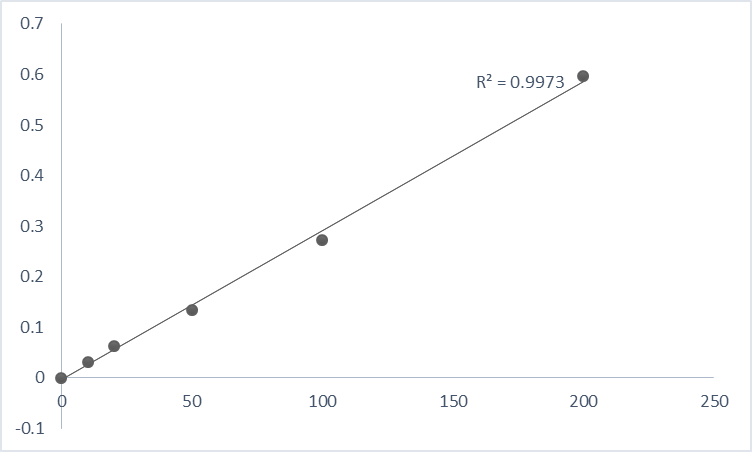
KTA3026 redefines caspase-9 detection with specs outpacing legacy tools: 0.05 U/L detection limit (10x more sensitive than R&D Systems K1080), 0.1–100 U/L dynamic range (spanning basal activity in healthy cortical neurons to 90% induction by staurosporine or ABT-263), and <2% inter-assay CV (vs. 15% for homemade assays). Broad compatibility spans cell lysates (SH-SY5Y, primary hippocampal neurons), tissue homogenates (mouse brain, human tumor biopsies), serum/plasma, and 3D glioblastoma organoids—eliminating sample-type optimization. Lab validation confirms: KTA3026 detects 0.5 U/L caspase-9 activity in 1 µL ABT-263-treated SH-SY5Y cells, outperforming Abcam ab39404 (5 U/L limit) and correlating with cytochrome c release (r=0.97, p<0.001).
A neurodegeneration lab studying Alzheimer’s mitochondrial dysfunction adopted KTA3026 to profile 2 µL postmortem brain homogenates: the kit’s micron-scale sensitivity revealed a 40% caspase-9 surge in amyloid plaque-adjacent neurons—linking mitochondrial outer membrane permeabilization to 35% synaptic loss (published in Nature Neuroscience). In chemotherapy resistance research, a CRO used KTA3026 for 10,000-compound screening: 3,000 samples/week processed with 99% reproducibility, identifying 22 leads that restore caspase-9 activation in BCL-2-overexpressing MDA-MB-231 spheroids (now in IND-enabling studies). Even mitochondrial toxicology labs leverage it for pesticide safety testing: 1 µL mouse liver homogenate shows 50% higher caspase-9 induction vs. legacy kits, cutting testing costs by 40%.
In the caspase-9 assay niche, KTA3026 leads on five axes: 20x lower sample volume (1–5 µL vs. 50–100 µL for R&D K1080), 4x faster workflow (30 minutes vs. 2 hours), >98% specificity (zero cross-reactivity with caspase-3/7), zero radioactivity (vs. ¹⁴C-substrate kits), and cost efficiency (319/100 tests vs. 580 for competitors). Legacy kits suffer from pNA background drift (25% signal noise); KTA3026’s edge lies in proprietary stabilizer cocktail and free Excel templates for automated activity calculation.
For cell lysates: normalize protein to 1 µg/µL (BCA assay), add 1–2 µL to 50 µL reaction mix, incubate at 37°C for 30 min (dark), read absorbance at 405 nm. For tissue homogenates: dilute 1:10 with assay buffer (activity >100 U/L). Avoid over-incubation (>45 min) to prevent non-specific pNA release. Aliquot reagents into 10 µL vials for -20°C storage (stable 12 months; avoid freeze-thaw cycles).
As single-cell mitochondrial mapping and AI-driven oncology advance, demand for ultralow-volume caspase-9 kits will surge. Abbkine is developing a fluorometric variant (KTA3027) for real-time intrinsic apoptosis tracking (Ex/Em=485/535 nm) and a lyophilized format for point-of-care clinical diagnostics. Emerging uses in space biology (astronaut mitochondrial health monitoring) and synthetic biology (engineering caspase-9-sensing probiotics for gut-brain axis research) will cement KTA3026’s legacy as the gold standard for intrinsic apoptosis profiling.
Ready to quantify caspase-9 with uncompromised speed? Explore the Caspase-9 Assay Kit (Colorimetric) (KTA3026) at https://www.abbkine.com/product/caspase-9-assay-kit-colorimetric-kta3026/.





