




Beyond Simple Lysis: Precision Subcellular Fractionation with the ExKine™ Cytoplasmic Protein Extraction Kit (KTP3003)
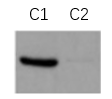
If you've ever tried to analyze a signaling protein like NF-κB, ERK, or a transcription factor, you know the frustration. A standard whole-cell lysis gives you a molecular soup where critical translocation events—from cytoplasm to nucleus—are completely masked. Your western blot becomes an ambiguous average, missing the dynamic story. This is where crude homogenization fails and precise subcellular fractionation becomes non-negotiable. The Abbkine ExKine™ Cytoplasmic Protein Extraction Kit (KTP3003) is engineered for this exact purpose: to cleanly and reliably separate the cytoplasmic compartment from the nucleus in mammalian cells, providing the spatial resolution needed for meaningful mechanistic biology. It transforms your data from a blurry snapshot into a high-definition movie of cellular events.
The core challenge in any cytoplasmic and nuclear protein extraction protocol is maintaining compartmental integrity while avoiding cross-contamination. The most common pitfall is nuclear leakage, where proteins like histone H3 or Lamin B1 bleed into the cytoplasmic fraction, ruining the experiment's validity. The ExKine™ kit utilizes a gentle, detergent-based method. It starts with a hypotonic buffer to swell cells, followed by a mild non-ionic detergent that selectively pokes holes in the plasma membrane while leaving the nuclear envelope intact. This allows the cytoplasmic protein fraction to be released into solution with minimal mechanical shear. After a careful centrifugation step, you get a clean cytoplasmic extract, ready for analysis. The remaining pellet, containing intact nuclei, can then be lysed with a strong RIPA-like buffer provided in the kit to yield the nuclear fraction. The elegance lies in the buffer formulation—specifically optimized to prevent premature nuclear lysis during the initial cytoplasmic protein isolation step.
So, how do you ensure a successful subcellular fractionation protocol with this kit? Beyond following the protocol, vigilance with controls is everything. Always, without exception, run markers for both compartments. Beta-Actin or GAPDH are excellent for the cytoplasmic fraction, while Lamin A/C or Histone H3 are mandatory for the nuclear fraction. The true test of a clean cell fractionation kit is the absence of the nuclear marker in the cytoplasmic lysate and vice-versa. For challenging cell types (e.g., adherent cells that are hard to swell, or primary cells), a pre-cooling step on ice and extremely gentle pipetting during the detergent step are critical. Furthermore, consider the downstream application; if you're studying post-translational modifications, adding phosphatase and protease inhibitors to the provided buffers is a must. This kit provides the foundational framework, but your attention to these details is what guarantees publication-quality blots.
The applications for high-purity fractions are vast. It's indispensable for studying nucleo-cytoplasmic shuttling, a key regulatory mechanism for proteins like STATs, FoxOs, or β-catenin in response to drugs or stimuli. In apoptosis research, it allows you to track the release of cytochrome c from mitochondria into the cytoplasm. For immunoprecipitation or co-IP studies, starting with a cytoplasmic extract enriches your target and reduces background noise from nuclear proteins. In essence, the ExKine™ Cytoplasmic Protein Extraction Kit isn't just another prep kit; it's a critical tool for subcellular proteomics and compartment-specific signaling analysis. By enabling researchers to ask "where in the cell is this happening?", it provides a layer of functional insight that whole-cell lysates simply cannot, making it a cornerstone technique for rigorous, hypothesis-driven cell biology.





