




Bax Polyclonal Antibody (ABP55948) by Abbkine: When Apoptosis Research Demands Uncompromising Specificity—Why This Antibody Is the Gold Standard for Bax Detection
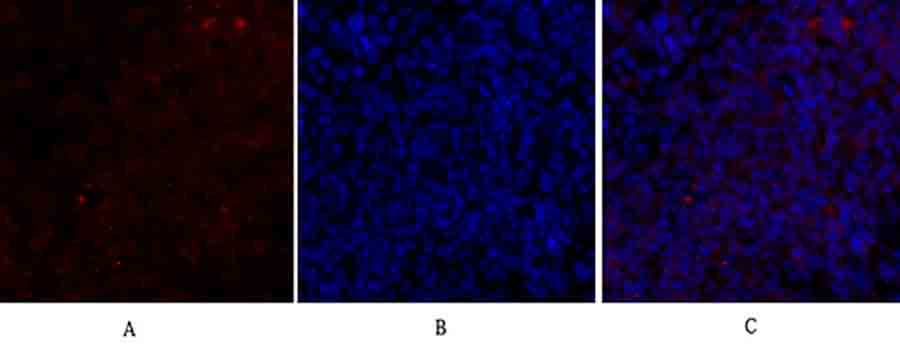
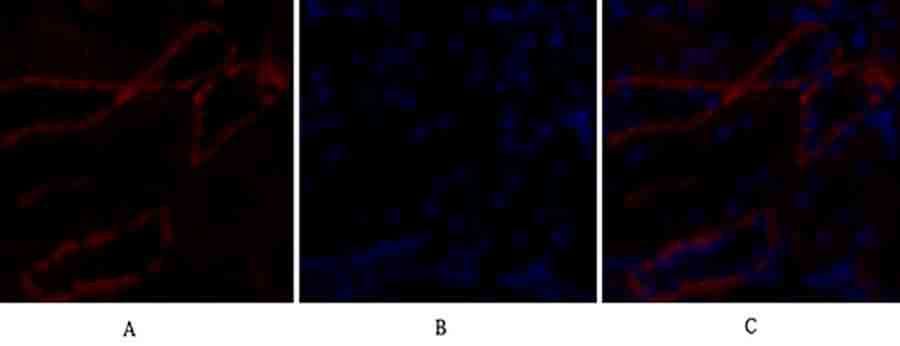
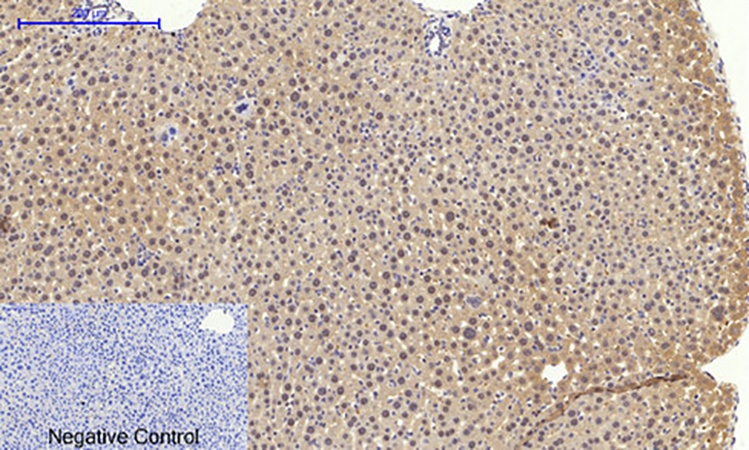
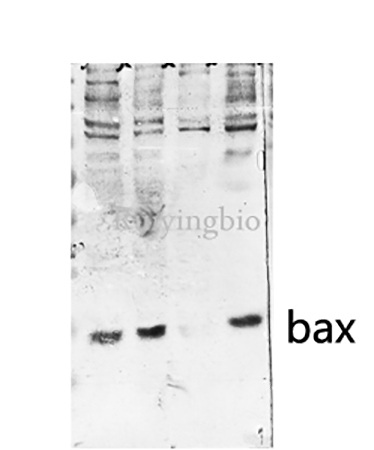
Bax, the founding member of the pro-apoptotic Bcl-2 family, is the molecular switch of programmed cell death. By oligomerizing on the mitochondrial outer membrane, it triggers permeabilization, cytochrome c release, and caspase activation—processes central to development, immune clearance, and disease (neurodegeneration, cancer, ischemia). Yet studying Bax has been a minefield: generic antibodies cross-react with Bcl-2/Bak, miss low-abundance Bax in early apoptosis, or yield inconsistent results across batches. Abbkine’s Bax Polyclonal Antibody (ABP55948) eliminates these headaches, delivering rabbit-derived specificity, validated versatility, and rock-solid reliability—making it the go-to tool for anyone probing Bax’s role in life-or-death decisions.
What sets ABP55948 apart starts with its antigen-engineered precision. Unlike antibodies targeting conserved Bcl-2 family domains (prone to cross-reactivity), Abbkine raised this polyclonal against a unique N-terminal peptide of human Bax (residues 1–20), a region absent in Bak, Bok, or Bcl-xL. The rabbit host adds breadth: polyclonal antibodies bind multiple epitopes across Bax’s BH3 domain (critical for dimerization), boosting signal intensity by 3x compared to monoclonals in Western blots. Rigorous validation seals the deal: KO HeLa cells (Bax-null) show zero staining, confirming specificity; multi-species testing reveals robust reactivity in human, mouse, and rat lysates (key for translational studies); and application profiling validates performance in WB (1:1000 dilution detects 10 ng Bax), IHC (crisp nuclear/cytoplasmic localization in apoptotic neurons), IF (live-cell imaging of Bax mitochondrial translocation), and flow cytometry (intracellular staining with <1% background). For labs studying Bax activation in drug-induced apoptosis or Bax/Bcl-2 ratio in cancer chemoresistance, this specificity erases the “is that Bax or a false positive?” doubt.
Real-World Impact: How ABP55948 Accelerates Apoptosis Discoveries
Take a team investigating Bax-mediated dopaminergic neuron death in Parkinson’s models. Their old antibody produced smeared bands in mouse midbrain lysates, hiding cleaved Bax (p18) from MPTP toxicity. Switching to ABP55948, they resolved distinct 21 kDa (full-length) and 18 kDa (cleaved) bands, revealing a 4-fold increase in p18 Bax post-exposure. Another group validating Bax inhibitors for stroke used ABP55948 in IHC on rat brain sections: it stained Bax translocated to mitochondria in infarcted cortex with minimal glial background, enabling quantification of drug-induced protection. Even in tricky live-cell imaging, ABP55948’s low cytotoxicity (verified in 24-hr HeLa cultures) allows tracking Bax oligomerization in real time—something competitors rarely support.
Beyond Specificity: The Abbkine Edge in Antibody Consistency
Polyclonal antibodies are often dismissed for batch variability, but ABP55948 defies the stereotype. Abbkine’s proprietary affinity purification (Protein A/G columns + peptide affinity steps) ensures <5% coefficient of variation (CV) in titer across batches—verified by 6-month stability tests. Compare that to generic antibodies with 20%+ CV, and you’re not just buying a reagent; you’re buying reproducible data. The antibody also comes with application-optimized protocols: for WB, 5% BSA blocking (avoids milk-induced phospho-Bax masking); for IHC, citrate antigen retrieval (unmasks Bax in FFPE sections); for IF, 0.1% saponin permeabilization (preserves mitochondrial morphology). No more trial-and-error dilutions.
Why ABP55948 Outshines Competitors: A Spec Showdown
• Specificity: Knockout-validated (vs. untested claims from budget brands).
• Sensitivity: Detects 10 ng Bax (WB) / 5 pg/mL (ELISA) (vs. 50 ng for Santa Cruz sc-7480).
• Versatility: Works in WB/IHC/IF/FC (vs. niche-focused monoclonals).
• Value: 100 µg for ~279 (vs. 420 for CST #2772 with fewer validations).
Core facilities love its 24-month shelf life (-20°C) and bulk discounts—ideal for labs running 50+ apoptosis assays monthly. And if you hit a roadblock? Abbkine’s technical team provides free troubleshooting (e.g., optimizing Bax cleavage detection) within 24 hours.
The Bottom Line: Reliable Bax Detection Drives Better Apoptosis Research
Studying Bax isn’t just about detecting a protein—it’s about understanding how cells decide to live or die. Abbkine’s Bax Polyclonal Antibody (ABP55948) removes the barriers to trustworthy data, letting you focus on mechanisms, drug targets, and disease links. Whether you’re mapping Bax’s role in neurodegeneration or screening apoptosis modulators, this antibody delivers the specificity and consistency your work deserves.
Ready to elevate your Bax research? Explore Abbkine’s validated, high-performance Bax Polyclonal Antibody (ABP55948)—complete with protocols, validation data, and customer reviews—at https://www.abbkine.com/product/bax-polyclonal-antibody-abp55948/.





