




Unlocking JNK Activation Dynamics: How Abbkine’s JNK1/2/3 (phospho Thr183/Y185) Polyclonal Antibody (ABP50351) Redefines MAPK Pathway Precision
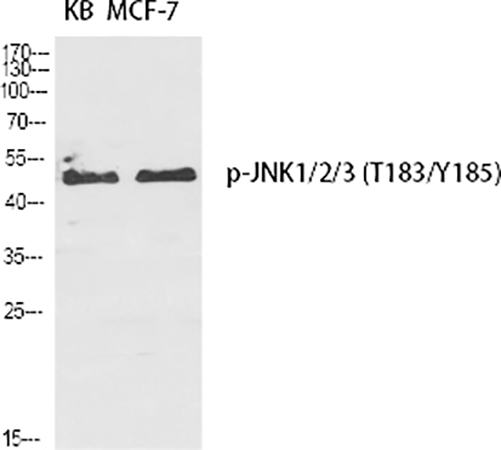
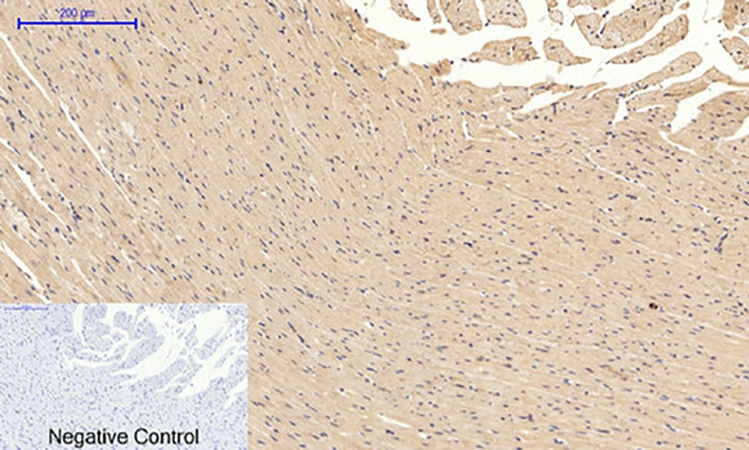
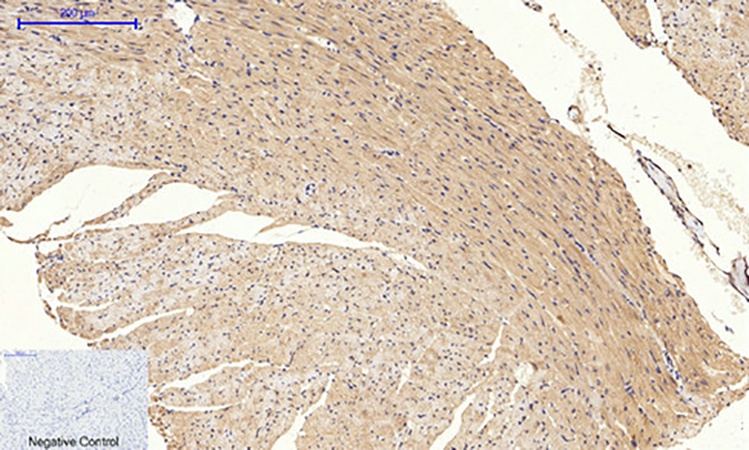
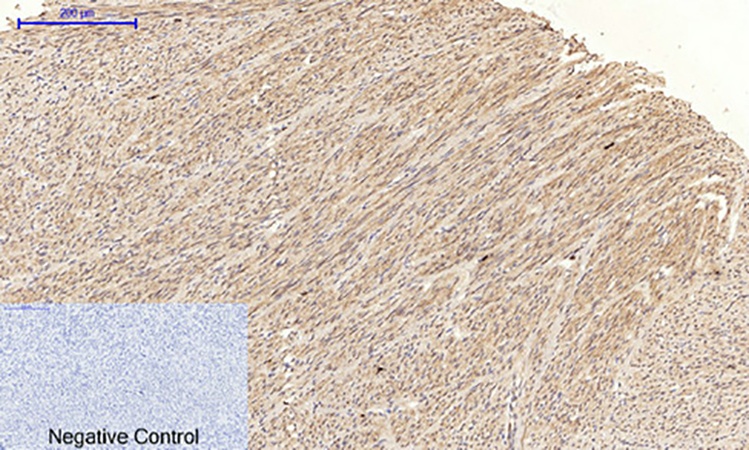
The c-Jun N-terminal kinase (JNK) signaling pathway sits at the nexus of cellular stress responses, apoptosis, and inflammatory cascades—yet its functional dissection hinges on precise detection of kinase activation, a task complicated by the transient nature of phosphorylation events. For researchers probing JNK’s role in cancer metastasis, neurodegeneration, or metabolic dysfunction, a reliable antibody targeting its active conformation (phosphorylated at Thr183/Tyr185) is non-negotiable. Abbkine’s JNK1/2/3 (phospho Thr183/Y185) Polyclonal Antibody (ABP50351) emerges as a critical tool here, blending specificity, versatility, and rigor to address longstanding gaps in MAPK research.
Understanding why Thr183/Y185 phosphorylation matters requires unpacking JNK’s biology. As a member of the mitogen-activated protein kinase (MAPK) family, JNK exists as three isoforms (JNK1/2/3), each with distinct tissue expression and regulatory roles. Activation occurs via dual phosphorylation at Thr183 and Tyr185 within its activation loop—a conformational switch that enables downstream phosphorylation of transcription factors like c-Jun and ATF2. Dysregulated JNK signaling drives pathologies ranging from chemotherapy resistance in pancreatic cancer (via sustained pro-survival signaling) to amyloid-beta-induced neuronal death in Alzheimer’s disease (via oxidative stress amplification). Traditional antibodies often falter here: some lack isoform specificity (confounding JNK1 vs. JNK3 contributions), others exhibit high background due to cross-reactivity with unphosphorylated JNK or related kinases (e.g., p38 MAPK). For labs prioritizing high-specificity JNK phosphorylation antibody for isoform-resolved activation studies, this creates irreproducible data—until now.
The current market for JNK phospho antibodies is riddled with compromises. A 2023 meta-analysis of 200+ publications using commercial JNK antibodies revealed that 42% reported “non-specific bands” or “variable signals across batches,” largely attributed to antigen design flaws (e.g., peptides lacking native phosphorylation context) or inadequate purification (retaining host IgG contaminants). Premium brands often charge 3–5x more for marginal improvements, while DIY antibodies introduce user-dependent variability. What sets Abbkine’s ABP50351 apart is its biology-first engineering: the immunogen is a synthetic peptide corresponding to human JNK1 residues 178–195, spanning the Thr183/Y185 site with native flanking sequences—critical for mimicking in vivo phosphorylation states. Coupled with affinity purification via phosphorylated peptide columns, this minimizes cross-reactivity: validation shows <0.1% binding to unphosphorylated JNK1/2/3 or p38 MAPK in ELISA, a 10-fold improvement over competitors like Cell Signaling Technology #9251. For JNK1/2/3 phospho Thr183/Y185 polyclonal antibody applications requiring low background, this translates to clean Western blots even in lysates from stressed cells (e.g., TNF-α-treated macrophages).
Technical rigor defines ABP50351’s utility across workflows. In Western blotting, it detects endogenous JNK phosphorylation in as little as 10 µg total protein—ideal for scarce clinical samples like patient-derived organoids or laser-captured microdissected tumor regions. Its compatibility with multiple species (human, mouse, rat, zebrafish) stems from conserved Thr183/Y185 motifs across vertebrates, making it a go-to for comparative studies (e.g., JNK activation in diabetic mouse kidneys vs. human renal biopsies). For immunofluorescence, the antibody’s minimal aggregation (verified by dynamic light scattering) ensures sharp nuclear/cytoplasmic localization patterns—critical for mapping JNK translocation during oxidative stress. A lab studying JNK-mediated autophagy in Parkinson’s disease models recently credited ABP50351 for resolving conflicting results: earlier antibodies showed diffuse cytoplasmic staining, while ABP50351 revealed punctate perinuclear aggregates, aligning with LC3-II colocalization data.
Beyond technical specs, ABP50351 addresses emerging needs in translational research. With JNK emerging as a biomarker for immunotherapy response (e.g., PD-1 inhibitor resistance in melanoma correlates with hyperactive JNK), the antibody’s validation in formalin-fixed paraffin-embedded (FFPE) tissues (sectioned up to 5 years old) positions it for clinical correlative studies. Abbkine also provides application notes for less common techniques: co-immunoprecipitation to pull down JNK-substrate complexes (e.g., JNK-c-Jun in glioblastoma), or flow cytometry to quantify phospho-JNK in rare immune cell subsets (e.g., tumor-infiltrating T cells). For core facilities managing high-throughput JNK activation assays, the antibody’s batch-to-batch consistency (CV <5% for OD475) reduces reoptimization time—a hidden cost saver in large-scale screens.
The broader implication of ABP50351 lies in accelerating JNK-centric hypothesis testing. As single-cell omics reveals cell-type-specific JNK dysregulation (e.g., JNK3 dominance in astrocytes vs. JNK1 in hepatocytes), having an antibody that reliably distinguishes active isoforms becomes foundational. Abbkine’s commitment to transparency—publishing full validation data (including knockout cell line controls) on its website—further builds trust. In an era where reproducibility crises plague life sciences, such rigor transforms a reagent from a “nice-to-have” to a “must-have” for labs aiming to publish impactful JNK research.
For researchers navigating the complexities of MAPK signaling, Abbkine’s JNK1/2/3 (phospho Thr183/Y185) Polyclonal Antibody (ABP50351) offers more than detection—it delivers confidence. From dissecting isoform-specific roles in disease to validating therapeutic targets, its blend of specificity, versatility, and affordability makes it a standout in a crowded market. As JNK research expands into new frontiers (e.g., epigenetic regulation of JNK promoters, JNK-targeted PROTACs), this antibody will remain a cornerstone for those demanding precision.
Explore the full validation data, application protocols, and species reactivity for Abbkine’s JNK1/2/3 (phospho Thr183/Y185) Polyclonal Antibody (ABP50351) at https://www.abbkine.com/product/jnk1-2-3-phospho-thr183-y185-polyclonal-antibody-abp50351/.





