




Human Very Low Density Lipoprotein (VLDL) ELISA Kit — Application Scenarios
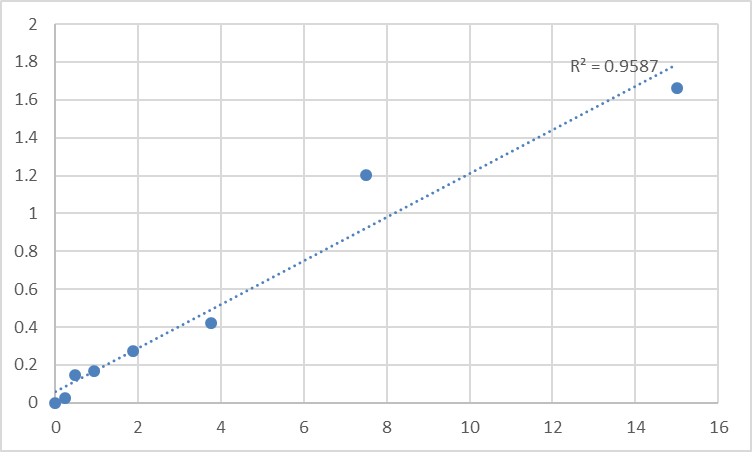
VLDL Quantification in Lipid Metabolism and Cardiovascular Research
Very Low Density Lipoprotein (VLDL) is one of the five major groups of lipoproteins — along with chylomicrons, intermediate-density lipoprotein, low-density lipoprotein, and high-density lipoprotein. Produced by the liver, VLDL transports endogenous triglycerides and cholesterol to peripheral tissues.[reference:47] Dysregulated VLDL metabolism is a key driver of atherosclerosis, cardiovascular disease, and metabolic syndrome.
Abbkine's Human Very Low Density Lipoprotein (VLDL) ELISA Kit (KTE60050) enables precise quantification of this critical lipoprotein in human samples.[reference:48] Here's how researchers across different fields are applying it.
Cardiovascular Research: VLDL as a Risk Factor for Atherosclerosis
Elevated VLDL levels are a well-established risk factor for atherosclerosis and cardiovascular disease. Cardiovascular researchers use this kit to:
- Quantify VLDL in patient serum/plasma as a biomarker of cardiovascular risk
- Monitor VLDL levels in animal models of atherosclerosis and dyslipidemia
- Study VLDL's role in endothelial dysfunction and plaque formation
- Assess the effects of lipid-lowering therapies on VLDL levels
The sandwich ELISA format delivers quantitative data from serum or plasma[reference:49].
Metabolic Syndrome and Diabetes Research
VLDL metabolism is closely linked to insulin resistance and metabolic syndrome. Researchers in metabolism and endocrinology use this kit to:
- Quantify VLDL in patient samples with type 2 diabetes or metabolic syndrome
- Study VLDL secretion in hepatocyte cell culture models
- Investigate the effects of dietary interventions on VLDL metabolism
- Monitor VLDL levels in obesity and weight loss studies
Hepatology: Liver Function and Lipid Metabolism
The liver is the primary site of VLDL production. Hepatology researchers leverage this kit to:
- Quantify VLDL secretion in primary hepatocyte cultures
- Study VLDL assembly and secretion in liver disease models (NAFLD, NASH, cirrhosis)
- Investigate the effects of hepatotoxic compounds on VLDL metabolism
- Monitor VLDL levels as a marker of liver function
Nutrition and Lipid Research
Dietary factors significantly influence VLDL levels. Nutrition researchers use this kit to:
- Study the effects of dietary fat composition on VLDL levels
- Investigate the role of nutraceuticals in modulating VLDL metabolism
- Quantify VLDL in intervention studies (diet, exercise, supplementation)
Why Choose This Kit for Your VLDL Research?
| Feature | Benefit |
|---|---|
| Quantitative sandwich ELISA | Precise, reliable VLDL measurement |
| Human-specific reactivity | Directly applicable to human studies |
| Multiple sample compatibility | Serum, plasma, cell culture supernatants |
| No cross-reactivity | Clean data — specific to VLDL[reference:50] |
| Complete kit | 10 components included — ready to use |
| Biotin-streptavidin HRP system | Amplified signal for better sensitivity[reference:51] |
Kit Components
- Human Very Low Density Lipoprotein microplate
- Human Very Low Density Lipoprotein standard
- Human Very Low Density Lipoprotein detect antibody
- Streptavidin-HRP
- Standard diluent, assay buffer, HRP substrate, stop solution, wash buffer, plate covers[reference:52]
🔬 Which research field does your work belong to?
Cardiovascular Research | Metabolic Syndrome | Hepatology | Nutrition Science | Other
Share your application with us — we'd love to hear how you're using this kit in your studies!
📌 Reference Link: Human Very Low Density Lipoprotein (VLDL) ELISA Kit — KTE60050





