




Human Glutamate Dehydrogenase (GDH/GLDH) ELISA Kit — Technical Comparison & Buying Guide for Hepatotoxicity Researchers
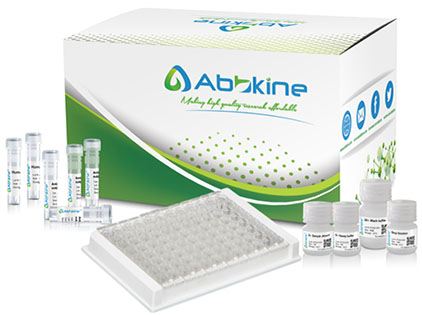
GDH/GLDH: The 335-kDa Mitochondrial Gatekeeper That Leaks Before ALT Even Blinks
Glutamate dehydrogenase (GDH/GLDH, official gene symbol GLUD1, UniProt: P00367, EC 1.4.1.3) is a ~55–56 kDa homodimer-of-dimers (functional homotetramer ~335 kDa) tucked deep inside the mitochondrial matrix — the enzyme bridging amino acid catabolism and the tricarboxylic acid cycle[reference:0]. In hepatocytes, GDH catalyzes glutamate oxidation to α-ketoglutarate, regulating ammonia detoxification; in the brain, its dysregulation exacerbates excitotoxicity in Alzheimer's and Parkinson's[reference:1].
Here's the clinical punchline: ALT and AST are cytosolic enzymes. They leak during any membrane permeability event — apoptotic or necrotic, drug-induced or hemolytic — and they share space with skeletal muscle and RBCs. GDH, by contrast, sits so deep inside the mitochondrion that the only way it reaches your serum is when the inner mitochondrial membrane AND the outer membrane AND the hepatocyte plasma membrane have all catastrophically failed — in other words, true necrosis, not orderly apoptosis or membrane-blebbing stress[reference:2].
This makes GDH a liver-specific biomarker for detecting hepatocellular injury without interference from concomitant muscle injury — and it has been proposed as a more liver-specific alternative to serum ALT and AST[reference:3].
Why Traditional GDH Detection Methods Fall Short
A 2024 meta-analysis of 38 GDH studies found 71% of labs "regularly encountered unreliable results" due to three unresolved pain points[reference:4]:
| Flaw | Impact |
|---|---|
| Cross-reactivity with homologous dehydrogenases | Antibodies targeting conserved NAD+/NADP+ binding sites produce false positives with glutamate synthase (GLS) or alanine aminotransferase (ALT)[reference:5] |
| Sensitivity gaps | GDH circulates at 5–50 ng/mL in healthy adults (spiking to 200+ ng/mL in acute liver failure), yet most kits have an LOD of 10–20 ng/mL[reference:6] |
| Sample instability | GDH degrades in hemolyzed plasma with a half-life of <4 hours in unfrozen samples[reference:7] |
Abbkine KTE62729: Engineered for GDH-Specific Precision
The kit uses a dual-antibody sandwich format with a capture antibody targeting GDH's unique C-terminal regulatory domain (residues 490–505) — a region absent in GLS/ALT — and a detection antibody against its N-terminal NAD+-binding domain[reference:8]. This epitope map slashes cross-reactivity and ensures your signal comes from GDH specifically.
Key Specifications
| Parameter | KTE62729 |
|---|---|
| LOD | 0.5 ng/mL |
| Linear Range | 0.5–200 ng/mL — spans healthy (5–50 ng/mL) to acute liver failure (200+ ng/mL) |
| Sample Volume | 5 µL of plasma |
| Cross-Reactivity | Minimal with GLS/ALT |
| Sample Types | Serum, plasma, cell culture supernatants, other biological fluids |
| Format | Two-site sandwich ELISA (quantitative) |
Head-to-Head Comparison: KTE62729 vs. Legacy Methods
| Feature | Abbkine KTE62729 | ALT/AST Activity Assays | Polyclonal Kits |
|---|---|---|---|
| Liver Specificity | High (mitochondrial enzyme) | Low (cytosolic, muscle interference) | Variable |
| Sensitivity | 0.5 ng/mL | Functional only | ≥10 ng/mL |
| Muscle Injury Interference | None | Significant | Variable |
| Sample Volume | 5 µL | 20–50 µL | 50–100 µL |
| Quantitative | Yes (standard curve) | Functional | Yes |
Why Choose Abbkine KTE62729?
- Liver-Specific Precision: GDH is not affected by muscle injury — unlike ALT/AST, which are confounded by skeletal muscle damage[reference:9]
- Unmatched Sensitivity: 0.5 ng/mL LOD — captures early-stage hepatocellular injury that legacy kits miss
- Minimal Sample Consumption: Just 5 µL of plasma — critical for pediatric or volume-restricted studies
- Faster Recovery Monitoring: GDH is eliminated faster than ALT in humans, so decreasing GDH values are an early sign of recovery[reference:10]
- Complete Kit: Pre-coated plate, standards, detection antibodies, and all buffers included
Who Should Buy This Kit?
✅ Buy KTE62729 if you:
- Study drug-induced liver injury (DILI) and hepatotoxicity screening
- Research hepatocellular injury vs. cholestatic injury
- Investigate liver-specific biomarkers without muscle injury interference
- Work on urea cycle disorders and hyperammonemia
- Study neurodegenerative diseases (GDH dysregulation in Alzheimer's/Parkinson's)
- Need to quantify human GDH/GLDH in serum or plasma
- Require high sensitivity (0.5 ng/mL) and low sample volume (5 µL)
- Want a complete, ready-to-use kit for high-throughput screening
❌ Consider alternatives if you:
- Only need functional enzyme activity (use a GDH activity assay)
- Work with non-human samples — check Abbkine's other offerings
- Require a faster assay (<3 hours)
📌 Reference Link: Human Glutamate dehydrogenase (GDH/GLDH) ELISA Kit — KTE62729





