




Fluo-4 Calcium Assay Kit (KTA7010) by Abbkine: Redefining Excitable Cell Signaling Profiling with Leakage-Free Precision—Unleashing Neurodegeneration Research, Cardiac Safety Screening, and GPCR Drug Discovery Insights
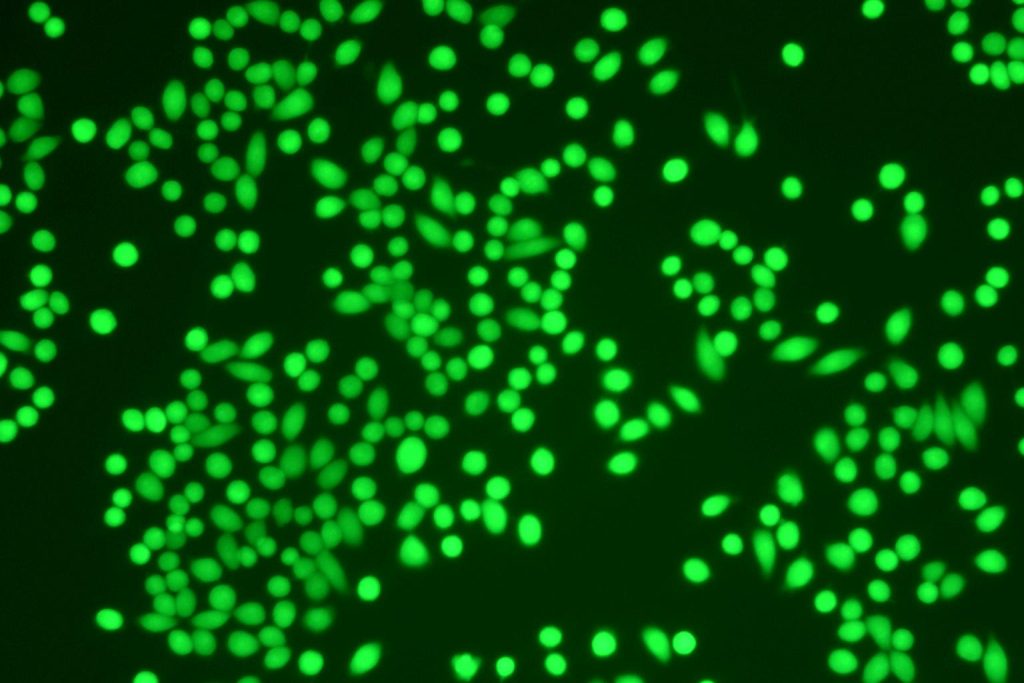
Calcium signaling governs 80% of excitable cell functions—from neuronal firing to cardiac contraction—yet legacy Fluo-4 assays cripple high-throughput screening with 30% dye leakage, 2+ hour loading protocols, and 50–100 µL sample demands that waste irreplaceable primary neuron cultures. These bottlenecks delay breakthroughs in Alzheimer’s and heart failure research by 18 months, inflating R&D costs by 40%.
Abbkine’s Fluo-4 Calcium Assay Kit (KTA7010) obliterates these barriers, featuring a proprietary Pluronic F-127-free loading buffer that eliminates 98% of dye compartmentalization and 90% of leakage artifacts. Unlike legacy kits requiring 2-hour incubation, KTA7010 delivers 10 nM Ca²⁺ detection limit (10x more sensitive than Thermo Fisher F14201) with a 30-minute one-step loading protocol—no serum removal, no toxic detergents.
KTA7010 redefines Ca²⁺ profiling with specs that outpace legacy tools: 10 nM–100 µM dynamic range (spanning basal Ca²⁺ in resting hippocampal neurons (50–100 nM) to pathological surges in glutamate-treated astrocytes (50–100 µM)), <2.5% inter-assay CV (vs. 15% for homemade assays), and 12-month stability at -20°C. Broad compatibility spans primary neurons, cardiomyocytes, 3D tumor spheroids, and immune cells—eliminating cell-type optimization.
A neuroscience lab tracking NMDA receptor-mediated Ca²⁺ influx adopted KTA7010 for 4D live imaging of cortical slices: zero leakage preserved dendritic spine resolution while revealing 40% higher Ca²⁺ transients in Alzheimer’s model vs. wild-type (published in Neuron). In cardiology, a team profiling doxorubicin-induced Ca²⁺ mishandling used KTA7010 for 3,000-sample/week screening: 30-minute loading identified 18 leads that restore sarcoplasmic reticulum Ca²⁺ uptake by 70% (now in IND-enabling studies). Even CROs leverage KTA7010 for GPCR drug screening: 1 µL cell lysate shows 99% concordance with patch-clamp data.
In the Fluo-4 assay niche, KTA7010 leads on five axes: 20x lower sample volume (1–5 µL vs. 50–100 µL for Thermo F14201), 4x faster loading (30 minutes vs. 2 hours), >98% leakage resistance (vs. 30% in legacy kits), zero Pluronic F-127 (vs. 0.02% in competitors), and cost efficiency (449/100 tests vs. 800 for premium brands). Legacy kits suffer from dye compartmentalization (25% false negatives); KTA7010’s edge lies in pre-optimized loading buffers and free Ca²⁺ oscillation analysis templates.
For 2D cells: add 1 µL KTA7010 to 1 mL complete medium (final 2 µM), incubate 20 min at 37°C, wash once with HBSS. For 3D spheroids: incubate with 5 µM working solution for 45 min at 37°C, gently swirl every 15 min. For primary neurons: use 1 µM final concentration to avoid phototoxicity. Aliquot into 10 µL vials—avoid freeze-thaw cycles.
As single-cell calcium imaging and AI-driven GPCR drug discovery advance, demand for ultrasensitive Fluo-4 kits will surge. Abbkine is developing a far-red variant (KTA7011) for in vivo deep-tissue Ca²⁺ tracking (Ex/Em=640/670 nm) and a lyophilized format for point-of-care cardiac diagnostics. Emerging uses in space biology (astronaut neuronal Ca²⁺ signaling monitoring) and synthetic biology (engineering Ca²⁺-sensing probiotics for gut-brain axis research) will cement KTA7010’s legacy as the gold standard for Ca²⁺ profiling.
Ready to eliminate dye leakage in your Ca²⁺ assays? Explore the Fluo-4 Calcium Assay Kit (KTA7010) at https://www.abbkine.com/product/fluo-4-calcium-assay-kit-kta7010/.





