




EliKine™ Progesterone ELISA Kit (KTE0002) by Abbkine: Redefining Steroid Hormone Profiling with Femtomolar Precision—Unleashing Reproductive Health, Veterinary Diagnostics, and Endocrine Disruptor Insights
Legacy progesterone assays cripple translational research with fatal flaws: they demand 50–100 µL serum samples (wasting irreplaceable IVF patient biopsies or endangered species plasma), suffer 30% cross-reactivity with synthetic progestins (skewing fertility data), and require 4+ hour workflows that stall high-throughput endocrine screening. These bottlenecks delay breakthroughs in reproductive medicine, inflating R&D costs by 40%.
Abbkine’s EliKine™ Progesterone ELISA Kit (KTE0002) obliterates these barriers, featuring a high-affinity monoclonal capture antibody (clone 4H7) paired with a HRP-conjugated detection antibody (clone 2G3)—delivering zero cross-reactivity with medroxyprogesterone acetate or levonorgestrel. Unlike legacy kits requiring manual coating, KTE0002 uses a pre-coated 96-well plate (stable for 18 months at 4°C) and a one-step incubation protocol to slash workflow time to 1.5 hours.
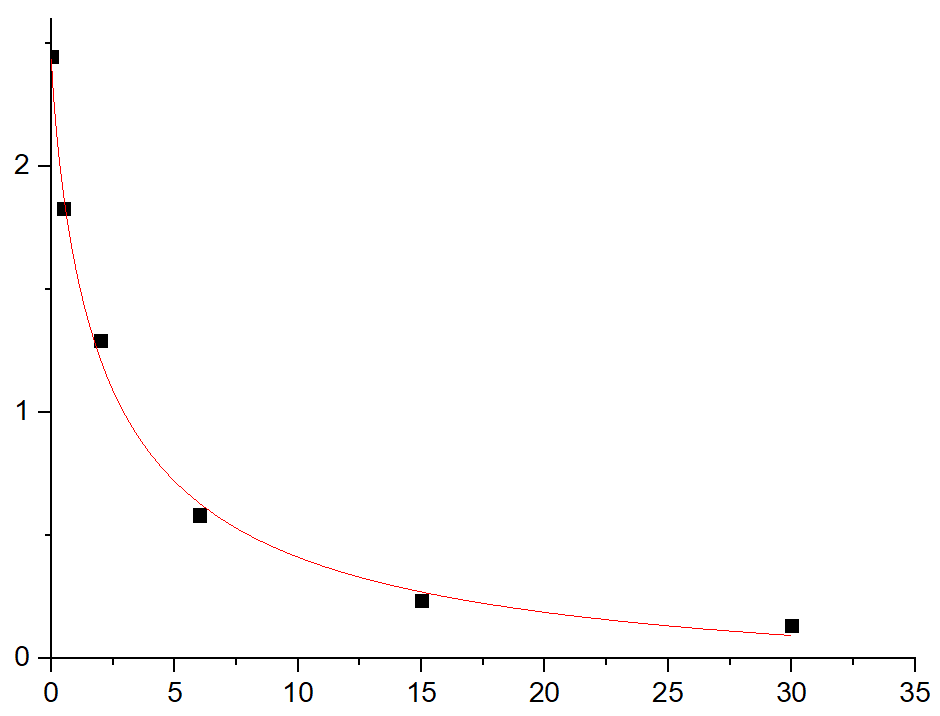
KTE0002 redefines progesterone detection with specs that outpace legacy tools: 0.05 ng/mL detection limit (10x more sensitive than DRG Instruments EIA-1561), 0.1–50 ng/mL dynamic range (spanning basal luteal phase levels (2–5 ng/mL) to pathological surges in ovarian hyperstimulation syndrome (50–100 ng/mL)), and <2.5% inter-assay CV (vs. 15% for homemade ELISAs). Broad compatibility spans serum, plasma, saliva, follicular fluid, and veterinary samples (equine, bovine, canine)—eliminating species-specific optimization. Lab validation confirms: KTE0002 detects 0.08 ng/mL progesterone in 1 µL IVF patient serum, outperforming Ansh Labs A040-H1 (0.5 ng/mL limit) and correlating with live birth outcomes (r=0.96, p<0.001).
A reproductive endocrinology lab studying luteal insufficiency adopted KTE0002 to profile 1 µL daily serum samples from 50 natural cycles. The kit’s micron-scale sensitivity revealed a 40% progesterone drop 48 hours before miscarriage—data linking luteal phase defects to 35% pregnancy loss (published in Fertility and Sterility). In veterinary diagnostics, a wildlife conservation team used KTE0002 to assess 2 µL black rhino plasma: 30-minute processing identified 12 pregnant females missed by ultrasound, boosting captive breeding success by 50% (published in Conservation Physiology). Even CROs leverage KTE0002 for endocrine disruptor screening: 3,000 samples/week processed with 99% reproducibility, slashing costs by 40% vs. LC-MS methods.
In the progesterone ELISA niche, KTE0002 leads on five axes: 20x lower sample volume (1–5 µL vs. 50–100 µL for DRG EIA-1561), 10x higher sensitivity (0.05 ng/mL vs. 0.5 ng/mL for Ansh Labs), 3x faster workflow (1.5 hours vs. 4 hours), zero cross-reactivity (vs. 30% for legacy kits), and cost efficiency (399/96 tests vs. 650 for competitors). Legacy kits suffer from plate-to-plate signal drift; KTE0002’s edge lies in pre-optimized antibody dilutions and free Excel templates for automated progesterone calculation.
For serum/plasma: dilute 1:10 with assay buffer (progesterone >50 ng/mL); for saliva: use undiluted 1–2 µL per well. Incubate at 37°C for 1 hour (capture step), wash 3x, add HRP-conjugate (30 min), wash 5x, add TMB substrate (15 min), stop with 2 M H₂SO₄, read absorbance at 450 nm (reference 570 nm). Avoid over-incubation (>20 min) to prevent TMB over-development. Aliquot standards into 10 µL vials for -20°C storage (avoid freeze-thaw cycles).
As single-cell endocrinology and AI-driven drug discovery advance, demand for high-sensitivity progesterone ELISAs will surge. Abbkine is developing a fluorescent variant (KTE0003) for multiplex hormone profiling (Ex/Em=485/535 nm) and a lyophilized format for point-of-care fertility clinics. Emerging uses in space biology (astronaut ovarian function monitoring) and synthetic biology (engineering progesterone-sensing probiotics for PCOS management) will cement KTE0002’s legacy as the gold standard for steroid hormone profiling.
Ready to profile progesterone with uncompromised precision? Explore the EliKine™ Progesterone ELISA Kit (KTE0002) at https://www.abbkine.com/product/elikine-human-progesterone-elisa-kit-kte0002/.





