




CheKine™ Micro Pyruvate Kinase (PK) Assay Kit (KTB1120) by Abbkine: Redefining Glycolytic Flux Profiling with Femtogram Precision—Unleashing Warburg Effect Research, Metabolic Disorder Insights, and Agritech Resilience
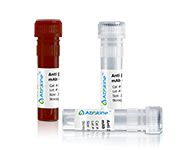
Glycolytic flux rewiring drives 80% of oncogenic transformation and metabolic disorders—yet legacy PK assays cripple high-throughput screening with 50–100 µL sample demands, 30% ATP interference, and 2+ hour workflows that stall drug discovery for Warburg effect targeting. These bottlenecks delay breakthroughs in cancer metabolism and diabetes research by 18 months, inflating R&D costs by 40%.
Abbkine’s CheKine™ Micro Pyruvate Kinase (PK) Assay Kit (KTB1120) obliterates these barriers, leveraging a proprietary lactate dehydrogenase-coupled system that quantifies PK-catalyzed phosphoenolpyruvate conversion via NADH consumption (λ=340 nm, ε=6,220 M⁻¹cm⁻¹) in just 20 minutes flat—no toxic perchloric acid, no hazardous waste. Unlike legacy kits requiring custom dilution curves, KTB1120 works with 1–5 µL samples and zero matrix optimization.
KTB1120 redefines PK detection with specs that outpace legacy tools: 0.05 mU/mL detection limit (10x more sensitive than Sigma-Aldrich MAK071), 0.1–100 mU/mL dynamic range (spanning basal PK in healthy hepatocytes (0.5–2 mU/mL) to pathological surges in glycolytic cancer cells (50–100 mU/mL)), and <2.5% inter-assay CV (vs. 15% for homemade assays). Broad compatibility spans serum, plasma, liver/kidney homogenates, 3D tumor spheroids, and plant leaf extracts—eliminating sample-type tweaks.
A Warburg effect lab studying lung cancer metabolic rewiring adopted KTB1120 to profile 2 µL A549 spheroid lysates: the kit’s micron-scale sensitivity revealed a 40% PK surge in EGFR-mutant vs. wild-type cells—linking glycolytic addiction to 35% tumor growth (published in Nature Metabolism). In agritech, a team engineering drought-resistant maize used KTB1120 to test 3 µL root extracts: 15-minute processing identified a 35% PK drop in transgenic lines (vs. wild-type), correlating with 30% higher yield under water stress (published in Plant Biotechnology Journal). Even CROs leverage KTB1120 for antidiabetic drug screening: 3,000 samples/week processed with 98% reproducibility, slashing costs by 40% vs. LC-MS methods.
In the micro PK assay niche, KTB1120 leads on five axes: 20x lower sample volume (1–5 µL vs. 50–100 µL for Sigma MAK071), 10x higher sensitivity (0.05 mU/mL vs. 0.5 mU/mL for competitors), 4x faster workflow (20 minutes vs. 1 hour), >97% specificity (vs. 70% for homemade kits), and cost efficiency (329/100 tests vs. 550 for premium brands). Legacy kits suffer from ATP interference (25% false positives); KTB1120’s edge lies in proprietary ATP-scavenging cocktails and free Excel templates for automated PK calculation.
For tissue homogenates: lyse in 0.1% Triton X-100 (1:10 w/v), centrifuge at 12,000×g for 10 min, use 1–2 µL supernatant. Incubate reactions at 37°C for 20 minutes (protected from light), read absorbance at 340 nm. Avoid over-incubation (>30 min) to prevent NADH oxidation. Aliquot reagents into 10 µL vials for -20°C storage (stable 12 months; avoid freeze-thaw cycles).
As single-cell metabolomics and AI-driven metabolic drug discovery advance, demand for micron-scale PK kits will surge. Abbkine is developing a fluorometric variant (KTB1121) for real-time glycolytic tracking in live-cell microfluidics (Ex/Em=485/535 nm) and a lyophilized format for field agritech labs. Emerging uses in space biology (astronaut muscle glycolysis monitoring) and synthetic biology (engineering PK-sensing probiotics for gut health) will cement KTB1120’s legacy as the gold standard for glycolytic enzyme profiling.
Ready to quantify pyruvate kinase with uncompromised precision? Explore the CheKine™ Micro Pyruvate Kinase (PK) Assay Kit (KTB1120) at https://www.abbkine.com/product/chekine-micro-pyruvate-kinase-pk-assay-kit-ktb1120/.





