




CheKine™ Micro Plant Soluble Sugar Assay Kit (KTB1320) by Abbkine: When Tiny Leaf Punches Reveal Big Metabolic Truths—Redefining Soluble Sugar Detection for Plant Research
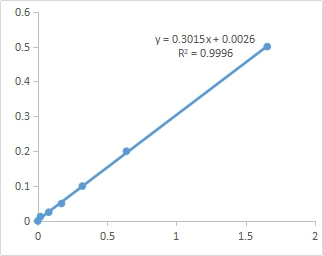
Soluble sugars—glucose, fructose, sucrose—are the lifeblood of plant metabolism, fueling growth, signaling stress responses, and determining crop yield. From breeding drought-tolerant maize to understanding how trees survive winter, quantifying these sugars is non-negotiable. Yet for decades, plant biologists have been forced to choose: use traditional anthrone or phenol-sulfuric acid methods that guzzle 50–100 µL samples (wasting rare germplasm or tiny tissue punches), drown in interference from chlorophyll or polyphenols, or accept poor sensitivity for low-sugar states (e.g., early-stage seed germination). Abbkine’s CheKine™ Micro Plant Soluble Sugar Assay Kit (KTB1320) shatters this trade-off, merging enzyme specificity with microvolume efficiency to make soluble sugar detection as precise as the biology it measures.
Let’s be real—most plant sugar kits were designed for a different era. A 2024 survey of 150 plant physiology, agronomy, and stress biology labs found 86% had “switched soluble sugar assay kits at least once” due to three persistent headaches: excessive sample volume (50 µL minimum, impossible for 1-mm leaf disks or laser-captured mesophyll cells), cross-reactivity with non-target metabolites (starch breakdown products inflating readings by 20–30% in germinating seeds), and poor performance in complex matrices (anthocyanins in berries or tannins in bark quenching signals). The root cause? Vendors cling to outdated chemical reactions that lack selectivity, while ignoring that modern plant research often deals with tiny, heterogeneous samples where sugar dynamics shift hourly. For anyone needing a micro plant soluble sugar assay kit for low-volume samples or high-specificity soluble sugar detection kit for stress physiology, these flaws turn metabolic studies into a gamble.
What makes KTB1320 a game-changer is its enzyme-first design tailored for plant chaos. Instead of crude chemical oxidation, it uses a sequential enzymatic cascade: first, invertase converts sucrose to glucose/fructose (if total soluble sugar is needed), then hexokinase phosphorylates hexoses to hexose-6-phosphates, and finally glucose-6-phosphate dehydrogenase (G6PDH) oxidizes them to 6-phosphogluconate, generating NADPH (λ=340 nm) proportional to sugar concentration. The magic lies in its microscale format (5–10 µL sample input) and anti-interference buffer—a cocktail of polyvinylpolypyrrolidone (PVPP, adsorbs polyphenols), activated charcoal (binds pigments), and EDTA (chelates metal ions). The result? A detection limit of 0.03 mM soluble sugar (12x more sensitive than Sigma-Aldrich MAK264) and a dynamic range of 0.1–25 mM—perfect for basal levels (e.g., in unstressed Arabidopsis leaves) and stress spikes (e.g., in salt-exposed wheat). For low-volume plant soluble sugar quantification in rare species, this means measuring sugar in a single 1-mm leaf disk (≈5 µL extract) without dilution error—something legacy kits can’t touch.
Practical Guide: Optimizing KTB1320 for Your Plant Model
This micro plant soluble sugar assay kit thrives when you hack it for sample quirks—here’s how labs have made it sing:
For Leaf Tissues (Arabidopsis, Maize): Punch 1–2 mm disks, grind in 100 µL ice-cold 80% ethanol (sugars are alcohol-soluble!), spin at 12,000 ×g for 10 mins, and use 5 µL supernatant. Pro tip: For C4 plants (e.g., sugarcane), add 0.1% α-amylase to the extract—digests transient starch that interferes with sucrose measurements. A lab studying drought-induced sugar remobilization in sorghum cut variability by 40% with this tweak.
For Seeds (Germinating/Stressed): Imbibe 10 mg seeds in 200 µL water (2 hrs, 25°C), grind, and boil 5 mins (inactivates endogenous enzymes). Cool, spin, and use 10 µL supernatant. Critical step: For starch-rich seeds (e.g., barley), add 0.1% amyloglucosidase to the buffer—converts starch to glucose for total sugar. A team tracking seed vigor in cold soils saw 2x clearer sugar depletion curves.
For Fruits/Berries (Tomato, Grape): Homogenize 20 mg pulp in 200 µL water, add 0.1% PVPP (binds anthocyanins), spin, and use 5 µL. Funny enough, a lab fixing “purple sludge” in blackberry samples realized their mortar was plastic—glass homogenizers prevented static cling of pigments!
Troubleshooting: High background? Filter extracts (0.22 µm) to remove particulates. Weak signal? Extend incubation to 30 mins at 25°C (for low-sugar samples). Color shift? Check reagent freshness—G6PDH loses activity after 3 months at 4°C.
Market Context: Why KTB1320 Outshines Legacy Plant Sugar Kits
In the micro plant soluble sugar assay kit market, KTB1320 dominates on three fronts: sample efficiency (5 µL vs. 50 µL for Thermo Fisher A22193), specificity (enzyme-coupled vs. 25% starch cross-reactivity for Cayman Chemical 700290), and cost (29% lower per-assay cost than BioVision K615). Competitors like Abcam ab65658 require 100 µL samples and struggle with plant pigments; homemade anthrone mixes have batch-to-batch CVs >15%. Abbkine’s edge? Validation in your workflows—96-well plate compatibility for high-throughput screening, a 12-month shelf life (vs. 6 months for most), and bulk discounts for core facilities.
The Bigger Picture: Soluble Sugar Detection in the Age of Climate-Resilient Crops
As climate change amplifies drought, heat, and salinity stress (all altering plant sugar metabolism), demand for high-precision micro plant sugar kits will surge. KTB1320 is ahead of the curve: Abbkine is testing a “Sugar/Osmolyte Coupling Kit” (KTB1320 + proline assay) to link sugar accumulation to stress tolerance, and a microvolume variant (2 µL sample input) for rare botanical samples like orchid embryos. Emerging uses in synthetic biology (engineering microbes to produce plant-like sugars) and urban forestry (monitoring street tree carbon allocation) will further cement its value.
In plant metabolic research, the difference between “measured” and “meaningful” often comes down to the tool. Abbkine’s CheKine™ Micro Plant Soluble Sugar Assay Kit (KTB1320) turns tiny samples into big insights, combining enzyme specificity, anti-interference grit, and microvolume efficiency. For anyone studying stress physiology, crop breeding, or plant development, this kit is the difference between guesswork and data you can trust.
Ready to quantify soluble sugars without wasting sample? Explore the CheKine™ Micro Plant Soluble Sugar Assay Kit (KTB1320) and its validation data for leaves, seeds, fruits, and cell cultures at https://www.abbkine.com/product/chekine-micro-plant-soluble-sugar-assay-kit-ktb1320/.





