




The Microbial Pulse of Soil: A Direct Measure of Vitality with the CheKine™ Micro Soil Dehydrogenase Assay Kit
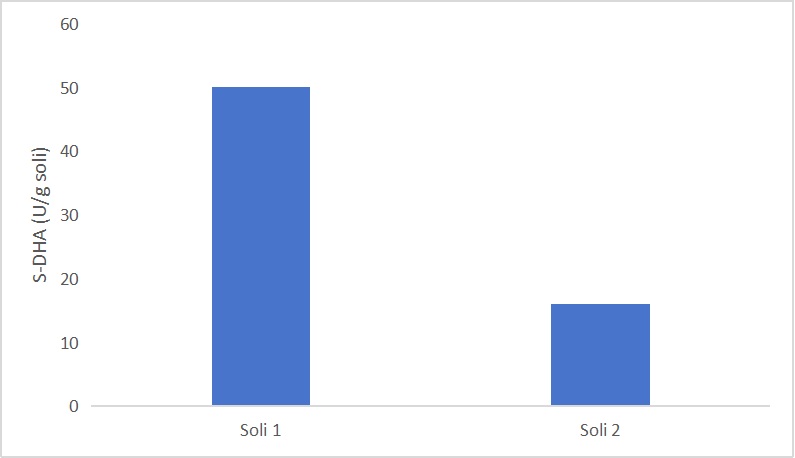
In the dynamic world beneath our feet, the collective breath of countless microorganisms drives the essential processes that sustain terrestrial life. Among the most telling indicators of this hidden metabolic activity is Soil Dehydrogenase (S-DHA), a key enzyme present in virtually all living soil microbes. S-DHA activity serves as a direct and integrative measure of the total oxidative metabolic capacity of the soil microbial community, reflecting its ability to degrade organic matter and cycle nutrients. Accurately quantifying this activity is therefore paramount for agronomists, ecologists, and environmental scientists aiming to assess soil health, monitor bioremediation processes, and evaluate the impact of land management practices. The CheKine™ Micro Soil Dehydrogenase (S-DHA) Activity Assay Kit (KTB4033) from Abbkine provides a robust, colorimetric solution specifically designed for this critical measurement. This optimized kit enables researchers to precisely and efficiently determine S-DHA activity in soil samples, offering a reliable window into the functional state of the soil microbiome and its response to environmental changes .
Why Soil Dehydrogenase Activity is a Cornerstone of Soil Health Assessment
Soil Dehydrogenase (EC 1.1.1. and related classes) is an intracellular enzyme involved in the microbial respiratory chain, catalyzing the transfer of hydrogen from organic substrates to acceptors. Its activity is directly proportional to the number of metabolically active microorganisms and their respiratory rate, making it one of the most sensitive biological indicators of overall soil microbial activity . Unlike enzymes involved in specific nutrient cycles, dehydrogenase reflects the total oxidative metabolic potential of the soil biota. Consequently, S-DHA activity is widely used as a fundamental biomarker for assessing soil quality, organic matter decomposition potential, and the toxicological impact of pollutants . High dehydrogenase activity typically correlates with healthy, fertile soils rich in organic matter and a diverse microbial community. Monitoring changes in this activity allows researchers to evaluate the effects of agricultural practices (e.g., fertilization, tillage, crop rotation), track soil recovery after contamination, and study the influence of climate variables on microbial metabolism .
Assay Principle: The TTC Reduction Method for Specific and Sensitive Detection
The CheKine™ kit is based on the well-established and highly specific colorimetric method using 2,3,5-Triphenyl Tetrazolium Chloride (TTC) as an artificial electron acceptor . In this assay, active soil microorganisms respire and transfer electrons (hydrogen) from organic substrates to the colorless, water-soluble TTC molecule. This reduction reaction, catalyzed by dehydrogenase enzymes, converts TTC into an insoluble, red-colored compound called Triphenyl Formazone (TFF). The amount of red TFF formed is directly proportional to the overall dehydrogenase activity in the soil sample. Following an incubation period, the TFF is extracted, and its absorbance is measured spectrophotometrically at 485 nm, the wavelength of its maximum absorption . The intensity of the red color provides a quantitative measure of the enzyme activity. The kit includes all necessary reagents, and the protocol is optimized for soil matrices, ensuring accurate and reproducible results that can be expressed in standardized units (e.g., μg TFF formed per gram of soil per hour).
Engineered for Practical Laboratory Use: Key Features of the Kit
• Validated for Diverse Soil Matrices: The kit has been extensively validated for a wide range of soil types, ensuring reliable performance across different textures, organic matter contents, and pH levels, which is crucial for comparative ecological studies .
• Micro-Method Design for High Efficiency: Optimized as a microplate-based assay, it requires only small amounts of soil sample and reagents. This design enables high-throughput screening of dozens of samples simultaneously, significantly saving time, reducing costs, and minimizing laboratory waste .
• Streamlined and User-Friendly Protocol: The procedure is straightforward with clear, step-by-step instructions, making it accessible for routine laboratory use without the need for highly specialized equipment beyond a standard microplate reader or spectrophotometer .
• High Sensitivity and Reproducibility: The TTC-TFF reaction offers excellent sensitivity, allowing for the detection of even low levels of microbial activity. The optimized reagent formulation ensures consistent and stable color development, leading to highly reproducible results within and between assay runs .
• Ready-to-Use Components and Convenient Storage: All necessary reagents are provided in a ready-to-use or easy-to-prepare format. The complete kit has a shelf life of 6 months when stored at 4°C, protected from light, offering good stability for project planning .
Broad Spectrum of Applications in Research and Monitoring
- Soil Health and Quality Monitoring: Serve as a primary biological indicator to assess and compare the health and fertility of soils under different management regimes, such as organic versus conventional farming, or in restored versus degraded lands .
- Ecotoxicology and Pollution Assessment: Act as a sensitive endpoint to evaluate the toxicity of contaminants like heavy metals, pesticides, or hydrocarbons on soil microbial communities. A decrease in dehydrogenase activity is a clear sign of microbial stress or inhibition .
- Composting and Organic Waste Management: Monitor the maturation and microbial activity during composting processes, helping to determine the stability and quality of the final compost product.
- Bioremediation Studies: Track the recovery and enhancement of microbial activity in soils undergoing remediation for oil spills or other organic pollutants, providing a functional measure of remediation success.
- Agricultural Research: Investigate the impact of different fertilizers, amendments (e.g., biochar, manure), and irrigation practices on soil microbial vitality and its link to crop productivity and sustainability.
- Ecological and Climate Change Research: Study how soil microbial respiration and organic matter turnover respond to environmental factors such as temperature, moisture, and land-use change, contributing data to ecosystem models .
A Straightforward Workflow from Soil to Data
The assay process is designed for efficiency and reliability. A defined amount of fresh or properly stored soil is incubated with the TTC substrate solution under optimal conditions (e.g., 37°C in the dark) for a specified period, typically 6-24 hours. After incubation, the reaction is stopped, and the red formazan (TFF) produced is extracted using an organic solvent (e.g., methanol or acetone). The absorbance of the extract is then measured at 485 nm. A standard curve can be prepared using known amounts of TFF (though often the molar extinction coefficient is used for calculation). The dehydrogenase activity is calculated based on the amount of TFF formed per unit weight of dry soil per unit incubation time, following the clear formula provided in the detailed manual. For best results, using fresh soil samples is recommended, and controls should be included to account for any abiotic reduction of TTC.
Why the CheKine™ Kit is an Indispensable Tool for Soil Scientists
In an era where understanding and preserving soil ecosystem services is critical, having robust, accessible tools to measure microbial function is non-negotiable. The CheKine™ Micro Soil Dehydrogenase (S-DHA) Activity Assay Kit (KTB4033) stands out by transforming a complex biochemical assessment into a standardized, reliable, and scalable laboratory procedure. Its soil-optimized protocol ensures accuracy, its microplate format enables high efficiency for screening studies, and its comprehensive design guarantees ease of use. By providing a direct measure of total microbial metabolic activity, this kit empowers researchers and environmental managers to make informed decisions about soil management, assess environmental impacts, and contribute to the sustainable stewardship of our planet's vital soil resources. It is an essential instrument for anyone dedicated to probing the living heart of the soil.
Product Reference: KTB4033 – CheKine™ Micro Soil Dehydrogenase (S-DHA) Activity Assay Kit
Learn more and order: https://www.abbkine.com/product/chekine-micro-soil-dehydrogenase-s-dha-activity-assay-kit-ktb4033/





