TGFβ1 Polyclonal Antibody (ABP52598): C-Terminal Epitope Targeting for the Master Fibrotic Cytokine
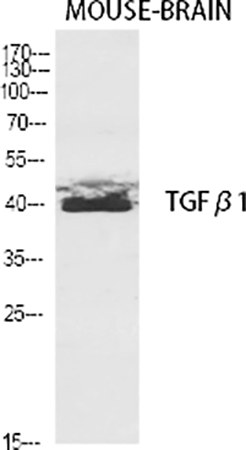
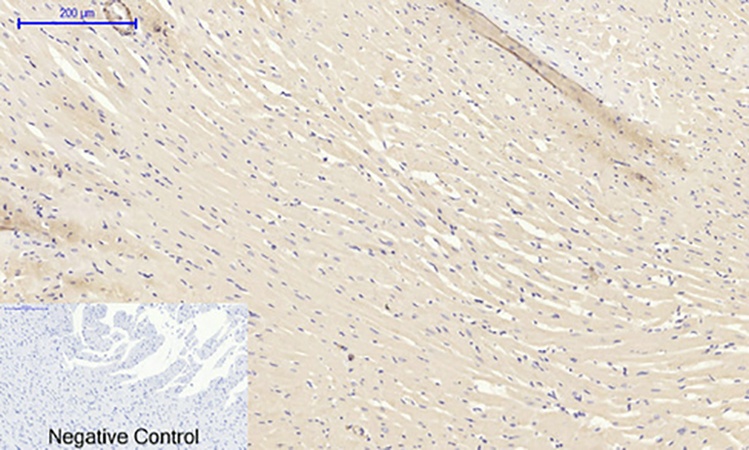
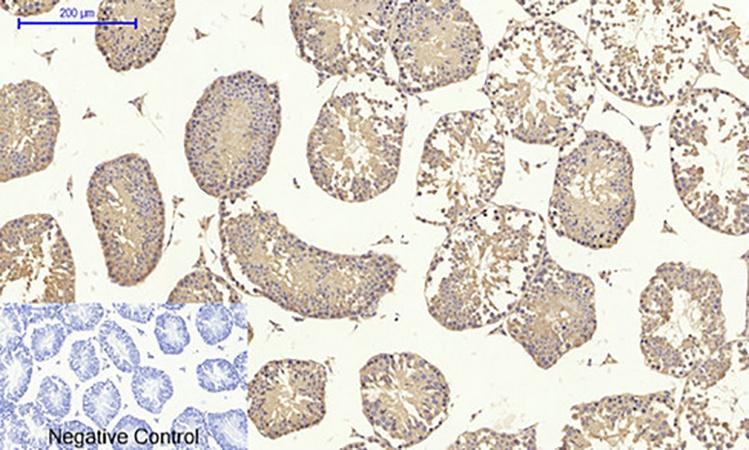
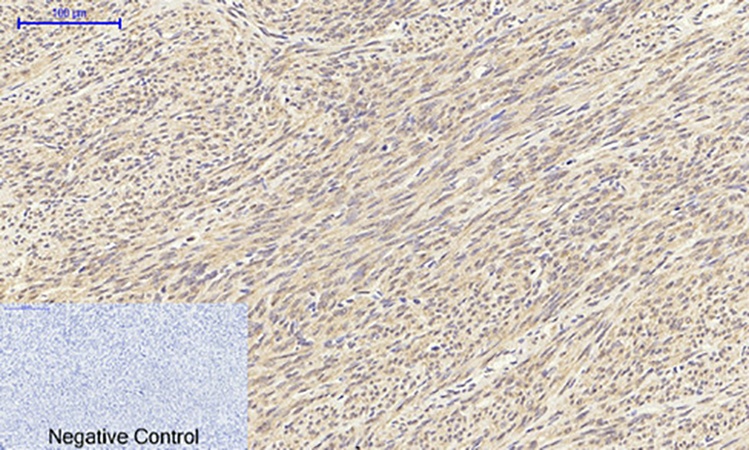
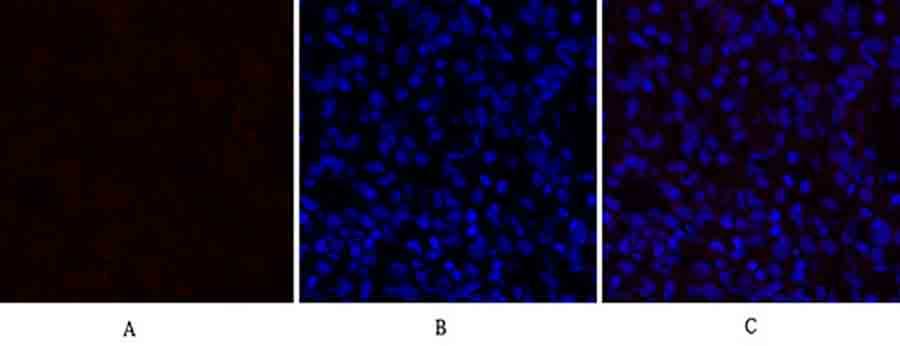
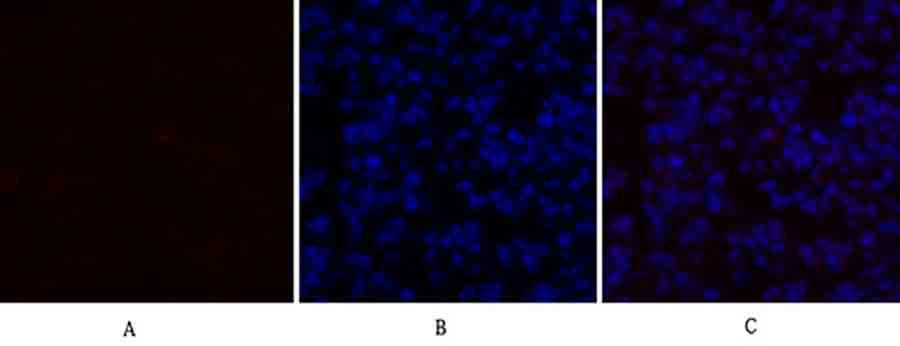
TGFβ1 Detection: Distinguishing the Latent Complex from the Active Dimer
TGFβ1 is the prototypical member of the TGF-beta superfamily—a secreted ligand that binds TGF-beta receptors, recruits SMAD transcription factors, and regulates proliferation, differentiation, and extracellular matrix production[reference:8]. Its dysregulation drives fibrosis, tumor progression, and Camurati-Engelmann disease[reference:9].
The detection challenge is biosynthetic: TGFβ1 is synthesized as a preproprotein that is proteolytically processed into a latency-associated peptide (LAP) and a mature peptide[reference:10]. The mature peptide exists in two states—a latent complex (mature dimer + LAP + latent TGF-beta binding protein) and an active form consisting solely of the mature peptide homodimer. Antibodies targeting the LAP region detect latent TGFβ1 but miss the active pool; antibodies targeting the mature region can detect both, but require careful epitope selection to avoid LAP cross-reactivity.
Strategic C-Terminal Immunogen (aa 310–390)
Abbkine's TGFβ1 Polyclonal Antibody (ABP52598) is raised against a synthesized peptide derived from the C-terminal region of human TGFβ1 at amino acid range 310–390[reference:11]. This segment lies within the mature peptide region, distal to the LAP cleavage site—positioning the antibody to recognize the mature TGFβ1 polypeptide while maintaining reactivity across the latent and active forms.
Three Peer-Reviewed Publications
Unlike many commercial TGFβ1 antibodies that ship without application-specific validation, ABP52598 has been cited in 3 publications, providing independent evidence of its performance in real-world research contexts.
Complete Application and Specification Profile
| Application | Suggested Dilution |
|---|---|
| Western Blot | 1:500–1:2000 |
| IHC | 1:100–1:300 |
| Immunofluorescence | 1:100–1:300 |
| ELISA | 1:20,000 |
| Parameter | ABP52598 |
|---|---|
| Target | TGFβ1 / TGFB1 |
| Host | Rabbit |
| Reactivity | Human, Mouse, Rat |
| Observed Molecular Weight | 44–55 kDa |
| Concentration | 1 mg/mL |
| Formulation | PBS, 50% glycerol, 0.5% BSA, 0.02% sodium azide |
Head-to-Head: TGFβ1 Antibody Comparison
| Feature | ABP52598 | LAP-Specific Antibodies | Pan-TGFβ Antibodies |
|---|---|---|---|
| Epitope | C-terminal mature region (aa 310–390) | LAP region | Often conserved across isoforms |
| Latent vs. Active Discrimination | Detects mature polypeptide in both states | Latent only | Variable |
| Isoform Specificity | TGFβ1 | Variable | Often cross-reactive with TGFβ2/β3 |
| Publications | 3 | Variable | Variable |
| Applications | WB, IHC, IF, ELISA | Often limited | Variable |
The Bottom Line
For researchers mapping TGFβ1-driven fibrosis, epithelial-mesenchymal transition, or tumor immune suppression, ABP52598 provides C-terminal mature-region epitope specificity and published validation—ensuring your TGFβ1 data reflects the biologically active ligand pool, not just the latent reservoir.
📎 Reference: TGFβ1 Polyclonal Antibody (ABP52598)