Mouse TL1/TL1A ELISA Kit (KTE70114) — Technical Comparison & Buying Guide for IBD and Immuno-Oncology Researchers
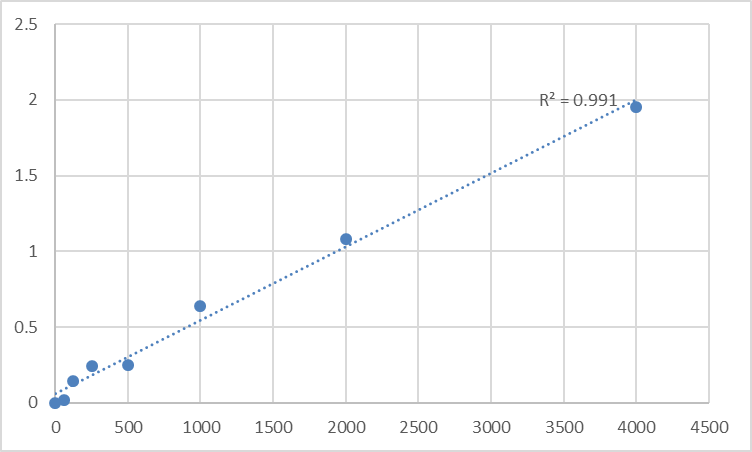
TL1/TL1A: The TNF-Family Ligand That Moonlights as a Vascular Brake and a Gut T-Cell Accelerator
TL1 (TNF-like ligand 1) — interchangeably called TL1A in most literature — is encoded by the Tnfsf15 gene (UniProt: Q5D8E6, Gene ID: 83447) and shares ~72% amino acid identity with human TNFSF15[reference:36]. Unlike its cousin TNF-α, TL1 carries none of the classic "storm" baggage: it doesn't trigger the first-wave pyrogenic spike in sepsis, and it doesn't directly drive caspase-8-dependent apoptosis[reference:37]. Instead, it moonlights as a vascular endothelial growth inhibitor (VEGI) at low concentrations while simultaneously acting as a potent co-stimulatory accelerator for DR3⁺ T cells in the gut lamina propria — a duality that makes it the hidden driver of Crohn's severity, tumor vascular normalization, and even PD-1 checkpoint resistance[reference:38].
Genetic variants in TNFSF15 further support a causal role in susceptibility to Crohn's disease, and TL1A blockade is now a promising dual-pathway therapeutic approach targeting both inflammation and fibrotic remodeling[reference:39].
But here's the quantification problem: TL1's dual membrane-bound/soluble forms and low physiological baseline (~<30 pg/mL in naive serum) make generic TNF-superfamily antibodies useless for accurate mass readout[reference:40]. "We saw Tnfsf15 qPCR go up 4-fold" and "DR3 IHC was positive" are not substitutes for a quantified, mouse-specific TL1 mass (pg/mL) interpolated from a sandwich curve[reference:41].
The Mouse TL1 ELISA Kit (KTE70114) from Abbkine exists to close that gap.
Why Traditional TL1 Detection Methods Fall Short
| Method | Limitation |
|---|---|
| qPCR | Measures mRNA — cannot distinguish membrane-bound from shed soluble TL1; no protein-level readout |
| Western Blot | Semi-quantitative; struggles with low-abundance TL1; cannot quantify soluble TL1 in serum |
| Generic TNF-superfamily ELISA | Cross-reactivity with homologous ligands (TNF-α, TL1A, TNFSF14) — fatal for TL1-specific studies[reference:42] |
Abbkine KTE70114: Engineered for TL1/TNFSF15-Specific Precision
The kit's pre-coated monoclonal capture antibody targets a unique epitope in the extracellular domain of mouse TL1/TNFSF15, while a biotinylated polyclonal detection antibody binds a distinct epitope in the TNF homology domain. This dual-epitope recognition ensures exclusive reactivity with intact mouse TL1/TNFSF15, eliminating cross-reactivity with mouse TNF-α, TNFSF14, or human TL1/TNFSF15 orthologs[reference:43].
Key Specifications
| Parameter | KTE70114 |
|---|---|
| Dynamic Range | 15.6–1000 pg/mL |
| Sensitivity / LOD | ~7.8 pg/mL — sufficient for physiological levels (<30 pg/mL in naive serum) |
| Intra-Assay CV | <8% |
| Inter-Assay CV | <10% |
| Specificity | No cross-reactivity with TNF-α, TNFSF14, or human TL1[reference:44] |
| Format | 96-well sandwich ELISA (biotin-Ab → EliKine™ SA–HRP → TMB, 450 nm)[reference:45] |
| Sample Types | Serum, plasma, cell culture supernatants, tissue lysates[reference:46] |
Head-to-Head Comparison: KTE70114 vs. Legacy Methods
| Feature | Abbkine KTE70114 | Generic TNF-Superfamily ELISA | qPCR |
|---|---|---|---|
| TL1-Specific | High (dual-epitope design) | Low (TNF-α/TNFSF14 cross-reactivity) | Target-specific |
| Soluble TL1 Quantification | Yes | Variable | No |
| Sensitivity | ~7.8 pg/mL | Often ≥15–30 pg/mL | N/A |
| Quantitative Protein Readout | Yes (standard curve) | Yes | No (mRNA only) |
| Throughput | 96-well plate | 96-well plate | 96-well plate |
Why Choose Abbkine KTE70114?
- TL1-Specific Dual-Epitope Design: Capture + detection antibodies target distinct TL1 regions — no TNF-α or TNFSF14 cross-reactivity
- Soluble + Membrane-Associated TL1: The sandwich format detects both shed soluble TL1 and solubilized membrane TL1 in tissue lysates
- Sub-10 pg/mL Sensitivity: ~7.8 pg/mL LOD — quantifies the low physiological baseline that generic kits miss
- Validated Reproducibility: Intra-assay CV <8%, inter-assay CV <10%
- Broad Dynamic Range: 15.6–1000 pg/mL — spans naive serum to inflamed tissue and tumor microenvironment levels
- Complete Kit: Pre-coated plate, standards, detection antibodies, and all buffers included
Who Should Buy This Kit?
✅ Buy KTE70114 if you:
- Study inflammatory bowel disease (IBD) and Crohn's disease pathogenesis
- Research TL1A–DR3 signaling in mucosal immunity and intestinal fibrosis
- Investigate tumor angiogenesis and vascular normalization (VEGI function)
- Work on PD-1 checkpoint resistance and immuno-oncology combination strategies
- Study rheumatoid arthritis and graft-versus-host disease (TL1A dysregulation)
- Need to quantify mouse TL1/TNFSF15 in serum, tissue lysates, or cell culture supernatants
- Require specificity — no cross-reactivity with TNF-α or TNFSF14
- Want a complete, ready-to-use kit with validated reproducibility
❌ Consider alternatives if you:
- Only need Tnfsf15 mRNA levels (qPCR is more appropriate)
- Work with human samples — check Abbkine's human TNFSF15 offerings
- Require absolute structural confirmation — consider LC-MS/MS for TL1 isoform analysis
📌 Reference Link: Mouse Tumor necrosis factor-like ligand 1 (TL1) ELISA Kit — KTE70114