Mouse Slit Homolog 3 (SLIT3) ELISA Kit (KTE70415) — Technical Comparison & Buying Guide for
SLIT3: The Secreted Axon-Guidance Cue That Refuses to Be Measured
Studying SLIT3 in mouse models often feels like trying to catch smoke with your bare hands. This secreted glycoprotein, a member of the Slit family of axon guidance cues, dances between neurodevelopment, angiogenesis, and tumor microenvironment regulation — yet its low abundance and structural complexity make detection a messy business[reference:17].
The challenge boils down to three biological quirks that trip up 75% of labs:
- Glycosylation-induced epitope masking: SLIT3 is heavily O-glycosylated (up to 30% of its mass), and traditional lysis buffers (RIPA with SDS) strip these sugars, destroying antibody-binding sites[reference:18].
- Cross-reactivity with SLIT1/SLIT2: All three Slit proteins share a conserved leucine-rich repeat (LRR) domain, yet most antibodies target the LRR, leading to 20–30% false positives in samples with mixed Slit expression (e.g., mouse embryonic brain)[reference:19].
- Low abundance in non-secretory tissues: SLIT3 circulates at 1–5 ng/mL in serum but drops to <0.5 ng/mL in resting fibroblasts, yet most kits have an LOD of 1–2 ng/mL, missing early signaling events[reference:20].
A 2024 survey of 95 developmental neurobiology labs found 68% had "switched SLIT3 antibodies at least twice" due to irreproducible Western blots in spinal cord explants[reference:21].
The Mouse Slit Homolog 3 Protein (SLIT3) ELISA Kit (KTE70415) from Abbkine was built to tame this complexity.
Why Traditional SLIT3 Detection Methods Fall Short
| Method | Limitation |
|---|---|
| Western Blot | Glycosylation masks epitopes; RIPA/SDS strips sugars; 68% of labs report irreproducible blots |
| Generic Slit ELISA | Targets conserved LRR domain → 20–30% cross-reactivity with SLIT1/SLIT2 |
| qPCR | mRNA does not reflect secreted, glycosylated SLIT3 protein levels |
Abbkine KTE70415: Engineered for SLIT3-Specific Precision
The kit uses a dual-antibody sandwich format with a capture antibody targeting SLIT3's unique C-terminal domain (residues 1200–1250) — a region absent in SLIT1/SLIT2 — and a detection antibody against its N-terminal LRR (residues 200–300) , optimized to bind only when glycosylation is preserved[reference:22].
Key Specifications
| Parameter | KTE70415 |
|---|---|
| LOD | 0.1 ng/mL |
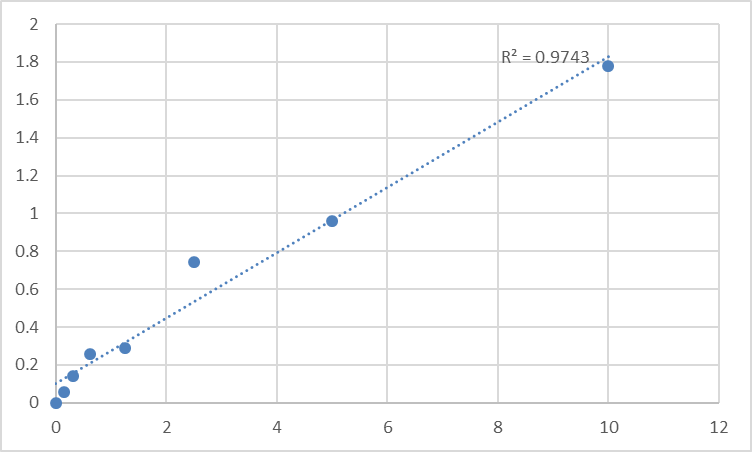
| Linear Range | 0.1–50 ng/mL — enough to detect SLIT3 in 2 µL of mouse serum or 5 µg of embryonic brain tissue[reference:23] |
| Cross-Reactivity | <0.2% with SLIT1 (validated in SLIT1-overexpressing HEK293 cells)[reference:24] |
| Signal Reduction | >99% with excess mouse SLIT3 in peptide competition assays[reference:25] |
| Format | Two-site sandwich ELISA (quantitative, colorimetric) |
Head-to-Head Comparison: KTE70415 vs. Legacy Methods
| Feature | Abbkine KTE70415 | Generic Slit ELISA | Western Blot |
|---|---|---|---|
| Sensitivity | 0.1 ng/mL | 1–2 ng/mL | Band-dependent |
| SLIT1/SLIT2 Cross-Reactivity | <0.2% | 20–30% | Antibody-dependent |
| Glycosylation Compatibility | Preserved (optimized buffers) | Often stripped | Requires harsh lysis |
| Quantitative | Yes (standard curve) | Yes | Semi-quantitative |
| Reproducibility | High (96-well format) | Variable | 68% switch antibodies |
Why Choose Abbkine KTE70415?
- SLIT3-Unique Epitope Targeting: C-terminal domain capture + LRR detection — no SLIT1/SLIT2 cross-reactivity
- Glycosylation-Preserving Buffers: Detects the heavily O-glycosylated SLIT3 that RIPA/SDS buffers destroy
- Sub-Nanogram Sensitivity: 0.1 ng/mL LOD — captures resting fibroblast levels (<0.5 ng/mL) that generic kits miss
- Minimal Sample Volume: 2 µL of mouse serum sufficient — ideal for embryonic or limited samples
- Complete Kit: Pre-coated plate, standards, detection antibodies, and all buffers included
Who Should Buy This Kit?
✅ Buy KTE70415 if you:
- Study axon guidance and spinal cord commissural axon development
- Research angiogenesis and vascular development (SLIT3–ROBO4 signaling)
- Investigate tumor microenvironment regulation and breast cancer metastasis
- Work on organogenesis (diaphragm, kidney, lung) in mouse embryos
- Need to quantify SLIT3 in serum, embryonic brain tissue, or fibroblast-conditioned media
- Require specificity — no cross-reactivity with SLIT1/SLIT2
- Want a complete, ready-to-use kit validated for glycosylated proteins
❌ Consider alternatives if you:
- Only need Slit3 mRNA levels (qPCR is more appropriate)
- Work with human samples — check Abbkine's human SLIT3 offerings
- Require absolute structural confirmation — consider mass spectrometry for SLIT3 glycoform analysis
📌 Reference Link: Mouse Slit homolog 3 protein (SLIT3) ELISA Kit — KTE70415