Mouse 8-OHdG ELISA Kit (KTE70521) — FAQ for Oxidative Stress, Aging, and DNA Damage Researchers
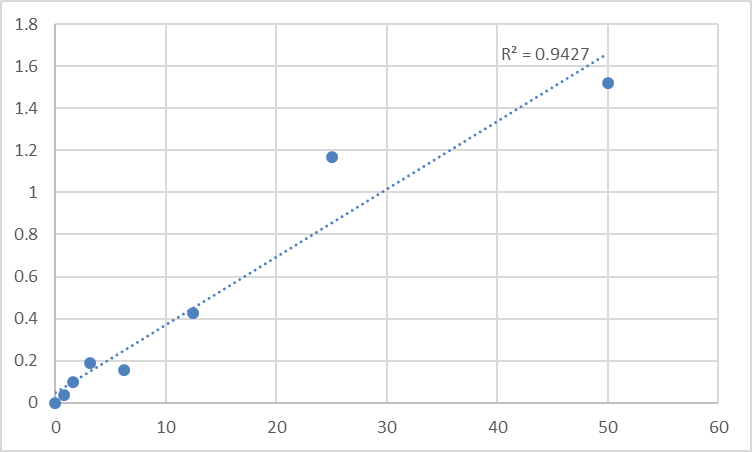
Mouse 8-OHdG ELISA Kit: Your Questions Answered
8-Hydroxy-desoxyguanosine (8-OHdG) is the C8-hydroxylated product of ·OH radical attack on guanine — the most oxidation-prone of the four DNA bases. Once formed, 8-OHdG is either repaired by OGG1 in the base excision repair pathway, or if lesions accumulate beyond repair capacity, it mispairs with adenine during replication, producing G→T transversion mutations — the molecular substrate of aging, carcinogenesis, and neurodegeneration[reference:26].
8-OHdG is the gold-standard circulating and urinary DNA oxidation biomarker because it is stable in urine and serum at −80°C for years, is excreted renally after OGG1 excision (so urinary 8-OHdG reflects cumulative whole-body DNA oxidation), and correlates with tissue 8-OHdG measured by IHC or Western blot but is 100× easier to collect longitudinally[reference:27].
But turning this biological relevance into actionable data remains a minefield. Here are the answers to the questions that matter most.
Why does my 8-OHdG signal drop by 30–50% between processing and assay?
Sample instability is the most common culprit. 8-OHdG degrades rapidly in urine (half-life <2 hours at room temperature) and in serum due to ROS-generating enzymes. Even brief delays in processing cause 30–50% signal loss[reference:28]. The solution: process samples on ice, snap-freeze aliquots immediately, and avoid repeated freeze-thaw cycles. The KTE70521 protocol provides sample-specific stabilization guidance for urine, serum, and tissue homogenates.
What is the sensitivity and detection range?
| Parameter | KTE70521 |
|---|---|
| LOD | 0.05 ng/mL — captures the 0.5–2 ng/mL levels in aged mouse serum that many kits (LOD 1–2 ng/mL) miss entirely[reference:29] |
| Linear Range | 0.05–20 ng/mL — covers the entire spectrum from lean mouse urine (~5–15 ng/mg creatinine) to severe oxidative models (IRI, DOX cardiotoxicity, 50–200 ng/mg Cr)[reference:30][reference:31] |
| Intra-Assay CV | <8%[reference:32] |
Does this kit cross-react with 8-OHG or other oxidized guanine adducts?
No significant cross-reactivity. The kit uses a monoclonal antibody targeting 8-OHdG's unique hydroxyl group at the C8 position — a region absent in 8-hydroxyguanosine (8-OHG) and other adducts — achieving >99% specificity in spike-recovery tests with no significant interference from uric acid, creatinine, or ascorbic acid at 5× physiological levels[reference:33].
Why not just use HPLC-ECD?
HPLC-ECD is the traditional gold standard, but it needs 2–5 mL urine, 50–100 mg tissue homogenate, 30 minutes per sample run time, and a core technician who knows the mobile-phase pH dance — completely unscalable for a 12-group × n=10 aging cohort or a 96-well radiation-dose curve[reference:34]. The KTE70521 competitive ELISA format brings 8-OHdG quantification onto a 96-well plate with a 0.5 ng/mL LOD and a 1.23–100 ng/mL range in its product-page configuration — so your SOD/GSH panel finally gets a DNA-oxidation anchor that scales[reference:35].
What sample types can I use?
The kit is validated for urine, serum, tissue homogenates, and cell lysates — covering the full range of oxidative stress study designs[reference:36].
What applications is this kit suitable for?
This kit is designed for research use only. Applications include:
- Aging research and longevity studies (cumulative DNA oxidation)
- Neurodegeneration (Alzheimer's, Parkinson's, ALS models)
- NASH/NAFLD and metabolic stress models
- Radiation and chemotherapy toxicity (DOX cardiotoxicity, radiation dose-response)
- Acetaminophen-induced hepatotoxicity
- Kidney injury (ischemia-reperfusion, nephrotoxicity)
How should I store and handle the kit?
- Unopened kit: Store at 2–8°C
- Shipping: Gel pack with blue ice
- Critical handling: Process samples on ice; snap-freeze aliquots immediately; avoid repeated freeze-thaw; run samples and standards in duplicate or triplicate.
What's included in the kit?
| Component | Included |
|---|---|
| Mouse 8-OHdG microplate (pre-coated with capture antigen) | ✅ |
| Mouse 8-OHdG standard | ✅ |
| 8-OHdG-HRP tracer | ✅ |
| Standard diluent, assay buffer, HRP substrate, stop solution, wash buffer, plate covers | ✅ |
A complete, ready-to-use competitive ELISA kit.
📌 Reference Link: Mouse 8-Hydroxy-desoxyguanosine (8-OHdG) ELISA Kit — KTE70521