Mouse Acetylcholine (ACh) ELISA Kit (KTE70539) — Technical Comparison & Buying Guide for Neuroscience and Autonomic Pharmacology Researchers
ACh: The 146-Da Cationic Neurotransmitter That Disappears in 60 Seconds
Acetylcholine (ACh, C₇H₁₇NO₃⁺, ~146 Da) is the neurotransmitter that built modern neuroscience — and the one that most reliably destroys your assay reproducibility. ACh has a synaptic half-life of ~1 ms in vivo and ~30–60 seconds in a homogenate without acetylcholinesterase inhibition, because every brain, muscle, and intestinal sample carries endogenous AChE and butyrylcholinesterase that keep chewing through your analyte between harvest and assay[reference:37].
If you've run an APP/PS1 or 5XFAD cohort through a donepezil efficacy study, you've almost certainly lived this: your "donepezil 5 mg/kg × 28 d" group shows a 40% ACh rise on Monday, but a 12% rise (ns) when you re-run the same −80°C aliquots on Thursday[reference:38].
The legacy methods have structural ceilings. HPLC-ECD needs 2–5 mL microdialysis perfusate or 50 mg tissue and 20–30 min/sample. The Ellman colorimetric assay has a 0.5–1 μM LOD — too high for hippocampal extracellular ACh (50–200 nM) — and choline cross-reactivity (~5–10%) makes intestinal and hepatic samples overestimate ACh by 20–40%[reference:39].
The Mouse Acetylcholine (ACh) ELISA Kit (KTE70539) from Abbkine is built to close both gaps.
Why Traditional ACh Detection Methods Fall Short
| Method | Limitation |
|---|---|
| HPLC-ECD | 2–5 mL perfusate or 50 mg tissue; 20–30 min/sample; core-facility dependence |
| Ellman Colorimetric Assay | LOD ~0.5–1 μM (too high for extracellular ACh); 5–10% choline cross-reactivity → 20–40% overestimation in choline-rich tissues |
| Generic ACh ELISA | Skips the AChE-inhibition prep step → every sample reads ~30% low |
Abbkine KTE70539: Engineered for ACh Stability and Sensitivity
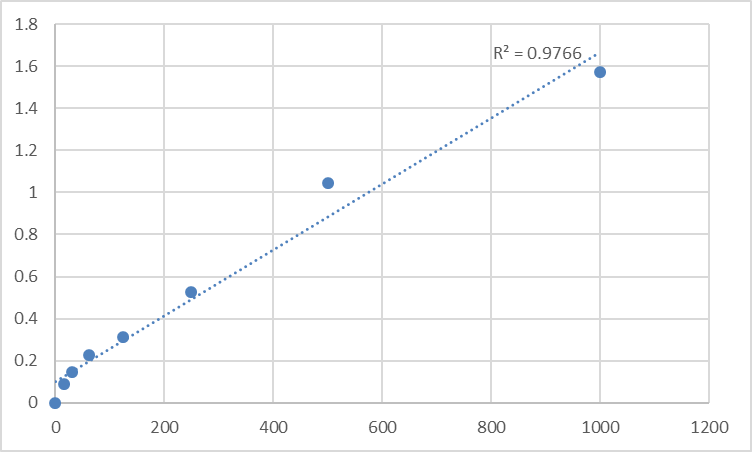
The kit uses a competitive ELISA format (ACh-HRP + sample ACh competing for ACh-BSA coating antigen) with a 96-well plate format and a sub-nanomolar LOD (~0.05–0.1 μM range-dependent)[reference:40]. Critically, it includes a validated AChE-inhibition prep protocol (eserine/physostigmine step to freeze endogenous AChE in the tissue before homogenization) — the step most "generic ACh ELISA" kits skip and then wonder why every sample reads 30% low[reference:41].
Key Specifications
| Parameter | KTE70539 |
|---|---|
| LOD | ~0.05–0.1 μM (sub-nanomolar, range-dependent) |
| Format | Competitive ELISA (quantitative, colorimetric) |
| Reactivity | Mouse |
| Sample Types | Hippocampal/cortical/striatal homogenate, intestinal ENS tissue, NMJ muscle, plasma (with rapid AChEi spike at bleed)[reference:42] |
| Product-Page Configuration | Two-site sandwich ELISA; calibration range and LOD "Please inquire"[reference:43] |
| Published Validation | Cited in research on Kuwanon G protecting HT22 cells from advanced glycation end product-induced damage[reference:44] |
Head-to-Head Comparison: KTE70539 vs. Legacy Methods
| Feature | Abbkine KTE70539 | HPLC-ECD | Ellman Assay |
|---|---|---|---|
| Sensitivity | Sub-nanomolar (~0.05–0.1 μM) | High | ~0.5–1 μM |
| Choline Cross-Reactivity | Minimized | None (structural) | 5–10% → 20–40% overestimation |
| AChE Stabilization | Protocol included | Requires immediate processing | Not included |
| Throughput | 96-well plate | 20–30 min/sample | 96-well-able |
| Sample Volume | Minimal | 2–5 mL perfusate or 50 mg tissue | Moderate |
Why Choose Abbkine KTE70539?
- Sub-Nanomolar Sensitivity: ~0.05–0.1 μM LOD — captures the 50–200 nM extracellular ACh range that Ellman misses
- AChE-Inhibition Protocol Included: The critical eserine/physostigmine prep step that generic kits skip — and that prevents the 30% signal loss from endogenous AChE
- Minimized Choline Cross-Reactivity: No 20–40% overestimation in choline-rich intestinal or hepatic samples
- 96-Well Throughput: Replaces 20–30 min/sample HPLC-ECD runs with a plate-based readout
- Broad Tissue Compatibility: Hippocampus, cortex, striatum, intestinal ENS, NMJ muscle, and plasma
- Published Validation: Cited in HT22 neuroprotection research
Who Should Buy This Kit?
✅ Buy KTE70539 if you:
- Study Alzheimer's disease and donepezil/galantamine efficacy in APP/PS1 or 5XFAD cohorts
- Research cholinergic neurotransmission in hippocampus, cortex, or striatum
- Investigate experimental autoimmune myasthenia gravis (EAMG) and neuromuscular junction function
- Work on intestinal enteric nervous system and gut motility
- Screen AChE inhibitor analogs in 96-well dose-response formats
- Need an ACh readout that doesn't vanish before the plate gets read
- Require a validated AChE-inhibition prep protocol included in the kit
❌ Consider alternatives if you:
- Require absolute structural confirmation with mass spectrometry
- Work with human samples — check Abbkine's human ACh offerings
- Need continuous online monitoring (microdialysis + HPLC remains the gold standard for dynamic release studies)
📌 Reference Link: Mouse Acetylcholine (ACH) ELISA Kit — KTE70539