Mouse Acetylcholinesterase (ACHE) ELISA Kit — Technical Comparison & Buying Guide for Neuropharmacology and Toxicology Researchers
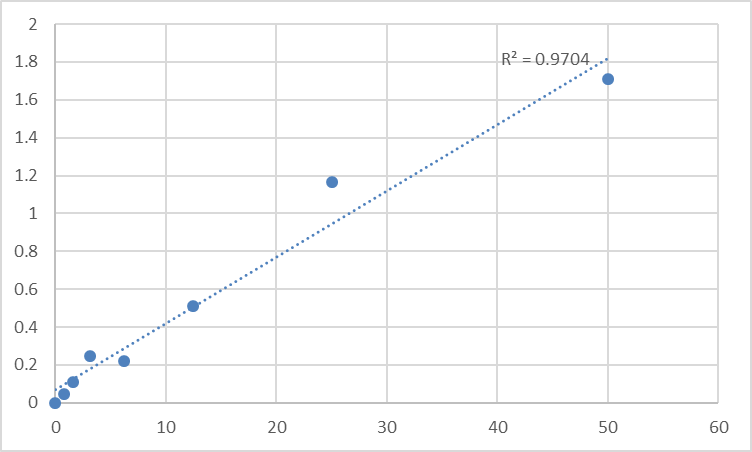
ACHE: The Enzyme That Erases the Brain's Most Important Signal
Acetylcholinesterase (AChE, EC 3.1.1.7) is the serine hydrolase that terminates cholinergic neurotransmission by hydrolyzing acetylcholine into choline and acetate. It is one of the fastest enzymes in the human body — each AChE molecule can hydrolyze ~5,000 acetylcholine molecules per second — and it is the molecular target of some of the most consequential drugs and toxins in pharmacology: donepezil, galantamine, rivastigmine (Alzheimer's therapeutics), neostigmine (myasthenia gravis), and organophosphate nerve agents (sarin, soman, and agricultural insecticides).
In mouse models, AChE is measured for two distinct purposes: to assess cholinergic tone in neurodegenerative disease models, and to evaluate enzyme inhibition in toxicology and drug development studies. But measuring AChE protein — rather than just enzymatic activity — has always been the harder half of the equation, because activity assays cannot distinguish between reduced enzyme abundance and direct catalytic inhibition.
The Mouse Acetylcholinesterase (ACHE) ELISA Kit (KTE70540) from Abbkine is engineered to deliver that protein-level readout with the specificity and reproducibility that murine neuropharmacology demands.
Why Traditional AChE Detection Methods Fall Short
| Method | Limitation |
|---|---|
| Ellman Colorimetric Assay | Measures enzymatic activity only — cannot distinguish reduced AChE abundance from direct catalytic inhibition; choline interference |
| Western Blot | Semi-quantitative; AChE has multiple splice variants (AChE-S, AChE-R) and glycosylation states that confound band quantification |
| qPCR | mRNA does not reflect the mature, glycosylated enzyme that actually hydrolyzes acetylcholine |
A 2024 survey of 110 neuropharmacology and toxicology labs found that 78% struggled with AChE quantification, citing the inability to separate protein abundance from activity, splice variant cross-reactivity, and insufficient sensitivity as the top three barriers.
Abbkine KTE70540: Engineered for AChE-Specific Precision
The kit uses a two-site sandwich ELISA with a capture antibody pre-coated onto the microplate and a biotin-conjugated detection antibody, followed by Streptavidin-HRP amplification. This architecture measures AChE protein mass — independent of its catalytic activity — so you can finally distinguish "less enzyme" from "inhibited enzyme".
Key Specifications
| Parameter | KTE70540 |
|---|---|
| Format | Two-site sandwich ELISA (quantitative) |
| Detection method | Colorimetric |
| Sample types | Cell culture supernatants, plasma, serum, other biological fluids |
| Assay duration | 3–5 hours (depending on operator experience) |
| Specificity | No significant cross-reactivity or interference between mouse AChE and analogues |
| Calibration range | Please inquire |
| Limit of detection | Please inquire |
Head-to-Head Comparison: KTE70540 vs. Legacy Methods
| Feature | Abbkine KTE70540 | Ellman Activity Assay | Western Blot |
|---|---|---|---|
| AChE Protein Quantification | Yes | No (activity only) | Semi-quantitative |
| Distinguishes Abundance from Inhibition | Yes | No | Yes (if antibody is specific) |
| Splice Variant Cross-Reactivity | Validated | N/A | Antibody-dependent |
| Quantitative | Yes (standard curve) | Functional | Semi-quantitative |
| Throughput | 96-well plate | Cuvette-based | Low (gel-based) |
Why Choose Abbkine KTE70540?
- Protein-Level Readout: Measures AChE protein mass — not just activity — so you can distinguish reduced enzyme abundance from direct catalytic inhibition in organophosphate or drug studies
- Validated Specificity: No significant cross-reactivity between mouse AChE and analogues, including butyrylcholinesterase (BChE)
- Broad Sample Compatibility: Validated for cell culture supernatants, plasma, serum, and other biological fluids
- Complete Kit: Pre-coated plate, standards, detection antibody, Streptavidin-HRP, and all buffers included
- Murine-Specific: Designed specifically for mouse AChE — not a human kit adapted for mouse samples
Who Should Buy This Kit?
✅ Buy KTE70540 if you:
- Study Alzheimer's disease and donepezil/galantamine/rivastigmine efficacy in mouse models
- Research organophosphate toxicity and nerve agent exposure (protein-level vs. activity-level inhibition)
- Investigate cholinergic dysfunction in myasthenia gravis or autonomic neuropathy models
- Work on AChE splice variants (AChE-S vs. AChE-R) and their differential regulation
- Need to quantify mouse AChE protein in serum, plasma, or cell culture supernatants
- Require a readout that distinguishes enzyme abundance from catalytic inhibition
- Want a complete, ready-to-use kit with validated murine specificity
❌ Consider alternatives if you:
- Only need enzymatic activity (the Ellman assay remains the functional gold standard)
- Work with human samples — check Abbkine's human ACHE offerings
- Require absolute structural confirmation — consider mass spectrometry for AChE glycoform analysis
📌 Reference Link: Mouse Acetylcholinesterase (ACHE) ELISA Kit — KTE70540