Mouse Adiponectin (ADP) ELISA Kit (KTE70557) — Application Scenarios for Metabolic and Cardiovascular Research
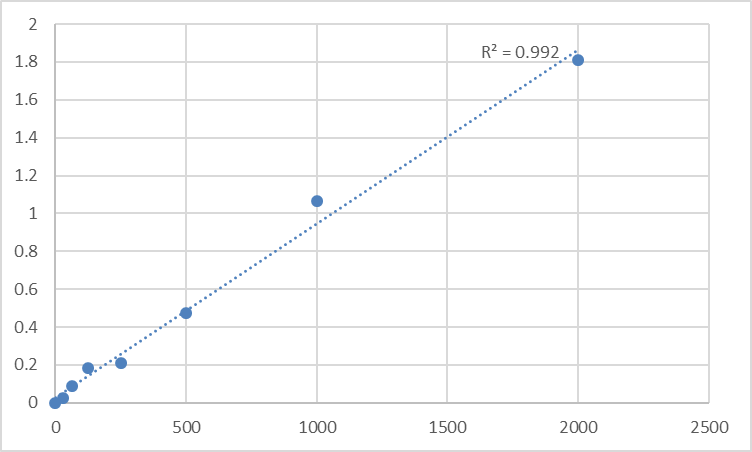
Adiponectin: The Adipokine That Refuses to Follow the Rules
Adiponectin (ADP, also known as ACRP30, AdipoQ, GBP28, or APM1) is the most paradoxical molecule in metabolic biology. It is secreted exclusively by differentiated adipocytes and circulates at high concentrations — yet unlike every other adipokine (leptin, resistin, TNF-α), adiponectin levels fall in obesity and insulin resistance. This inverse relationship is so robust that adiponectin has been proposed as a biomarker for metabolic health and a therapeutic target for type 2 diabetes.
Structurally, adiponectin is a member of the defense collagen family (alongside C1q and mannose-binding lectin), with an N-terminal collagenous domain and a C-terminal globular domain[reference:0]. It exists in multiple oligomeric forms — trimers, hexamers, and high-molecular-weight (HMW) multimers — and the HMW form is the most biologically active with respect to insulin sensitization.
In mouse models, adiponectin is the readout that connects adipose tissue function to systemic metabolic health. Whether you are testing a novel insulin sensitizer, studying adipose tissue expansion, or investigating the metabolic consequences of a genetic manipulation, adiponectin quantification is a core endpoint.
The Mouse Adiponectin (ADP) ELISA Kit (KTE70557) from Abbkine is engineered to deliver that measurement with murine specificity and the quantitative rigor that metabolic research demands.
Metabolic Syndrome and Diabetes Research
Adiponectin is a key regulator of insulin sensitivity, and its levels are consistently reduced in obesity and type 2 diabetes. Metabolic researchers use this kit to:
- Quantify adiponectin in serum and plasma from diet-induced obesity (DIO) and genetic models (ob/ob, db/db)
- Monitor adiponectin dynamics in response to insulin-sensitizing interventions (thiazolidinediones, exercise mimetics)
- Correlate adiponectin levels with HOMA-IR and other insulin resistance indices
- Investigate adiponectin oligomerization and the HMW-to-total ratio
Adipose Tissue Biology and Obesity Research
Adiponectin secretion is a direct reflection of adipocyte differentiation and function. Adipose biologists use this kit to:
- Quantify adiponectin in adipocyte-conditioned media from in vitro differentiation studies
- Study the effects of hypoxia, inflammation, and lipolysis on adiponectin secretion
- Investigate brown/beige adipocyte contributions to circulating adiponectin
- Monitor adiponectin in bariatric surgery or weight loss models
Cardiovascular and Inflammatory Disease Research
Adiponectin has cardioprotective and anti-inflammatory properties — it improves endothelial function, inhibits atherosclerosis, and suppresses inflammatory cytokine production. Cardiovascular researchers use this kit to:
- Quantify adiponectin in cardiovascular disease models (atherosclerosis, heart failure)
- Study the adiponectin–TNF-α and adiponectin–CRP axes in inflammation
- Investigate adiponectin's role in endothelial dysfunction and vascular remodeling
Why Choose This Kit for Your Adiponectin Research?
| Feature | Benefit |
|---|---|
| Two-site sandwich ELISA | Quantitative, specific detection |
| Mouse reactivity | Directly applicable to mouse models |
| Multiple sample types | Cell culture supernatants, plasma, serum, other biological fluids |
| High sensitivity and specificity | No significant cross-reactivity or interference between mouse ADP and analogues |
| Complete kit | Pre-coated plate, standards, detection antibody, Streptavidin-HRP, all buffers included |
Kit Components at a Glance
- Mouse Adiponectin microplate (pre-coated with capture antibody)
- Mouse Adiponectin standard
- Mouse Adiponectin detection antibody (biotin-conjugated)
- Streptavidin-HRP
- Standard diluent, assay buffer, HRP substrate, stop solution, wash buffer, plate covers
🔬 Which research field does your work belong to?
Metabolic Syndrome & Diabetes | Adipose Tissue Biology | Cardiovascular Research | Inflammation Research | Other
Share your application with us — we'd love to hear how you're using this kit in your studies!
📌 Reference Link: Mouse Adiponectin (ADP) ELISA Kit — KTE70557