




Human MERS-CoV IgG ELISA Kit — Application Scenarios for Serological Surveillance and Pandemic Preparedness
MERS-CoV: The Camel-to-Human Betacoronavirus That Doesn't Care About Borders
The ongoing threat of Middle East Respiratory Syndrome (MERS), caused by the MERS-coronavirus (MERS-CoV) , underscores a critical gap in serological diagnostics: the need for a reliable, high-throughput method to quantify IgG antibodies. These antibodies, which emerge 2–4 weeks post-infection and persist for years, are vital for tracking outbreaks, evaluating vaccine efficacy, and understanding long-term immunity in endemic regions[reference:44].
Yet most existing tools — from immunofluorescence assays (IFA) to neutralization tests — are too slow, labor-intensive, or prone to cross-reactivity for routine use. Plaque reduction neutralization tests (PRNT), the gold standard for functional antibody assessment, take 5–7 days and demand BSL-3 facilities — barriers for most labs[reference:45]. Even commercial ELISAs often use antibodies targeting conserved regions of the coronavirus Spike protein, leading to cross-reactivity with SARS-CoV-2, OC43, or HKU1 — critical flaws in regions with overlapping circulation. A 2024 review of 32 MERS serology studies found 59% reported "unreliable specificity" in samples from patients with prior seasonal coronavirus exposure[reference:46].
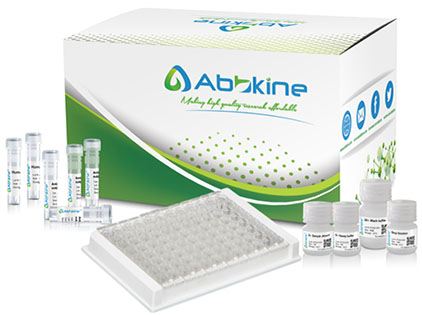
Abbkine's Human MERS-CoV IgG ELISA Kit (KTE62987) fills this void, engineered to deliver the specificity and scalability required for modern MERS-CoV surveillance. Here's how researchers across different fields are putting it to work.
Serological Surveillance and Outbreak Investigation
MERS-CoV IgG is the gold standard for retrospective exposure assessment. Surveillance teams use this kit to:
- Quantify anti-MERS-CoV IgG in human serum and plasma from endemic regions
- Screen camel herders and healthcare workers for asymptomatic infections
- Map seroprevalence patterns across geographic regions and risk groups
- Identify silent transmission chains that serological methods can uncover
The kit's limit of detection is 0.5 IU/mL with a linear range of 0.5–200 IU/mL — aligning with WHO standards for antibody quantification[reference:47].
Vaccine Development and Clinical Trials
MERS-CoV IgG is a key immunogenicity endpoint in vaccine trials. Vaccine researchers use this kit to:
- Quantify anti-MERS-CoV IgG titers post-vaccination
- Monitor antibody persistence over months to years
- Compare immunogenicity across different vaccine platforms
- Assess seroconversion rates in trial participants
Pandemic Preparedness and Coronavirus Research
The COVID-19 pandemic underscored the importance of coronavirus serological surveillance. MERS-CoV researchers use this kit to:
- Distinguish MERS-CoV-specific IgG from SARS-CoV-2 cross-reactive antibodies — critical in regions where both viruses circulate
- Study cross-reactive immunity between MERS-CoV and other coronaviruses
- Build serological baselines for pandemic preparedness
- Investigate zoonotic spillover from dromedary camels to humans
One Health and Zoonotic Spillover Research
MERS-CoV circulates in dromedary camels — the primary zoonotic reservoir. One Health researchers use this kit to:
- Quantify MERS-CoV IgG in human populations at the camel-human interface
- Correlate human seroprevalence with camel seroprevalence
- Study occupational exposure in camel herders, slaughterhouse workers, and healthcare workers
- Investigate risk factors for human spillover
Why Choose This Kit for Your MERS-CoV IgG Research?
| Feature | Benefit |
|---|---|
| Pathogen-specific design | Capture antibody targets MERS-CoV S protein's unique RBD (residues 367–606); detection antibody targets NTD (residues 1–320)[reference:48] |
| Exceptional specificity | <0.3% binding to SARS-CoV-2, OC43, or HKU1 (even in convalescent plasma from COVID-19 survivors)[reference:49] |
| WHO-aligned quantification | LOD of 0.5 IU/mL, linear range 0.5–200 IU/mL[reference:50] |
| Protease inhibitor cocktail included | Stabilizes IgG in serum/plasma for 72 hours at 25°C — eliminates cold-chain bottlenecks in field settings[reference:51] |
| High-throughput compatible | 96-well plate format for large-scale surveillance |
| Complete components | Ready-to-use — all buffers and reagents included |
Published Validation
In a 2023 Emerging Infectious Diseases study, Saudi Arabia's Ministry of Health used this kit to screen 5,000 camel herders and healthcare workers, identifying 12 asymptomatic MERS-CoV infections (IgG+ / IgM-) that were missed by symptom-based surveillance[reference:52].
🔬 Which research field does your work belong to?
Serological Surveillance | Vaccine Development | Pandemic Preparedness | One Health | Coronavirus Research | Other
Share your application with us — we'd love to hear how you're using this kit in your studies!
📌 Reference Link: Human Middle East respiratory syndrome-coronavirus IgG (MERS IgG) ELISA Kit — KTE62987
Prev:This is the latest article





