EliKine™ Rat TGF-β1 ELISA Kit (KTE9006) — Application Scenarios for Rat Fibrosis and Immune Tolerance Research
TGF-β1: The Pleiotropic Cytokine That Builds Scar Tissue and Silences Immunity
Transforming growth factor β1 (TGF-β1) is a pleiotropic cytokine with a broad spectrum of biological and regulatory effects[reference:5]. It governs cellular growth, development, differentiation, proliferation, extracellular matrix (ECM) synthesis and degradation, mesenchymal-epithelial interactions during embryogenesis, immune modulation, apoptosis, cell cycle progression, angiogenesis, adhesion, migration, and leukocyte chemotaxis[reference:6]. In rat models, TGF-β1 is the central node connecting fibrosis, immune tolerance, and tumor progression — and its quantification is uniquely treacherous because the cytokine is secreted in a latent complex that must be activated before assay.
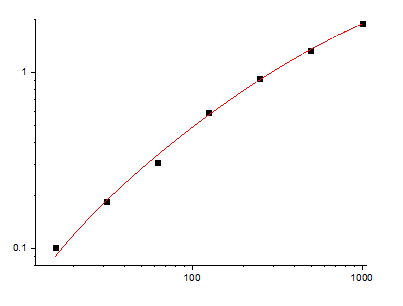
Abbkine's EliKine™ Rat TGF-β1 ELISA Kit (KTE9006) delivers a calibration range of 15.63–1,000 pg/mL and a limit of detection of 8 pg/mL[reference:7] — sensitivity that captures both the low baseline of healthy rat tissue and the elevated concentrations of fibrotic and tumor-bearing models. Here's how researchers across different fields are putting it to work.
Liver and Pulmonary Fibrosis Research
TGF-β1 is the master profibrotic cytokine driving hepatic stellate cell activation and myofibroblast differentiation. Fibrosis researchers use this kit to:
- Quantify TGF-β1 in serum and liver tissue lysates from CCl₄- or bile duct ligation (BDL)-induced rat fibrosis models
- Monitor fibrogenesis dynamics in response to anti-fibrotic interventions
- Correlate TGF-β1 with hydroxyproline content and Ishak/METAVIR staging
- Study TGF-β1/Smad signaling in pulmonary fibrosis (bleomycin) models
Immune Tolerance and Regulatory T Cell Biology
TGF-β1 is a key effector cytokine of regulatory T cells (Tregs) and a driver of peripheral tolerance. Immunologists use this kit to:
- Quantify TGF-β1 in T cell culture supernatants and serum from tolerance models
- Study Treg-mediated suppression and TGF-β1-dependent immune privilege
- Investigate TGF-β1 in oral tolerance and ** transplantation tolerance** models
- Monitor TGF-β1-producing cells in the tumor microenvironment
Cancer and Tumor Microenvironment Research
TGF-β1 has dual, context-dependent roles in cancer — tumor-suppressive in early stages and tumor-promoting (via immune evasion and EMT) in late stages[reference:8]. Oncology researchers use this kit to:
- Quantify TGF-β1 in tumor lysates and plasma from rat cancer models
- Study TGF-β1-mediated epithelial-mesenchymal transition (EMT)
- Investigate TGF-β1-driven immune suppression in the tumor microenvironment
- Monitor TGF-β pathway inhibitors in preclinical rat studies
Why Choose This Kit for Your Rat TGF-β1 Research?
| Feature | Benefit |
|---|---|
| Two-site sandwich ELISA | Quantitative, specific detection of rat TGF-β1 |
| Calibration range | 15.63–1,000 pg/mL[reference:9] |
| Limit of detection | 8 pg/mL[reference:10] |
| Multiple sample types | Cell culture supernatants, plasma, serum, other biological fluids[reference:11] |
| EliKine™ Streptavidin-HRP | Proprietary amplification for low-abundance detection |
| Critical activation step | Requires acid activation of latent TGF-β1 — protocol provided |
| Published validation | 1 publication citing this kit[reference:12] |
| Complete kit | Microplate, standard, detection antibody, SA-HRP, all buffers included[reference:13] |
🔬 Which research field does your work belong to?
Liver & Pulmonary Fibrosis | Immune Tolerance & Treg Biology | Cancer & Tumor Microenvironment | Other
Share your application with us — we'd love to hear how you're using this kit in your studies!
📌 Reference Link: EliKine™ Rat TGF-β1 ELISA Kit — KTE9006