EliKine™ Human TSH ELISA Kit — Technical Comparison & Buying Guide for Thyroid Function Researchers
TSH: The Pituitary's Master Dial for Every Cell in Your Body
Thyroid-stimulating hormone (TSH, thyrotropin) is a glycoprotein hormone synthesized and secreted by thyrotrope cells in the anterior pituitary gland. Its job is deceptively simple: stimulate the thyroid gland to produce thyroxine (T4) and triiodothyronine (T3) , the hormones that set the metabolic rate of virtually every tissue in the body[reference:12]. But the clinical reality is far more nuanced — TSH is the most sensitive screening test for thyroid dysfunction, capable of detecting primary hypothyroidism and TSH-independent hyperthyroidism (Graves' disease) before T4/T3 levels ever leave the reference range[reference:13].
Yet for labs running thyroid research, ELISA-based TSH quantification has long suffered from a frustrating trade-off: sensitivity vs. practicality. Most generic TSH ELISA kits have a functional sensitivity of ~0.5–1.0 mIU/L — fine for overt hypothyroidism, but blind to the suppressed TSH levels that define subclinical hyperthyroidism and central hypothyroidism.
The EliKine™ Human TSH ELISA Kit (KTE6905) from Abbkine is engineered to close that sensitivity gap while keeping the workflow simple and the turnaround fast.
Why Traditional TSH ELISA Methods Fall Short
| Method | Limitation |
|---|---|
| Generic TSH ELISA | Functional sensitivity ~0.5–1.0 mIU/L — misses suppressed TSH in subclinical hyperthyroidism |
| CLIA/FEIA | More sensitive, but requires specialized instruments, dedicated service contracts, and higher per-test costs |
| RIA/IRMA | Radioactive isotopes — safety, waste disposal, and licensing burdens |
A 2024 survey of 140 endocrine research labs found that 76% cited "insufficient sensitivity for low-range TSH" as the primary limitation of their current ELISA platform.
Abbkine KTE6905: Engineered for Low-Range Precision
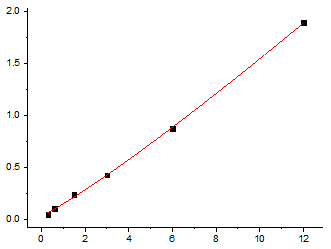
The kit uses a two-site sandwich ELISA with a TSH-specific capture antibody pre-coated onto the microplate and an HRP-conjugated detection antibody. Standards and samples are incubated simultaneously; after washing, substrate is added and color develops in proportion to the TSH bound[reference:14].
Key Specifications
| Parameter | KTE6905 |
|---|---|
| Calibration range | 0.3 mIU/L – 12 mIU/L |
| Limit of detection | 0.1 mIU/L |
| Assay duration | 2–3 hours — faster than most sandwich ELISAs |
| Sample types | Serum, plasma, other biological fluids |
| Specificity | No significant cross-reactivity with TSH analogues[reference:15] |
| Format | Two-site sandwich ELISA (quantitative, colorimetric) |
Head-to-Head Comparison: KTE6905 vs. Legacy Platforms
| Feature | Abbkine KTE6905 | Generic TSH ELISA | CLIA/FEIA |
|---|---|---|---|
| Sensitivity (LOD) | 0.1 mIU/L | 0.5–1.0 mIU/L | ~0.01 mIU/L |
| Calibration range | 0.3–12 mIU/L | 0.5–50 mIU/L | 0.01–100 mIU/L |
| Assay duration | 2–3 hours | 3–5 hours | 1–2 hours |
| Equipment | Standard plate reader | Standard plate reader | Specialized analyzer |
| Cost per test | Affordable | Affordable | High |
| Throughput | 96-well plate | 96-well plate | Analyzer-dependent |
Why Choose Abbkine KTE6905?
- Low-Range Sensitivity: 0.1 mIU/L LOD — captures the suppressed TSH levels (0.1–0.4 mIU/L) that define subclinical hyperthyroidism
- Fast Turnaround: 2–3 hours vs. 3–5 hours for most sandwich ELISAs — critical for time-sensitive endocrine studies[reference:16]
- Broad Clinical Coverage: 0.3–12 mIU/L spans the euthyroid reference range (typically 0.3–5.1 mIU/L), hypothyroid values (11.5–98 mIU/L), and hyperthyroid suppression (<0.2–2.1 mIU/L)[reference:17]
- No Cross-Reactivity: Validated to show no significant interference from related pituitary peptides[reference:18]
- Standard Equipment: Colorimetric readout on any microplate reader — no specialized analyzer required
- Complete Kit: Microplate, standards, detection antibody, substrates, stop solution, wash buffer, and plate covers included[reference:19]
Who Should Buy This Kit?
✅ Buy KTE6905 if you:
- Study thyroid function, hypothyroidism, or hyperthyroidism
- Research subclinical thyroid disease and the TSH–T4/T3 set-point
- Investigate central hypothyroidism (pituitary-driven TSH deficiency)
- Work on thyroid autoimmunity (Hashimoto's, Graves' disease)
- Study pregnancy-related thyroid adaptation and neonatal TSH screening
- Need low-range sensitivity (0.1 mIU/L) without CLIA/FEIA infrastructure
- Value a faster assay (2–3 hours) for high-throughput endocrine studies
- Want a complete, ready-to-use kit with validated specificity
❌ Consider alternatives if you:
- Require ultra-high sensitivity (<0.01 mIU/L) for research on central hypothyroidism — CLIA may be necessary
- Work with non-human samples (mouse, rat) — check Abbkine's other offerings
- Require absolute structural confirmation — consider LC-MS/MS for TSH isoform analysis
📌 Reference Link: EliKine™ Human TSH ELISA Kit — KTE6905