




Beyond the Beverage: The CheKine™ Micro Ethanol Assay Kit for High-Throughput Metabolic and Industrial Analysis
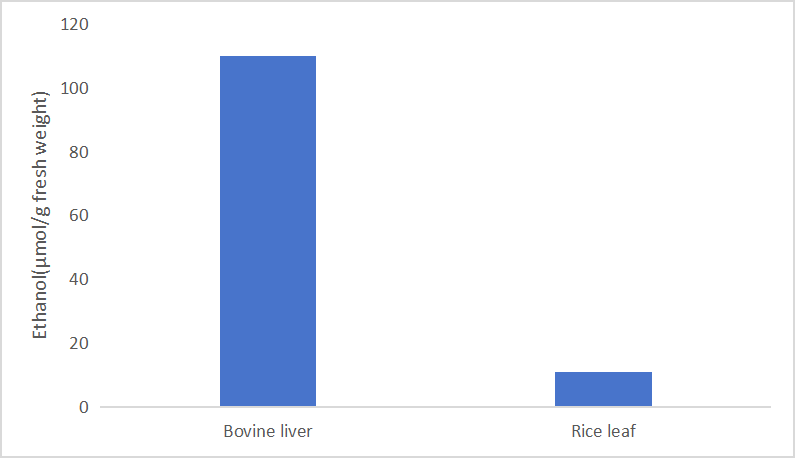
In the intricate world of cellular metabolism, industrial biotechnology, and clinical diagnostics, ethanol is far more than the intoxicating component of alcoholic drinks; it is a critical metabolic intermediate, a valuable biofuel, a key industrial solvent, and a biomarker for health and disease. Accurately quantifying ethanol concentration is therefore a fundamental need across diverse fields: from monitoring glycolytic flux and anaerobic metabolism in cancer cells, to optimizing yeast fermentation for bioethanol production, ensuring quality control in beverage manufacturing, and assessing blood alcohol levels in forensic or clinical settings . Traditional methods for ethanol detection, such as gas chromatography or simple distillation, often involve complex instrumentation, lengthy procedures, or lack the sensitivity for small-volume biological samples. The CheKine™ Micro Ethanol Content Detection Kit (KTB3031) from Abbkine addresses these challenges head-on by providing a rapid, sensitive, and convenient colorimetric microplate assay . This kit leverages a robust enzymatic cascade to deliver precise ethanol measurements in a high-throughput format, enabling researchers and quality control specialists to obtain reliable data from minimal sample volumes across a wide range of matrices, including cell culture media, fermentation broths, serum, plasma, and tissue homogenates . Whether you are profiling metabolic rewiring in tumor models, screening microbial strains for enhanced biofuel yield, analyzing alcohol content in food and beverages, or conducting toxicological studies, this kit offers the speed, accuracy, and scalability essential for modern research and industrial applications.
The Central Role of Ethanol: From Cellular Pathways to Global Industries
Ethanol's biological and industrial significance stems from its role as a simple two-carbon molecule at the crossroads of energy metabolism and chemical synthesis . In mammalian cells, particularly under hypoxic conditions, ethanol can be both a product and a substrate. More critically, its immediate precursor, acetaldehyde, and the enzyme responsible for its interconversion, alcohol dehydrogenase (ADH), are central to retinol metabolism, neurotransmitter synthesis, and detoxification pathways . In plants and microorganisms like yeast, ethanol is a primary end-product of alcoholic fermentation, a crucial anaerobic process for regenerating NAD+ and sustaining glycolysis, which is vital for biofuel production and baking industries . Beyond biology, ethanol is a cornerstone chemical used in disinfectants (70-75% solutions), solvents, pharmaceuticals, and as a renewable fuel additive . Consequently, the ability to measure ethanol concentration accurately is indispensable for: understanding cellular metabolic states, optimizing bioprocess engineering, ensuring product consistency and safety in food and beverage sectors, and monitoring exposure or ingestion in medical and forensic contexts . A versatile, user-friendly detection method is key to advancing these areas.
Assay Principle: A Sensitive Enzymatic Colorimetric Reaction
The CheKine™ Micro Ethanol Content Detection Kit is based on a highly specific and amplified two-step enzymatic reaction that translates ethanol concentration into a measurable color change . The core principle is elegant and efficient:
- Ethanol Oxidation: Ethanol in the sample is oxidized to acetaldehyde by the enzyme Alcohol Dehydrogenase (ADH), simultaneously reducing the cofactor Nicotinamide Adenine Dinucleotide (NAD+) to NADH.
- Color Development: The generated NADH then acts as an electron donor in a second reaction. In the presence of an electron mediator (1-methoxy PMS), NADH reduces the tetrazolium salt WST-8 to an orange-colored formazan dye.
- Quantification: The intensity of this orange color, measured by its absorbance at 450 nm using a standard microplate reader, is directly proportional to the amount of NADH produced, and thus to the original ethanol concentration in the sample. The inclusion of the electron mediator creates a cycling reaction, enhancing the signal and providing excellent sensitivity for low-concentration samples.
This method offers significant advantages over direct ethanol measurement, including high specificity (due to ADH), excellent sensitivity (amplified signal), compatibility with complex sample types, and suitability for high-throughput analysis in a 96-well plate format.
Key Features and Advantages of the CheKine™ Micro Ethanol Assay Kit
• High Sensitivity and Broad Detection Range: The enzymatic cycling reaction provides superior sensitivity, capable of detecting low micromolar levels of ethanol, making it suitable for subtle changes in metabolic studies. It also offers a wide linear range to accommodate samples with varying ethanol concentrations.
• Simple and Fast Microplate Protocol: The assay is designed for ease of use. After simple sample preparation, the procedure involves mixing the sample with a single Working Reagent, incubating at 37°C for a short period (typically 30-60 minutes), and reading the absorbance. This "add-mix-measure" workflow enables the processing of dozens to hundreds of samples in parallel.
• High-Throughput Compatibility: The 96-well microplate format is ideal for screening applications, kinetic studies, and analyzing large sample sets, dramatically increasing lab efficiency and data consistency compared to single-tube methods.
• Wide Sample Compatibility: The kit has been optimized for a diverse array of sample types, ensuring versatility for different research needs:
◦   Biological Fluids: Serum, plasma (heparin or EDTA), cell culture supernatant.

◦   Cellular and Microbial Samples: Lysates or culture media from mammalian cells, yeast, bacteria.

◦   Tissue Homogenates: Liver, plant tissues.

◦   Industrial/Food Samples: Fermentation broths, wine, beer, other alcoholic beverages (may require dilution).
• Comprehensive and Ready-to-Use: The kit supplies all necessary pre-formulated reagents, including Reagents I-IV and an Ethanol Standard, to generate a standard curve for precise quantification. Detailed protocols are included for hassle-free setup.
• Reproducible and Reliable Results: Manufactured under strict quality control, the kit ensures low inter-assay and intra-assay variability, providing dependable data for publication, quality control, and process monitoring.
Diverse Applications Across Research and Industry
- Cell Metabolism and Cancer Research: Monitor extracellular acidification and glycolytic flux by measuring ethanol (or its related metabolites) in the media of cancer cell lines, stem cells, or primary cells under different oxygen conditions or drug treatments.
- Microbial Fermentation and Biofuel Optimization: Precisely track ethanol production kinetics in yeast (S. cerevisiae) or bacterial (Z. mobilis, E. coli) fermentation processes to optimize strain performance, media composition, and fermentation conditions for maximum bioethanol yield.
- Food and Beverage Quality Control: Quantify alcohol by volume (ABV) in beer, wine, spirits, and other fermented products during production and for final product verification, ensuring compliance with regulatory standards and consistent product quality.
- Toxicology and Clinical/Forensic Analysis: Measure ethanol levels in serum or plasma for preclinical studies on alcohol metabolism, toxicity assessments, or as a supplementary tool in forensic analysis (requires appropriate validation for diagnostic use).
- Plant Physiology: Study plant responses to anaerobic stress (e.g., flooding) by measuring ethanol accumulation in root or shoot tissues, a key indicator of fermentative metabolism.
- Enzyme Activity Assays: Indirectly measure ADH activity by coupling this assay with a reaction where ADH generates ethanol from a substrate, useful for enzyme characterization and inhibitor screening.
Streamlined Workflow for Rapid Analysis
Step 1: Sample Preparation. Prepare your samples. For cell culture media or fermentation broth, centrifugation may be needed to remove cells. Serum/plasma can often be used directly or with minimal dilution. Tissue samples require homogenization in an appropriate buffer followed by centrifugation. Keep samples on ice if not used immediately.
Step 2: Reagent and Plate Preparation. Prepare the Working Reagent by mixing the provided components (Reagent I, II, and IV) as per the protocol. Pipette a defined volume of sample, blank (assay buffer or water), and ethanol standards (provided) into the wells of a 96-well plate.
Step 3: Reaction and Incubation. Add the prepared Working Reagent to each well to initiate the reaction. Mix gently, cover the plate to prevent evaporation, and incubate at 37°C for 30-60 minutes. The orange color will develop proportionally.
Step 4: Absorbance Measurement and Calculation. Measure the absorbance of each well at 450 nm using a microplate reader. Generate a standard curve by plotting the absorbance (y-axis) against the known ethanol standard concentrations (x-axis). Use the linear equation from this curve to calculate the ethanol concentration in your unknown samples based on their measured absorbance.
Why the CheKine™ Micro Ethanol Content Detection Kit is an Indispensable Tool
• Bridges Multiple Disciplines: This single kit serves the needs of molecular biologists, bioprocess engineers, food scientists, and toxicologists, eliminating the need for multiple, disparate methods.
• Maximizes Productivity: The microplate format and simple protocol save precious time and resources, allowing researchers to focus on data interpretation rather than cumbersome assay setup.
• Delivers Confident Results: The high specificity of the enzymatic reaction and excellent reproducibility ensure accurate and reliable quantification, forming a solid foundation for critical decisions in both R&D and quality assurance.
• Powered by Abbkine Quality: As part of the trusted CheKine™ portfolio, this kit is backed by rigorous validation and consistent performance, providing peace of mind for your experiments.
Elevate your ethanol quantification from a routine task to a strategic advantage. The CheKine™ Micro Ethanol Content Detection Kit (KTB3031) is the sensitive, high-throughput, and versatile solution for precise ethanol measurement in any lab.
Product Reference: KTB3031 – CheKine™ Micro Ethanol Content Detection Kit
Learn more and order: https://www.abbkine.com/product/chekine-micro-ethanol-content-detection-kit-ktb3031/





