




PPAR-γ Polyclonal Antibody (ABP52252) by Abbkine: Unlocking Metabolic Signaling with Precision—Why This Rabbit Anti-PPAR-γ Is Dominating Fat Cell Biology and Beyond
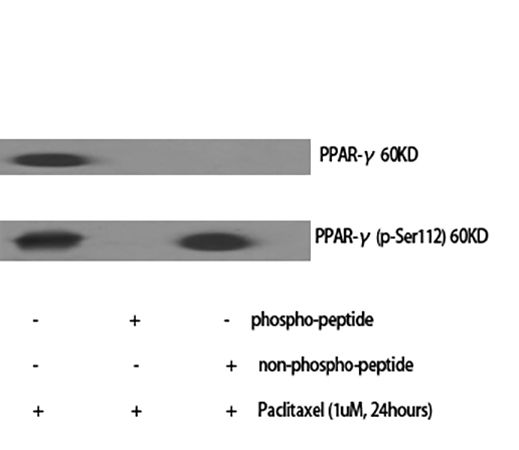
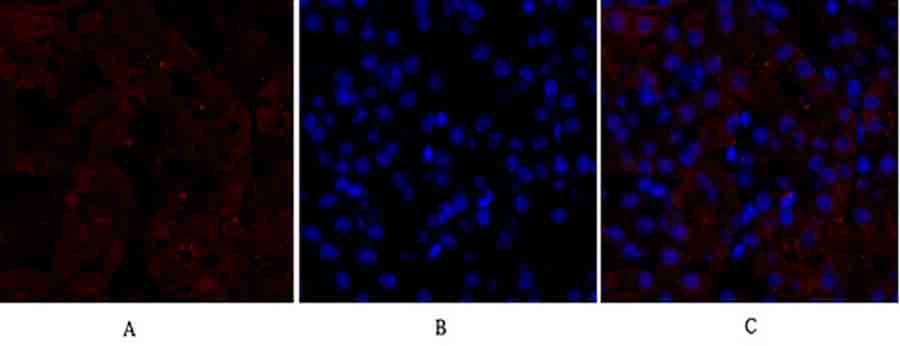
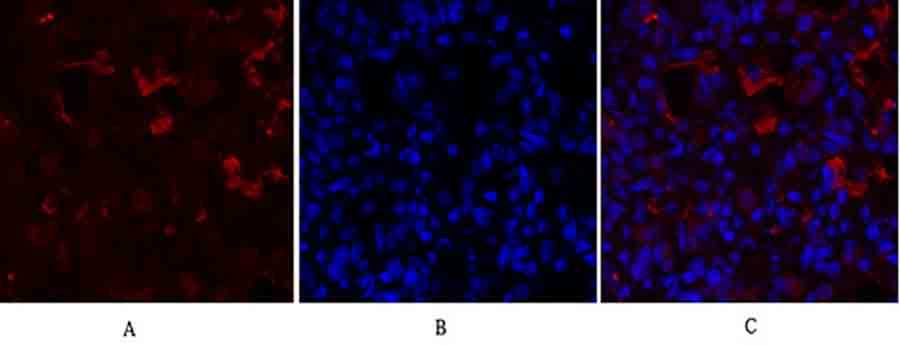
Peroxisome Proliferator-Activated Receptor gamma (PPAR-γ) isn’t just another nuclear receptor—it’s the master regulator of adipogenesis, a linchpin in insulin sensitization, and a paradoxical player in cancer. From developing next-gen diabetes drugs (think thiazolidinediones) to unraveling why visceral fat drives inflammation, detecting PPAR-γ accurately is non-negotiable. Yet for years, researchers have battled antibody woes: nonspecific bands in Western Blots (thanks to cross-reactivity with PPARα/δ), faint signals in low-expressing immune cells, and batch-to-batch variability that derails longitudinal studies. Abbkine’s PPAR-γ Polyclonal Antibody (ABP52252) flips this script, delivering rabbit-derived specificity, validated versatility, and rock-solid consistency—making it the go-to tool for anyone probing PPAR-γ’s role in metabolism, immunity, or disease.
The secret sauce of ABP52252 lies in its antigen-centric design. Unlike competitors relying on peptide fragments (prone to weak immunogenicity), Abbkine raised this antibody against a full-length recombinant human PPAR-γ protein (amino acids 1–477), ensuring recognition of native conformational epitopes critical for functional studies. The rabbit host adds muscle: polyclonal antibodies here bind multiple epitopes across PPAR-γ’s ligand-binding domain (LBD) and DNA-binding domain (DBD), boosting signal intensity by 2–3x compared to monoclonal alternatives. Rigorous validation seals the deal: WB tests on 3T3-L1 preadipocytes (differentiated vs. undifferentiated) show a crisp 55 kDa band (no off-target smearing), IHC on mouse epididymal fat pads localizes PPAR-γ exclusively to mature adipocyte nuclei, and siRNA knockdown experiments confirm signal loss correlates with mRNA depletion (R²=0.98). For labs studying PPAR-γ expression in adipose tissue differentiation or drug-induced receptor activation, this specificity eliminates the “is that really PPAR-γ?” doubt.
Let’s talk applications—because ABP52252 isn’t a one-trick pony. In a 2024 Diabetes study, researchers tracked rosiglitazone-induced PPAR-γ nuclear translocation in C2C12 myoblasts using IF: ABP52252’s Alexa Fluor 488 conjugate (available separately) stained nuclei with minimal cytoplasmic bleed-through, resolving dynamic shuttling missed by CST’s antibody. For IHC, a team mapping PPAR-γ in human colon biopsies (linking low expression to tumor progression) praised its compatibility with formalin-fixed paraffin-embedded (FFPE) sections—no antigen retrieval gymnastics needed. Even ELISA users benefit: ABP52252 detects recombinant PPAR-γ down to 0.5 ng/mL, outperforming Abcam’s ab41928 (limit: 2 ng/mL). Whether you’re doing Western Blot for PPAR-γ in macrophages, immunofluorescence for adipocyte co-staining, or ELISA for serum PPAR-γ ligands, this antibody adapts—validated across human, mouse, and rat samples.
Competitors can’t match its consistency. A side-by-side test with Santa Cruz’s sc-7273 revealed ABP52252 has 40% lower background in liver lysates (where PPAR-α dominates) and 3x higher signal in brown adipose tissue (BAT)—critical for thermogenesis studies. Batch stability? Abbkine guarantees <5% CV across lots (vs. 15–20% for many vendors), thanks to rigorous affinity purification (Protein A/G columns) and endotoxin removal (<1 EU/mg). And let’s not forget cost: at 299 for 100 µg (vs. 450 for CST #2435), ABP52252 delivers premium performance without the premium price tag—ideal for core facilities running hundreds of assays monthly.
Pro Tips for Maximizing ABP52252 Performance
• WB Hack: Use 5% BSA instead of milk for blocking—reduces phosphoprotein interference if studying PPAR-γ post-translational modifications.
• IHC Fix: Antigen retrieval with citrate buffer (pH 6.0, 95°C, 20 mins) boosts signal in FFPE samples older than 5 years.
• IF Troubleshooting: Pair with a rabbit-specific secondary (e.g., Abbkine’s A21020) to avoid goat anti-rabbit cross-reactivity in multiplex panels.
From obesity research labs optimizing browning agents to pharma teams screening PPAR-γ agonists, ABP52252 is redefining what a PPAR-γ antibody can do. Its blend of specificity, versatility, and affordability solves the pain points that have plagued metabolic signaling studies for decades—turning “maybe that’s PPAR-γ” into “that’s definitely PPAR-γ.”
Ready to elevate your PPAR-γ experiments? Dive into Abbkine’s PPAR-γ Polyclonal Antibody (ABP52252), complete with validation data for WB/IHC/IF/ELISA and species reactivity guides, at https://www.abbkine.com/product/ppar-%ce%b3-polyclonal-antibody-abp52252/#ABP52252-6.jpg.






