Mouse Cornifin-A (SPRR1A) ELISA Kit (KTE70246) — FAQ for Epidermal Differentiation and Wound Healing Researchers
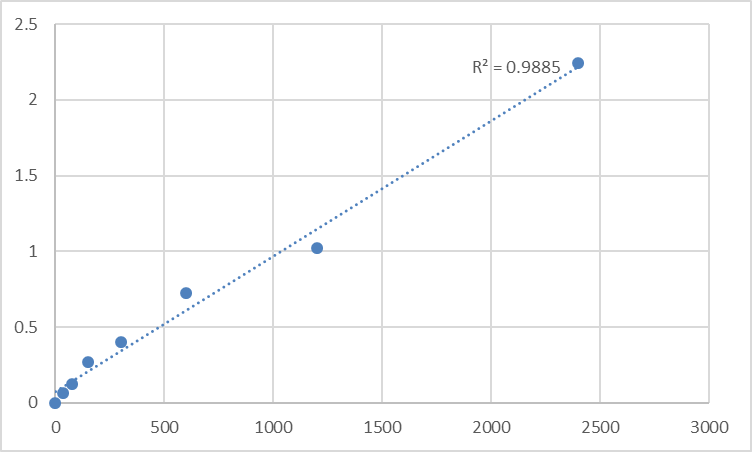
Mouse Cornifin-A (SPRR1A) ELISA Kit: Your Questions Answered
Cornifin-A (SPRR1A) is an 8-kDa small proline-rich protein that most labs have never measured — and that is precisely the problem. SPRR1A is not a housekeeping gene. It is a structural precursor of the cornified cell envelope, the insoluble protein scaffold that forms beneath the plasma membrane of terminally differentiated keratinocytes and gives the epidermis its barrier function[reference:40]. SPRR1A first appears in the cell cytosol, then becomes cross-linked to membrane proteins by transglutaminase, forming an insoluble envelope that is essential for skin barrier integrity[reference:41].
But SPRR1A is not just a skin protein. It is induced by UV radiation, oxidative stress, and wound healing, and it promotes keratinocyte migration during re-epithelialization[reference:42]. It is upregulated in psoriatic epidermis, where it correlates with abnormal keratinocyte differentiation and barrier dysfunction[reference:43]. And it marks an advanced squamous differentiation state that resembles the keratinocyte activation program of wound healing and inflammatory skin disease[reference:44].
The problem is that most labs studying SPRR1A rely on qPCR or immunohistochemistry — neither of which gives a quantitative, plate-readable protein concentration. The Mouse Cornifin-A (SPRR1A) ELISA Kit (KTE70246) from Abbkine fills that gap. Here are the answers to the questions that matter.
What is the detection principle of this SPRR1A ELISA kit?
The kit employs a two-site sandwich ELISA to quantitate SPRR1A in samples[reference:45]. A capture antibody specific for mouse SPRR1A is pre-coated onto the microplate. Standards and samples are pipetted into the wells, and any SPRR1A present binds to the immobilized antibody. After removing unbound substances, a detection antibody is added, followed by washing and a substrate solution that produces color in proportion to the amount of SPRR1A bound.
What sample types can I use?
The kit is validated for cell culture supernatants, serum, plasma, tissue lysates, and other biological fluids — making it suitable for both in vitro keratinocyte culture models and in vivo skin tissue studies.
What is the sensitivity and detection range?
Abbkine's SPRR1A kit is engineered for the low-abundance, tissue-restricted nature of this cornified envelope precursor. For specific sensitivity and calibration range information tailored to your sample type (skin lysate, keratinocyte supernatant, serum), contact Abbkine's technical support team with your expected concentration range.
Does this kit cross-react with other SPRR family members?
The SPRR family includes SPRR1A, SPRR1B, SPRR2A–G, SPRR3, and SPRR4 — structurally related proteins with shared proline-rich domains[reference:46]. Cross-reactivity with these paralogs is a legitimate concern for any SPRR1A immunoassay. The KTE70246 is validated for SPRR1A specificity; for detailed cross-reactivity data on specific SPRR family members relevant to your model, consult the product datasheet or contact Abbkine technical support.
Why is SPRR1A so difficult to measure by Western blot?
SPRR1A's biological function is to become cross-linked into an insoluble envelope by transglutaminase[reference:47]. This means that in differentiated keratinocytes and stratum corneum samples, a large fraction of SPRR1A is not extractable by standard lysis buffers — it is covalently tethered to the insoluble cornified envelope. Western blots therefore often underestimate total SPRR1A and show poor reproducibility. A sandwich ELISA with optimized extraction buffers provides a more quantitative and reproducible alternative — but sample preparation must be tailored to the cross-linked state of the protein.
What applications is this kit suitable for?
This kit is designed for research use only. Applications include:
- Epidermal differentiation and cornified envelope assembly research
- Skin barrier function studies (psoriasis, atopic dermatitis, ichthyosis models)
- Wound healing and re-epithelialization research (SPRR1A promotes keratinocyte migration)
- UV radiation and oxidative stress responses in skin
- Squamous cell carcinoma and keratinocyte activation programs
- Esophageal and other cornifying epithelia research
How should I store and handle the kit?
- Unopened kit: Store at 2–8°C
- Shipping: Gel pack with blue ice
- Critical handling: Do not mix components from different kit lots; allow reagents to warm to room temperature before opening; run samples and standards in duplicate or triplicate.
What's included in the kit?
| Component | Included |
|---|---|
| Mouse Cornifin-A (SPRR1A) microplate (pre-coated with capture antibody) | ✅ |
| Mouse SPRR1A standard | ✅ |
| Mouse SPRR1A detection antibody | ✅ |
| Streptavidin-HRP | ✅ |
| Standard diluent, assay buffer, HRP substrate, stop solution, wash buffer, plate covers | ✅ |
A complete, ready-to-use kit.
📌 Reference Link: Mouse Cornifin-A (SPRR1A) ELISA Kit — KTE70246