Human Malondialdehyde (MDA) ELISA Kit — Application Scenarios for Oxidative Stress and Disease Research
MDA: The 72-Dalton Scar That Tells You How Much Oxidative Damage Just Happened
Malondialdehyde (MDA) is a 72-Da, three-carbon dialdehyde that is the most studied end-product of lipid peroxidation. When free radicals attack polyunsaturated fatty acids in cell membranes, the resulting lipid hydroperoxides decompose into a cascade of reactive aldehydes — and MDA is the stable, quantifiable endpoint that reflects the extent of this oxidative damage[reference:30]. MDA is a well-established biomarker for oxidative stress across diabetes, hypertension, cancer, heart failure, atherosclerosis, and neurodegenerative diseases[reference:31].
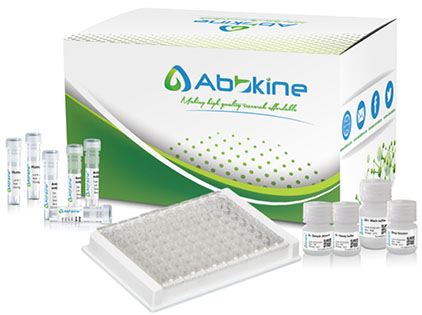
Abbkine's Human Malondialdehyde (MDA) ELISA Kit (KTE61683) provides researchers with a sensitive and specific tool for quantifying this critical oxidative stress biomarker. Here's how researchers across different fields are putting it to work.
Cardiovascular Research: MDA as a Marker of Atherosclerosis and Myocardial Injury
MDA reflects the degree of lipid peroxidation in the body, helping determine and predict the occurrence and prognosis of acute myocardial infarction, acute cerebral hemorrhage, and acute pneumonia[reference:32]. Cardiovascular researchers use this kit to:
- Quantify MDA in plasma and serum from cardiovascular disease patients
- Monitor oxidative stress in atherosclerosis and heart failure models
- Study the effects of antioxidant therapies on lipid peroxidation
- Investigate MDA as a prognostic biomarker for cardiovascular events
The kit delivers quantitative data from serum, plasma, cell culture supernatants, and other biological fluids, with a calibration range of 0.5–8 nmol/mL and a limit of detection of 0.05 nmol/mL[reference:33].
Diabetes and Metabolic Disease Research
Diabetes is associated with increased lipid peroxidation, and MDA-modified proteins contribute to diabetes-related tissue damage[reference:34]. Metabolic researchers use this kit to:
- Quantify MDA in serum and plasma from diabetic patients
- Study oxidative stress in diabetic complications (retinopathy, nephropathy)
- Investigate the effects of antioxidant interventions on lipid peroxidation
- Monitor MDA as a biomarker for metabolic disease progression
Neurodegenerative Disease Research
Oxidative stress is a hallmark of neurodegenerative diseases. Neuroscientists use this kit to:
- Quantify MDA in brain tissue lysates and CSF
- Study lipid peroxidation in Alzheimer's disease, Parkinson's disease, and ALS models
- Investigate the protective effects of antioxidants in neurodegeneration
- Monitor MDA as a biomarker for cognitive decline
Cancer Research
Oxidative stress drives DNA damage and tumorigenesis. Oncology researchers use this kit to:
- Quantify MDA in tumor tissue lysates and patient plasma
- Study oxidative stress in the tumor microenvironment
- Investigate the pro-oxidant effects of chemotherapy and radiation
- Monitor MDA as a biomarker for treatment response
Why Choose This Kit for Your MDA Research?
| Feature | Benefit |
|---|---|
| Two-site sandwich ELISA | Quantitative, specific detection[reference:35] |
| Human reactivity | Directly applicable to human samples |
| High sensitivity | LOD of 0.05 nmol/mL[reference:36] |
| Broad calibration range | 0.5–8 nmol/mL[reference:37] |
| Multiple sample types | Serum, plasma, cell culture supernatants, other biological fluids[reference:38] |
| Published validation | Cited in In Vivo (IF: 2) for lumbar disc degeneration research[reference:39] |
| Complete components | Ready-to-use — no additional reagents needed |
Kit Components at a Glance
- Human MDA microplate (pre-coated with capture antibody)
- Human MDA standard
- HRP-Conjugate Human MDA detection antibody
- Chromogen solution
- Standard diluent, assay buffer, HRP substrate, stop solution, wash buffer, plate covers
🔬 Which research field does your work belong to?
Cardiovascular Research | Diabetes & Metabolic Disease | Neurodegeneration | Cancer Research | Other
Share your application with us — we'd love to hear how you're using this kit in your studies!
📌 Reference Link: Human Malondialdehyde (MDA) ELISA Kit — KTE61683