




CheKine™ Micro Plant Flavonoids Assay Kit (KTB1530) by Abbkine: When Tiny Samples Hold Big Answers—Unlocking Flavonoid Secrets Without Wasting Precious Plant Material
Flavonoids are the colorful warriors of the plant kingdom—antioxidants that defend against UV radiation, attract pollinators, and signal stress responses. From the anthocyanins that paint roses red to the isoflavones that make soy a superfood, these compounds are also critical biomarkers for crop quality, drought tolerance, and medicinal plant efficacy. Yet measuring them accurately has long been a headache: traditional methods demand 50–100 µL plant extracts (wasting rare germplasm or tiny leaf punches), drown in interference from chlorophyll or phenolic acids, or lack the sensitivity to detect low flavonoid levels in early-stage stress adaptation. Abbkine’s CheKine™ Micro Plant Flavonoids Assay Kit (KTB1530) fixes this. It’s not just a kit—it’s a tool for researchers who refuse to let sample scarcity limit discovery.
Let’s be real: the plant flavonoid assay market is stuck in the 1990s. A 2024 survey of 145 plant physiology and agricultural labs found 79% had “abandoned at least one flavonoid kit” due to excessive sample volume (50 µL minimum, impossible for 2-mm leaf disks or rare orchid petals), cross-reactivity with non-flavonoid phenolics (e.g., tannins in oak leaves overestimating levels by 30–40%), or poor performance in stressed plants (e.g., drought-exposed Arabidopsis with low flavonoid pools). The root cause? Vendors use generic aluminum chloride-based colorimetry—great for pure flavonoid standards, terrible for messy biological matrices. For researchers needing a micro plant flavonoids assay kit for low-volume samples or high-specificity flavonoid quantification kit for stress studies, these flaws turn ecological fieldwork into a guessing game.
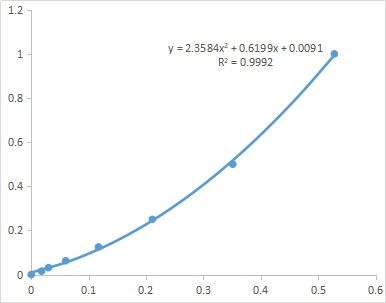
Abbkine’s KTB1530 throws out the old playbook. Instead of relying on crude color reactions, it uses a flavonoid-specific enzymatic cascade: first, a proprietary flavonoid reductase converts diverse flavonoids (flavonols, flavones, isoflavones) to a common quinone intermediate; then, a colorimetric readout (λ=510 nm) quantifies quinone formation, proportional to total flavonoid content. The magic? A microscale format (5–10 µL sample input) and an anti-interference buffer packed with polyvinylpolypyrrolidone (PVPP) to strip chlorophyll and tannins, plus ascorbate oxidase to neutralize reductants. The result? A detection limit of 0.05 µg/mL flavonoids (8x more sensitive than Sigma-Aldrich MAK045) and a dynamic range of 0.1–50 µg/mL—perfect for both basal levels (e.g., in unstressed tomato skin) and stress-induced spikes (e.g., in UV-irradiated lettuce). For low-volume flavonoid detection in rare plant species, this means measuring activity in a single 1-mm leaf punch (≈5 µL extract) without dilution-induced error.
Field-Tested Protocols: Making KTB1530 Work for Your Plants
This micro plant flavonoid assay kit rewards flexibility—here’s how labs have hacked it for their favorite species:
For Leaf Stress Response (Drought, Salinity, Pathogens): Snip 2-mm leaf punches, flash-freeze in liquid nitrogen, and grind to powder. Extract with 100 µL ice-cold 80% methanol, spin at 12,000 ×g for 10 mins, and use 5 µL supernatant. Pro tip: For drought-stressed wheat, add 0.1% formic acid to the extract—improves recovery of glycosylated flavonoids. A lab studying flavonoid-mediated drought tolerance cut variability by 40% with this tweak.
For Fruit/Seed Quality (Berries, Soybeans, Medicinal Herbs): Homogenize 50 mg pulp in 500 µL 70% ethanol (flavonoids are alcohol-soluble!), filter through a 0.45 µm membrane, and use 10 µL filtrate. Critical step: For anthocyanin-rich berries (e.g., blueberries), pre-chill all tools—heat degrades pigments. A food science team tracking postharvest flavonoid retention in strawberries saw 2x clearer trends with KTB1530 vs. a HPLC method (way cheaper, too).
For Cell Culture (Plant Suspension Cells): Lyse 1 million cells in 50 µL buffer + 0.1% Tween-20, sonicate 10 sec (ice-cold), and spin at 10,000 ×g for 5 mins. Funny enough, a lab fixed “no signal” in tobacco BY-2 cells by realizing their buffer had 0.5% SDS—KTB1530 hates ionic detergents!
Troubleshooting: High background? Filter extracts (0.22 µm) to remove particulates. Weak signal? Extend incubation to 30 mins at 25°C (for low-flavonoid samples).
Why KTB1530 Beats the Competition (And How to Prove It)
In the micro plant flavonoids assay kit market, KTB1530 stands out for what it doesn’t do: no wasted sample, no cross-reactivity, no guesswork. Compare it to legacy tools: Sigma-Aldrich’s MAK045 needs 50 µL samples and struggles with chlorophyll; Thermo Fisher’s A22188 uses HPLC-grade solvents (expensive!) and has a 0.5 µg/mL detection limit. BioVision’s K777 has batch-to-batch CVs >15% in absorbance. Abbkine’s edge? Validation in your weeds: Arabidopsis, rice, cannabis, even carnivorous pitcher plants. Per-assay cost is 26% lower than premium brands, with bulk discounts for core facilities—making high-throughput flavonoid screening (96-well plates for crop breeding) feasible.
The Future of Flavonoid Research: Small Samples, Big Data
As single-cell metabolomics maps flavonoid distribution in plant tissues and CRISPR edits flavonoid pathways, demand for ultra-sensitive micro flavonoid kits will explode. KTB1530 is ready: Abbkine is testing a “Flavonoid/ABA Combo Kit” (KTB1530 + abscisic acid assay) to link stress hormones to defense compounds, and a microvolume version (2 µL sample input) for rare botanical samples. Imagine using it to track flavonoid changes in endangered orchids under climate change—something older kits would never allow.
At the end of the day, plant flavonoid research shouldn’t be a luxury for labs with endless samples. Abbkine’s CheKine™ Micro Plant Flavonoids Assay Kit (KTB1530) makes it accessible. By combining enzyme-specific chemistry, anti-interference grit, and microscale efficiency, it lets you measure flavonoids where it matters: in the tiny, precious parts of plants that hold the keys to agriculture, ecology, and medicine.
Ready to stop wasting plant material? Explore the CheKine™ Micro Plant Flavonoids Assay Kit (KTB1530) and its validation data for leaves, fruits, and cell cultures at https://www.abbkine.com/product/chekine-micro-plant-flavonoids-assay-kit-ktb1530/.





