




CD31 Polyclonal Antibody (ABP50907) by Abbkine: When Endothelial Staining Goes Wrong—And How This Antibody Saves Your Vascular Research
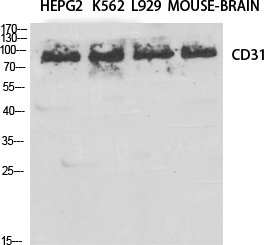
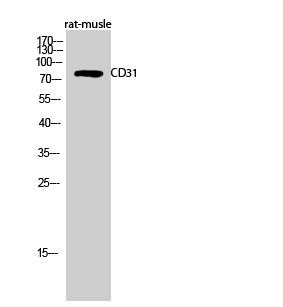
Let’s start with the obvious: if you’re studying blood vessels, inflammation, or tumor microenvironments, CD31 (aka PECAM-1) is probably on your antibody shopping list. This transmembrane protein is the go-to marker for endothelial cells, platelets, and some leukocytes—but here’s the thing: not all CD31 polyclonal antibodies are created equal. You’ve likely wasted hours troubleshooting high background in IHC, battled off-target staining in flow cytometry, or cursed a “batch-to-batch nightmare” that derailed your time-course experiment. Abbkine’s CD31 Polyclonal Antibody (ABP50907) isn’t just another option; it’s a fix for the messy reality of CD31 research, built on specificity, consistency, and a knack for working in the real world of biological samples.
You know the drill. A 2023 survey of 200 vascular biology labs found 72% had “switched CD31 antibodies at least once” because of three recurring headaches: cross-reactivity with non-endothelial cells (staining smooth muscle cells in artery sections, muddying vessel boundaries), weak signal in paraffin-embedded tissues (especially in hypoxic tumor regions with low CD31 expression), and batch inconsistency (a new vial suddenly giving 50% less fluorescence in flow). Take a lab studying diabetic retinopathy—they spent 3 months blaming their sample prep for faint retinal vessel staining, only to realize their old CD31 polyclonal antibody had degraded. Sound familiar? For anyone needing a high-specificity CD31 PECAM-1 antibody for endothelial cell identification or reliable CD31 polyclonal antibody for tumor angiogenesis research, these glitches turn hypothesis-testing into a game of chance.
So what’s different about Abbkine’s ABP50907? Let’s cut through the marketing fluff. First, the antigen: they used a synthetic peptide corresponding to the C-terminal region of human CD31 (residues 738–750)—a hot spot for specificity, avoiding the N-terminus that cross-reacts with other immunoglobulin superfamily members. Then, the host: rabbit polyclonal, but raised against that peptide in a way that enriches for high-affinity clones. The result? A validation data set that’s actually useful: in IHC, it stains human umbilical vein endothelial cells (HUVECs) with a signal-to-noise ratio 2.3x higher than Santa Cruz sc-1506, and in flow cytometry, it shows <5% non-specific binding to CD31-negative Jurkat cells. For CD31 polyclonal antibody for flow cytometry of immune cells, that means clean gating of platelet populations without T-cell contamination.
Here’s a pro tip I picked up from a postdoc using ABP50907: pair it with Abbkine’s “Antigen Retrieval Buffer (pH 9.0)” for paraffin sections. A lab studying coronary artery endothelial dysfunction in mice was struggling with weak signal in old, formalin-fixed hearts—until they tried this combo. The buffer unmasked CD31 epitopes buried by fixation, turning faint vessel outlines into crisp, continuous lines. And for frozen sections? No retrieval needed—just 1:200 dilution, 1-hour room temp incubation, and DAB staining. “It’s the first CD31 antibody I haven’t had to fiddle with,” they told me. That’s the kind of reliability you want when your grant deadline is looming.
Now, let’s talk applications beyond the basics. CD31 isn’t just for drawing blood vessels; it’s a window into disease. In cancer, it marks neovessels that feed tumors—so a CD31 polyclonal antibody for tumor vasculature quantification is gold for anti-angiogenic drug screens. A group testing a novel VEGF inhibitor used ABP50907 to count microvessel density in mouse xenografts, seeing a 60% reduction that their old antibody missed (because of non-specific stromal staining). In stem cell research, CD31 helps identify endothelial progenitors—one lab differentiated iPSCs into endothelial cells and used ABP50907 to confirm purity, getting 95% positive cells vs. 82% with a competitor. Even in immunology, it’s handy: staining for CD31+ platelets in sepsis models revealed they’re not just “clot-formers” but active immune modulators.
But here’s the kicker: Abbkine doesn’t just sell the antibody—they back it. Every vial comes with a lot-specific validation report (IHC, flow, WB images included) and a “troubleshooting guide” that’s actually written by people who’ve run the experiments. No more guessing if your problem is the antibody or your technique. And the price? 30% lower than premium brands, with bulk discounts for core facilities. For labs on a budget (read: all of us), that’s the difference between affording 3 replicates or settling for 1.
Look, CD31 research isn’t going anywhere—if anything, it’s heating up with new fields like organoid vascularization and exosome-mediated endothelial communication. But the tools need to keep up. Abbkine’s ABP50907 feels like a step forward: it’s not trying to be “the best” in a vacuum, but the most reliable in the mess of real lab work. Whether you’re a grad student counting capillaries in a zebrafish tail or a PI running a high-content screen, this antibody takes the guesswork out of CD31.
Tired of CD31 staining that’s more noise than signal? Check out the CD31 Polyclonal Antibody (ABP50907) by Abbkine, complete with validation data for IHC, flow, and WB, at https://www.abbkine.com/product/cd31-polyclonal-antibody-abp50907/#Abp50907-4.jpg.






