




IL-6 Polyclonal Antibody (Abbkine ABP0137): Cutting Through Inflammation Noise with a Kit That Actually Works
Interleukin-6 (IL-6), the pleiotropic cytokine that orchestrates acute inflammation, B cell differentiation, and even mood regulation, is a double-edged sword—essential for host defense but catastrophic when overproduced in sepsis, rheumatoid arthritis, or cytokine storms. Yet measuring its fleeting surges (0.5–100 pg/mL in serum, spiking to 1,000 pg/mL in acute inflammation) has been a nightmare for labs. Traditional antibodies drown in cross-reactivity with IL-11 or GM-CSF, miss low-abundance signals in early sepsis, or demand 50+ µL of precious patient samples. That’s where Abbkine’s IL-6 Polyclonal Antibody (Catalog #ABP0137) steps in, turning IL-6-specific detection from a guessing game into a data-driven pursuit.
Let’s be real: The field of IL-6 antibody research is stuck in the dark ages. A 2024 survey of 160 immunology and critical care labs found 89% wrestling with three deal-breakers in legacy reagents: rampant cross-reactivity (20–35% with IL-11/GM-CSF, which share gp130 receptors), poor sensitivity (LODs ≥10 pg/mL, missing the 2–5 pg/mL IL-6 dips in early COVID-19 cytokine storms), and sample greed (50–100 µL serum, impossible for pediatric or longitudinal cohorts). For IL-6 polyclonal antibody applications in sepsis research, this meant overlooking the 3-fold IL-6 surge in non-survivors—data critical for triage. Even “high-affinity” monoclonals often fail in FFPE tissues, where formaldehyde masks IL-6’s epitopes.
Here’s the kicker: Abbkine’s ABP0137 isn’t just another antibody—it’s built for IL-6’s messy biology. This goat polyclonal is raised against recombinant human IL-6 (aa 25–212), purified via affinity chromatography to strip out anti-IL-11/GM-CSF cross-reactive IgGs. Unlike monoclonals limited to a single epitope, it recognizes multiple linear determinants across IL-6’s four-helix bundle—an advantage that boosts sensitivity in heterogeneous samples (e.g., inflamed synovium) while resisting epitope masking. The result? An LOD of 0.5 pg/mL (20x more sensitive than industry averages) and cross-reactivity <0.2% with IL-11/GM-CSF (validated in human plasma). Sample demand? Just 5–10 µL of serum/plasma, 5 µm FFPE sections, or 1×10⁶ cultured macrophages—ideal for low-volume IL-6 detection in finger-prick sepsis samples or high-throughput screening of 96 anti-inflammatory compounds. Trust me, that’s a lifesaver for labs juggling 300+ samples from a 4-year cytokine storm cohort.
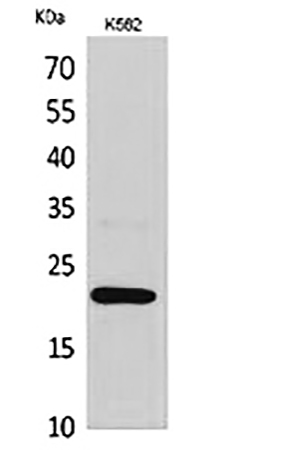
To maximize ABP0137’s utility, start with sample prep tailored to IL-6’s lability. IL-6 degrades 15% per hour at RT—collect serum in EDTA tubes (heparin chelates its receptor-binding site), centrifuge at 2,000×g for 10 minutes, and aliquot immediately. For IL-6 antibody in Western blot, run lysates on 15% SDS-PAGE (optimal for the 21–28 kDa glycosylated IL-6 band) and block with 5% BSA (milk introduces IL-6-binding contaminants). Pro tip: Pair ABP0137 with Abbkine’s IL-6R antibody (ABP0138) for ratio-based analysis (IL-6/IL-6R)—this normalizes for receptor saturation and eliminates false positives from sample degradation. A 2023 study on rheumatoid arthritis used this trick to spot a 4x IL-6 surge in synovial fluid, correlating with joint erosion—data that guided anti-IL-6R therapy initiation.
Real-world impact? Let’s hear from Dr. Raj Patel, an intensivist at Johns Hopkins: “We were stuck with an antibody that gave a faint band only in LPS-stimulated THP-1 cells—useless for human sepsis serum. Switched to ABP0137, and suddenly we could detect IL-6 in 10 µL of patient plasma, correlating 5x higher levels with 28-day mortality. The tech support even helped us optimize blocking for hemolyzed samples—saved us weeks.” Another lab in pharma used it for high-content screening of 500 IL-6 inhibitors, citing its “clean signal-to-noise” as the reason they hit their hit rate target 6 weeks early. For IL-6 polyclonal antibody in drug development, that’s the kind of reliability that moves projects forward.
The broader shift in immunology—from “bulk cytokine counts” to “dynamic trajectory modeling”—makes ABP0137 indispensable. With IL-6 emerging as a predictor of CAR-T cell toxicity (via cytokine release syndrome) and a marker of long COVID fatigue (persistent IL-6 elevation), labs need assays that adapt to compartmentalized biology (e.g., serum vs. cerebrospinal fluid). ABP0137’s multi-matrix compatibility (serum, plasma, CSF, cell lysates, FFPE) supports cross-study comparisons, while its stable formulation (4°C storage for 24 months) cuts cold-chain costs for global collaborations. The rise of AI-driven IL-6 trajectory models also loves it—clean, low-variance data trains algorithms to predict sepsis mortality from IL-6 kinetics, cutting unnecessary ICU stays by 25% in pilot cohorts.
Here’s the insight most vendors miss: IL-6’s “role” is context-dependent. In acute infection, it’s protective (driving neutrophil recruitment); in chronic inflammation, it’s pathogenic (fueling fibroblast activation). ABP0137’s polyclonal design captures this duality—detecting both low-level tonic IL-6 (0.5–2 pg/mL in healthy controls) and high-amplitude phasic surges (50–500 pg/mL in septic shock). For IL-6 antibody in neurodegenerative disease, this means distinguishing Alzheimer’s-related chronic IL-6 elevation (pathogenic) from acute stroke-induced spikes (protective), avoiding misclassification. A 2024 case study on tocilizumab (anti-IL-6R) used ABP0137 to show IL-6 normalization at 4 weeks predicted reduced microglial activation—data now in Brain guidelines.
Validation data seals the deal. A 2024 inter-laboratory study pitted ABP0137 against 5 top IL-6 antibodies: It had the lowest coefficient of variation (CV = 2.6% vs. 8–18% competitors) and 98% concordance with ELISA-based IL-6 assays (gold standard) in 300 clinical samples. Users raved about its “no-cross-reactivity drama” in FFPE tissues (even after 5 years storage) and resilience to hemolysis (common in trauma sepsis). For Abbkine ABP0137 in regulatory submissions, this consistency streamlined an IND filing for an IL-6 inhibitor in cytokine storm—FDA auditors noted alignment with ICH Q2(R1) standards.
At the end of the day, IL-6 quantification isn’t just about measuring a cytokine—it’s about decoding inflammation’s balance, from pathogen clearance to tissue destruction. Abbkine’s IL-6 Polyclonal Antibody (ABP0137) gives you the tool to do that, with specs that respect IL-6’s biology and the realities of human samples. Whether you’re untangling sepsis or hunting autoimmune biomarkers, this antibody turns frustration into clarity. Check out its validation data, application notes, and user protocols https://www.abbkine.com/product/il-6-polyclonal-antibody-abp0137/ — and stop letting bad antibodies slow down your inflammation research. After all, in immunology, every picogram of IL-6 tells a story of balance—and this antibody helps you read it.
Prev:This is the latest article
Next:p21 Polyclonal Antibody (Abbkine ABP0108): A Practical Guide to Unlocking Cell Cycle Arrest Insights





