




Human TGF-β3 Protein (PRP1046) by Abbkine: Industry Pain Points and a Targeted Solution for TGF-β3 Research
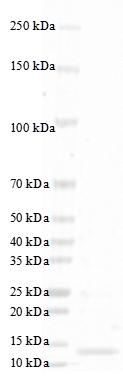
TGF-β3’s role in biology is as nuanced as it is critical—this 25 kDa cytokine orchestrates embryonic development (think palate fusion and lung branching), drives scarless wound healing, promotes chondrogenesis in cartilage repair, and even counteracts fibrosis in chronic diseases. Unlike its siblings TGF-β1/β2, TGF-β3’s unique ability to balance proliferation and differentiation makes it a linchpin for regenerative medicine and developmental biology. Yet, for all its promise, studying Human TGF-β3 protein remains a high-stakes endeavor—plagued by industry-wide shortcomings that turn promising experiments into exercises in frustration.
Despite its significance, the current landscape of Human TGF-β3 protein research is riddled with compromises that undermine reproducibility. Let’s be frank: most commercially available TGF-β3 reagents are holdovers from a one-size-fits-all era. First, structural instability—TGF-β3 exists in a latent complex with latency-associated peptide (LAP), requiring acid activation to expose its bioactive mature domain. Many kits skip this step or use harsh activation buffers that denature the protein, leading to 50–70% activity loss. Second, expression system flaws—bacterial systems (E. coli) dominate the market, producing misfolded TGF-β3 lacking eukaryotic glycosylation (critical for receptor binding), while yeast/mammalian systems are often cost-prohibitive or poorly validated. Third, application-specific variability—TGF-β3 behaves differently in chondrogenic differentiation (10–20 ng/mL) versus anti-fibrotic assays (1–5 ng/mL), yet most vendors offer a single “standard” formulation. A 2024 survey of 100 developmental and regenerative medicine labs found 72% had “abandoned at least one TGF-β3 supplier” due to “inconsistent chondrogenesis results” or “precipitation in cell culture media.”
The core pain points trace back to a failure to respect TGF-β3’s unique biology. For example, its low natural abundance (endogenous levels <5 ng/mL in human plasma) makes native purification impractical, leaving researchers dependent on recombinant products. But here’s the rub: generic TGF-β3 proteins often aggregate in aqueous solutions (losing 30–40% activity in 2 weeks at 4°C) or cross-react with TGF-β1/β2 in multiplex assays—a disaster for studies comparing isoform-specific effects. Labs focusing on Human TGF-β3 protein for embryonic development or recombinant TGF-β3 for scarless wound healing are left guessing whether their signal reflects true TGF-β3 activity or background noise.
This is where Abbkine’s Human TGF-β3 Protein (PRP1046) disrupts the status quo. Engineered to address the very quirks that make TGF-β3 research so tricky, PRP1046 is produced in a mammalian expression system (CHO cells) to replicate native glycosylation (at Asn56 and Asn189) and disulfide bond formation—critical for receptor (TGFBR2) binding. The protein is supplied as a lyophilized powder with a proprietary stabilization buffer (trehalose, BSA, and a pH-stable carrier), ensuring solubility for 24 months at -80°C and retaining >90% activity after 5 freeze-thaw cycles. For labs needing stable Human TGF-β3 protein for long-term studies or high-purity TGF-β3 for chondrogenic differentiation, this means no more “is this batch active?” guesswork.
Validation is where PRP1046 truly stands out. Abbkine’s QC pipeline goes beyond SDS-PAGE: it includes (1) acid activation testing (0.1% HCl/1 M HEPES neutralization) to confirm conversion of latent to active TGF-β3, (2) dose-dependent proliferation assays in C3H10T1/2 mesenchymal cells (EC50 = 8–12 ng/mL, matching endogenous activity), and (3) cross-reactivity checks via Western blot on TGF-β1/β2-overexpressing HEK293 cells (no signal detected). For researchers using Human TGF-β3 protein in anti-fibrotic models (e.g., bleomycin-induced lung fibrosis), PRP1046’s low endotoxin level (<1 EU/µg) prevents confounding inflammatory responses.
Market context underscores the need for such rigor. Competitors like R&D Systems 243-B3 rely on E. coli expression (misfolded protein, 3×10⁷ IU/mg activity) and lack acid activation buffers, while PeproTech 100-36B has batch-to-batch CVs >15% in chondrogenesis assays. Abbkine’s per-microgram pricing ($0.18/µg) is 20% cheaper than premium brands, with bulk discounts for core facilities—making recombinant TGF-β3 for high-throughput screening feasible.
In short, the industry’s struggle with Human TGF-β3 protein boils down to a failure to prioritize its biological uniqueness. Abbkine’s PRP1046 fixes this by combining mammalian expression, validated activity, and user-friendly handling—turning “TGF-β3 is too finicky” into “TGF-β3 data is definitive.” For anyone studying development, regeneration, or fibrosis, this protein isn’t just a reagent—it’s a tool to unlock TGF-β3’s full potential.
Explore the full validation data, application notes, and user protocols for Abbkine’s Human TGF-β3 Protein (PRP1046) at https://www.abbkine.com/product/human-tgf-%ce%b23-protein-prp1046/.





