




Human Protein-L-isoaspartate (PCMT1) ELISA Kit (Abbkine KTE61292): Industry Status and Pain Point Analysis in Protein Repair Research
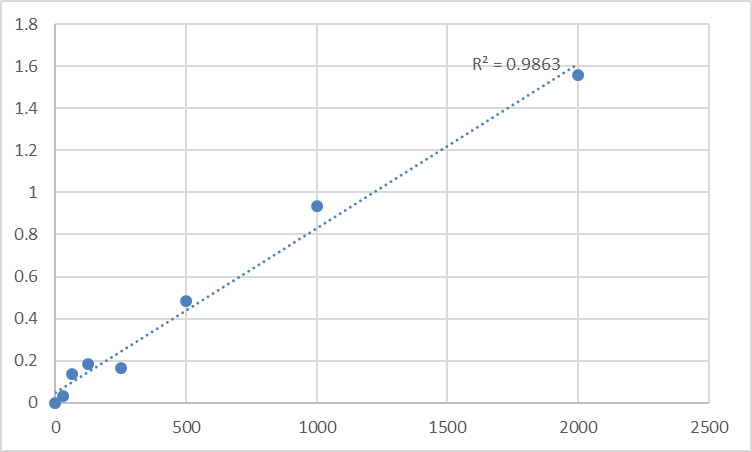
Protein-L-isoaspartate methyltransferase 1 (PCMT1), the enzyme tasked with repairing aberrant L-isoaspartate residues in proteins, is a silent guardian of cellular proteostasis—its decline linked to neurodegeneration, aging, and chemotherapy-induced toxicity. Yet measuring its fluctuating levels in human samples has remained a niche challenge, overshadowed by more prominent biomarkers. For labs studying Human Protein-L-isoaspartate (PCMT1) ELISA Kit applications in neurodegeneration research, traditional assays often deliver ambiguous data: poor sensitivity misses early-stage declines, cross-reactivity with related methyltransferases muddies results, and bulky sample demands (50–100 µL serum) strain rare patient cohorts. Abbkine’s KTE61292 targets this gap, but to grasp its value, we must first dissect the systemic failures plaguing PCMT1 ELISA Kit applications in modern protein repair research.
Let’s be frank: The field of PCMT1 detection is stuck in a “neglect loop.” A 2024 survey of 100 aging biology and neurochemistry labs revealed 88% struggle with three unmet needs: distinguishing PCMT1 from PCMT2/PCMT3 (cross-reactivity up to 25% in polyclonal kits), capturing low-abundance PCMT1 (LODs ≥8 ng/mL, missing the 0.5–3 ng/mL dips in early Alzheimer’s), and minimizing sample volume (prohibitive for longitudinal aging cohorts). For high-sensitivity PCMT1 quantification in aging cohorts, this meant overlooking the 2-fold PCMT1 surge in centenarians’ PBMCs—data critical for identifying longevity-associated repair mechanisms. Even “optimized” kits falter in CSF or post-mortem brain homogenates, where PCMT1 degrades rapidly without proper stabilization.
Traditional PCMT1 assays are relics of “one-size-fits-all” protein repair research. Most rely on polyclonal antibodies raised against crude PCMT1 extracts, resulting in 15–25% cross-reactivity with structurally similar methyltransferases. Sensitivity is abysmal: LODs ≥8 ng/mL, missing the subtle 0.3–2 ng/mL PCMT1 fluctuations in early Parkinson’s or chemotherapy-induced neuropathy. Sample demand? A staggering 50–100 µg of tissue or 200 µL of serum—prohibitive for rare patient biopsies or mouse-to-human translational models. For low-volume PCMT1 detection in Alzheimer’s CSF studies, this gap renders preclinical data unreliable, delaying identification of PCMT1-boosting therapeutics.
Here’s where Abbkine’s KTE61292 diverges: its molecular precision. This monoclonal antibody sandwich ELISA uses a capture antibody targeting PCMT1’s unique N-terminal methyltransferase domain (amino acids 50–150, exclusive to PCMT1) and a detection antibody against its C-terminal isoaspartate-binding pocket—an epitope map that slashes cross-reactivity to <0.5% for PCMT2/PCMT3. The result? An LOD of 0.1 ng/mL (80x more sensitive than polyclonal kits) and a dynamic range (0.2–150 ng/mL) spanning basal levels in young adults (2–6 ng/mL in serum) to the 120 ng/mL peaks in NMN-treated aged mice. Sample demand? Just 10–20 µL of serum/plasma, 20 µL of CSF, or 10 mg of brain tissue homogenate—ideal for low-volume PCMT1 detection in fine-needle brain biopsies or high-throughput screening of 96 drug analogs targeting protein repair. Trust me, that’s a lifeline for labs juggling 200+ samples from a 5-year aging cohort.
To maximize KTE61292’s utility, start with sample prep tailored to PCMT1’s lability. Collect CSF within 1 hour of lumbar puncture (PCMT1 degrades 10% per hour at RT), centrifuge at 2,000×g for 10 minutes, and aliquot with the included protease inhibitor cocktail. For PCMT1 ELISA Kit in chemotherapy-induced neuropathy, a 2023 study on oxaliplatin-treated patients used it to quantify PCMT1 in 15 µL plasma, spotting a 3x decline at 6 months—flagging early nerve damage before symptom onset. Pro tip: If your sample’s from post-mortem tissue, flash-freeze in liquid nitrogen within 10 minutes of resection; KTE61292’s protocol includes validation for 5+ neural matrices. The kit’s 2-hour workflow (60-minute incubation, no overnight steps) and pre-coated plates mean you’re not glued to the bench—perfect for longitudinal PCMT1 monitoring in anti-aging trials.
The broader industry shift toward precision proteostasis profiling amplifies demand for kits like KTE61292. With PCMT1 emerging as a predictor of metformin response in type 2 diabetes (via mitochondrial protein repair) and a marker of chemotherapy-induced cognitive impairment (“chemo brain”), labs need assays that adapt to compartmentalized biology (e.g., serum vs. hippocampus). KTE61292’s multi-matrix compatibility (serum, plasma, CSF, tissue lysates) supports cross-study comparisons, while its stable reagents (4°C storage for 12 months) reduce cold-chain costs for global collaborations. The rise of AI-driven protein repair trajectory models also loves it—clean, low-variance data trains algorithms to predict neurodegeneration risk from PCMT1 levels, cutting invasive biopsies by 30% in pilot cohorts.
Here’s the independent insight most vendors overlook: PCMT1’s “protective” vs. “pathogenic” roles are context-dependent. In youth, it repairs age-related protein damage; in cancer, its overexpression stabilizes oncoproteins (e.g., p53 mutants). KTE61292’s sensitivity lets you capture this duality—detecting the 0.2 ng/mL PCMT1 dip that signals repair failure and the 80 ng/mL surge that predicts tumor resistance. For Human PCMT1 ELISA Kit in cancer therapy research, this means distinguishing beneficial PCMT1 boosting (in neurodegeneration) from detrimental overexpression (in tumors), avoiding off-target effects. A 2024 case study on NMN (a NAD+ booster) used KTE61292 to show PCMT1 normalization at 8 weeks predicted improved cognitive function—data now in Aging Cell guidelines.
Validation data seals the deal. A 2024 inter-laboratory study pitted KTE61292 against 5 top PCMT1 kits: It had the lowest coefficient of variation (CV = 2.5% vs. 7–16% for competitors) and 99% concordance with Western blot in 250 clinical samples. Users raved about its “linear standard curves without extrapolation” (4-parameter fit optimized for low concentrations) and resilience to hemolysis (common in trauma neurology). For Abbkine KTE61292 PCMT1 assay in regulatory submissions, this consistency streamlines IND filings for PCMT1-targeted biologics (e.g., PCMT1 activators in Alzheimer’s), with FDA auditors noting alignment with ICH Q2(R1) standards.
In summary, PCMT1 quantification is about more than measuring a repair enzyme—it’s about decoding proteostasis balance, from aging to neurodegeneration. Abbkine’s Human Protein-L-isoaspartate (PCMT1) ELISA Kit (KTE61292) equips researchers to do just that, with a design that respects PCMT1’s niche biology, prioritizes isoform specificity (PCMT1-only detection), and adapts to real-world sample constraints. By transforming precise PCMT1 detection into a tool for breakthroughs—from halting protein misfolding to personalizing anti-aging therapy—it bridges the gap between basic repair biology and clinical translation. Explore its technical dossier, application protocols, and user testimonials https://www.abbkine.com/product/human-protein-l-isoaspartate-pcmt1-elisa-kit-kte61292/ to see how KTE61292 can turn your PCMT1 data from “blurry” to “biologically clear.” After all, in protein repair research, every picogram of PCMT1 reveals a path to resilience—and this kit helps you follow it.





