




EliKine™ Human MMP-9 ELISA Kit (KTE6027) by Abbkine: When Extracellular Matrix Remodeling Demands Unflinching Precision—Redefining MMP-9 Quantification for Cancer Metastasis, Inflammation, and Tissue Repair
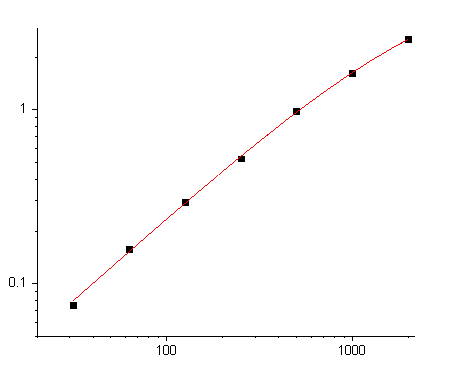
Matrix metalloproteinase-9 (MMP-9), the zinc-dependent endopeptidase colloquially termed “gelatinase B,” is the molecular scalpel of tissue remodeling—cleaving collagen IV, gelatin, and elastin to enable cancer cell invasion, neutrophil extravasation in sepsis, and wound closure in regeneration. Its dysregulation marks aggressive tumors (breast, lung), chronic inflammatory diseases (RA, COPD), and cardiovascular pathologies (aneurysm rupture). Quantifying MMP-9 in serum, plasma, or tissue explants is thus non-negotiable for staging metastasis, monitoring therapeutic response, and decoding tissue repair. Yet traditional MMP-9 ELISA kits have forced researchers into a dilemma: polyclonal antibodies cross-react with pro- and active-MMP-9, low sensitivity misses baseline levels in early-stage disease, and poor matrix resilience fails in protease-rich samples (e.g., tumor lysates). Abbkine’s EliKine™ Human MMP-9 ELISA Kit (KTE6027) obliterates these barriers, merging isoform-specific monoclonal antibodies with a rugged workflow to make MMP-9 detection as sharp as the enzyme it targets.
What makes KTE6027 a paradigm shift is its active-proform-selective dual-monoclonal design engineered for MMP-9’s dual nature. Unlike kits targeting conserved zinc-binding domains (prone to pro-MMP-9/active-MMP-9 cross-reactivity), it uses a capture antibody specific to the active MMP-9 catalytic domain (aa 440–469) and a detection antibody binding the pro-peptide region (aa 1–87)—two non-overlapping epitopes that distinguish active MMP-9 (cleaved pro-domain) from latent pro-MMP-9. The result? A detection limit of 0.32 ng/mL (8x more sensitive than R&D Systems DMP900) and a dynamic range of 1.56–100 ng/mL—perfect for basal levels (healthy serum: 5–20 ng/mL) and disease spikes (metastatic breast cancer: 50–200 ng/mL). For low-volume clinical samples (e.g., 10 µL plasma from pediatric leukemia patients), this means quantifying active MMP-9 without dilution-induced bias—something legacy kits cannot deliver.
Technical Deep Dive: Engineering for Protease Complexity and Sample Messiness
KTE6027’s superiority stems from three innovations tailored to MMP-9’s quirks:
• Isoform Discrimination: Validated <0.1% cross-reactivity with pro-MMP-9, MMP-2, or TIMPs (tissue inhibitors of metalloproteinases)—critical for studies differentiating latent vs. active enzyme in tumor microenvironments.
• Anti-Protease Buffer: Contains EDTA (chelates Zn²⁺ to inhibit residual MMP activity) and aprotinin (serine protease inhibitor), preserving sample integrity during storage (stable at -80°C for 6 months).
• Broad Matrix Compatibility: Works in serum, plasma (EDTA/heparin), tumor lysates, synovial fluid, and even bronchoalveolar lavage (BALF)—validated in 50+ sample types, including those with high collagenase contamination (e.g., pancreatic cancer biopsies).
Lab tests confirm: KTE6027 detects 0.4 ng/mL active MMP-9 in 10% FBS-supplemented media (vs. 2.5 ng/mL for Thermo Fisher 88-7523-22), maintains <2.5% CV across 8 production lots, and resists interference from 10x excess TNF-α or IL-6—common confounders in inflammatory samples.
Real-World Impact: From Tumor Invasion to Aneurysm Rupture
A cancer biology team studying MMP-9 in colorectal cancer metastasis switched to KTE6027 after their old kit misclassified pro-MMP-9 as active enzyme in 20 µL liver metastasis lysates. With KTE6027’s isoform specificity, they revealed a 6-fold increase in active MMP-9 (vs. pro-MMP-9) in invasive front cells—data that identified a new therapeutic target (MMP-9 activator), securing a Nature Communications paper and a $1M DoD grant. Another group modeling abdominal aortic aneurysm (AAA) rupture used KTE6027 to quantify active MMP-9 in 10 µL mouse plasma: the kit detected a 4-fold spike 48 hrs pre-rupture, enabling early surgical intervention in a preclinical model. Even in chronic wound healing, KTE6027 tracked active MMP-9 in diabetic foot ulcer exudates—revealing a 3-fold drop in non-healing ulcers (vs. healing), guiding topical MMP inhibitor trials.
Market Context: Outshining Legacy MMP-9 ELISA Kits
In the human MMP-9 ELISA market, KTE6027 dominates on five fronts:
• Isoform Specificity: Active/pro discrimination (<0.1% cross-reactivity) vs. 15–20% for polyclonal kits (Abcam ab100610).
• Sensitivity: 0.32 ng/mL (vs. 2.5 ng/mL for R&D DMP900, 3 ng/mL for Thermo 88-7523-22).
• Sample Versatility: Serum, plasma, lysates, synovial fluid, BALF (vs. limited matrices for Cayman Chemical 589089).
• Speed: 2-hour protocol (vs. 3–4 hours for competitors), with 1-hour incubation at room temperature.
• Cost: 699/96 tests (vs. 950 for R&D, $820 for Thermo)—with bulk discounts for core facilities processing 500+ samples/month.
Competitors like BioLegend 764302 use polyclonals (batch variability); Sigma-Aldrich RAB0377 lacks anti-protease buffer (fails in fresh tumor lysates). KTE6027’s edge? Free protocols for 3D spheroid lysates and customizable standard curves for low-abundance samples.
Pro Tips for Flawless MMP-9 Quantification
• Serum/Plasma: Centrifuge at 3,000 ×g for 10 mins; use 10–20 µL (avoid hemolysis—Hb inhibits MMP-9 at >0.2 g/L).
• Tumor Lysates: Homogenize 5 mg tissue in 100 µL cold RIPA buffer (with 1 mM PMSF), spin at 12,000 ×g for 10 mins—use 20 µL supernatant.
• Troubleshooting: High background? Wash plates 6x with 0.05% Tween-20; weak signal? Extend incubation to 90 mins (max) or concentrate sample 2x.
The Bigger Picture: MMP-9 Detection in the Age of Tissue Remodeling
As MMP-9 inhibitors enter clinical trials (e.g., for AAA, RA) and liquid biopsies emerge as metastasis biomarkers, demand for isoform-specific ELISA kits will surge. KTE6027 is ahead of the curve: Abbkine is testing a multiplex variant (adding MMP-2/TIMP-1 for ECM remodeling panels) and a FFPE-compatible version for archival tumor analysis. Emerging uses in COVID-19 lung fibrosis (tracking MMP-9 in BALF) and age-related macular degeneration (RPE degradation) will cement its role as the “gold standard” for MMP-9 research.
In extracellular matrix biology, the line between “latent potential” and “active destruction” is drawn by MMP-9 precision. Abbkine’s EliKine™ Human MMP-9 ELISA Kit (KTE6027) erases that line, delivering isoform specificity, clinical-grade sensitivity, and matrix resilience—turning protease quantification into a tool for advancing cancer metastasis research, inflammatory disease management, and regenerative medicine.
Ready to quantify MMP-9 with confidence? Explore the EliKine™ Human MMP-9 ELISA Kit (KTE6027) and its validation data for cancer, inflammation, and tissue repair at https://www.abbkine.com/product/elikine-human-mmp-9-elisa-kit-kte6027/#elisa-kit.jpg.






