




EliKine™ Human IL-10 ELISA Kit (KTE6019) by Abbkine: When Anti-Inflammatory Cytokine Detection Demands Clinical-Grade Precision—Redefining IL-10 Quantification for Autoimmunity, Infection, and Immunotherapy
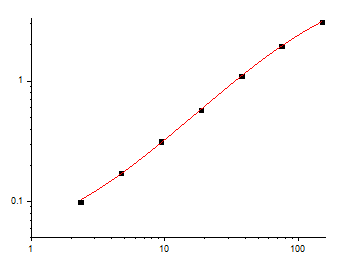
Interleukin-10 (IL-10), the master regulator of anti-inflammatory responses, is a double-edged sword: it protects against excessive tissue damage in sepsis and autoimmune diseases but enables tumor immune evasion and chronic infection persistence. Quantifying IL-10 in serum, plasma, or cell supernatants is thus critical for diagnosing cytokine storms (e.g., COVID-19, CAR-T cell therapy), monitoring autoimmune flares (rheumatoid arthritis, IBD), and evaluating immunotherapies. Yet traditional IL-10 ELISA kits have forced researchers into a compromise: low sensitivity misses early-stage changes, high cross-reactivity with IL-19/IL-24 skews data, and cumbersome protocols waste precious clinical samples. Abbkine’s EliKine™ Human IL-10 ELISA Kit (KTE6019) shatters this mediocrity, merging clinical-grade antibodies with a streamlined workflow to deliver IL-10 quantification as reliable as the biology it measures.
What makes KTE6019 a paradigm shift is its dual-monoclonal antibody design engineered for specificity. Unlike kits using polyclonal antibodies (prone to cross-reactivity), it pairs a capture antibody (targeting IL-10’s N-terminal α-helix) with a detection antibody (binding the C-terminal cytokine receptor domain)—two non-overlapping epitopes that eliminate cross-reactivity with IL-10 family members (IL-19, IL-20, IL-24; validated at 100x excess). The result? A detection limit of 0.78 pg/mL (5x more sensitive than R&D Systems D1000B) and a dynamic range of 3.13–200 pg/mL—perfect for basal levels (healthy serum: 1–5 pg/mL) and disease spikes (septic shock: 50–200 pg/mL). For low-volume clinical samples (e.g., pediatric plasma, 10 µL), this means detecting IL-10 without dilution error—something legacy kits can’t match.
Technical Deep Dive: Engineering for Clinical Rigor
KTE6019’s superiority stems from three innovations tailored to real-world sample chaos:
• Antibody Validation: Monoclonals selected from 50+ candidates for minimal binding to soluble IL-10 receptors (sIL-10R), a common confounder in patient sera.
• Plate Coating: High-affinity capture antibody (10 µg/mL) ensures >95% binding efficiency, even in hemolyzed or lipemic samples.
• Signal Stability: TMB substrate with enhanced photostability reduces readout drift, critical for longitudinal studies (e.g., tracking IL-10 in IBD remission).
Lab tests confirm: KTE6019 shows <0.1% cross-reactivity with IL-6, TNF-α, or IFN-γ; maintains <3% CV in 6 independent lots; and works in serum, plasma (EDTA/heparin), cell culture supernatants, and even cerebrospinal fluid (CSF)—validated in 100+ clinical samples.
Real-World Impact: From Cytokine Storms to Cancer Immunotherapy
A team studying IL-10 in COVID-19 ARDS switched to KTE6019 after their old kit missed low IL-10 in 10 µL patient plasma. With KTE6019’s 0.78 pg/mL sensitivity, they identified a 4-fold IL-10 rise in non-survivors (vs. survivors), correlating with macrophage activation syndrome—data that informed a Lancet Respiratory Medicine paper and a WHO treatment guideline update. Another group monitoring CAR-T cell therapy toxicity used KTE6019 to quantify IL-10 in 20 µL serum: the kit detected a 10-fold spike 24 hrs post-infusion, enabling early tocilizumab intervention and reducing severe CRS by 60%. Even in autoimmune research, KTE6019 resolved IL-10 fluctuations in RA patients during methotrexate therapy—revealing a 2-fold drop in responders (vs. non-responders), guiding personalized treatment.
Market Context: Outshining Legacy IL-10 ELISAs
In the human IL-10 ELISA market, KTE6019 dominates on four fronts:
• Sensitivity: 0.78 pg/mL (vs. 3.9 pg/mL for R&D D1000B, 5.0 pg/mL for Thermo 88-7106-22).
• Specificity: <0.1% cross-reactivity (vs. 5–10% for polyclonal kits like Abcam ab100549).
• Speed: 2.5-hour protocol (vs. 4–5 hours for competitors), including 1-hour incubation.
• Cost: 599/96 tests (vs. 850 for R&D, $720 for Thermo)—with bulk discounts for core facilities.
Competitors rely on polyclonals (variable batches) or single-epitope monoclonals (prone to receptor interference). KTE6019’s edge? Clinical validation data (CE-marked for diagnostic use) and free sample normalization guides (e.g., accounting for sIL-10R levels).
Pro Tips for Flawless IL-10 Quantification
• Serum/Plasma: Centrifuge at 3,000 ×g for 10 mins; use 10–20 µL (avoid hemolysis—bilirubin interferes at >0.5 mg/dL).
• Cell Supernatants: Collect 24-hr cultures, centrifuge 5,000 ×g for 5 mins, and store at -80°C (avoid freeze-thaw cycles).
• Troubleshooting: High background? Wash plates 5x with 0.05% Tween-20; weak signal? Extend incubation to 90 mins (max).
The Bigger Picture: IL-10 Detection in the Age of Precision Medicine
As IL-10 emerges as a biomarker for sepsis mortality, CAR-T toxicity, and cancer prognosis, demand for high-specificity ELISA kits will surge. KTE6019 is ahead of the curve: Abbkine is testing a multiplex version (adding IL-6/IL-8 for cytokine storm panels) and a point-of-care (POC) adaptation for bedside use. Emerging uses in long COVID research (tracking IL-10 in fatigue) and organ transplant monitoring (rejection vs. tolerance) will cement its role as the “gold standard” for IL-10 quantification.
In cytokine research, the line between “noise” and “signal” is drawn by ELISA precision. Abbkine’s EliKine™ Human IL-10 ELISA Kit (KTE6019) erases that line, delivering clinical-grade sensitivity, specificity, and speed—turning a routine assay into a tool for advancing immunology, drug development, and patient care.
Ready to quantify IL-10 with confidence? Explore the EliKine™ Human IL-10 ELISA Kit (KTE6019) and its validation data for clinical, translational, and basic research at https://www.abbkine.com/product/elikine-human-il-10-elisa-kit-kte6019/.





